

Britain-EU deal eases food checks and youth travel rules
Britain and the EU agreed food-trade, carbon-market and youth-mobility steps while delaying a tuition-fee deal and wider relationship choices.
Britain and the European Union sealed a Britain-EU deal Friday that would let 100,000 young people a year travel, part of a post-Brexit reset.
The package eases trade in food and related goods, links carbon-pricing systems and creates a youth-mobility route. It also leaves two harder issues unresolved: university tuition fees and the long-term shape of Britain's relationship with the 27-nation bloc.
Food checks carry £5.1 billion
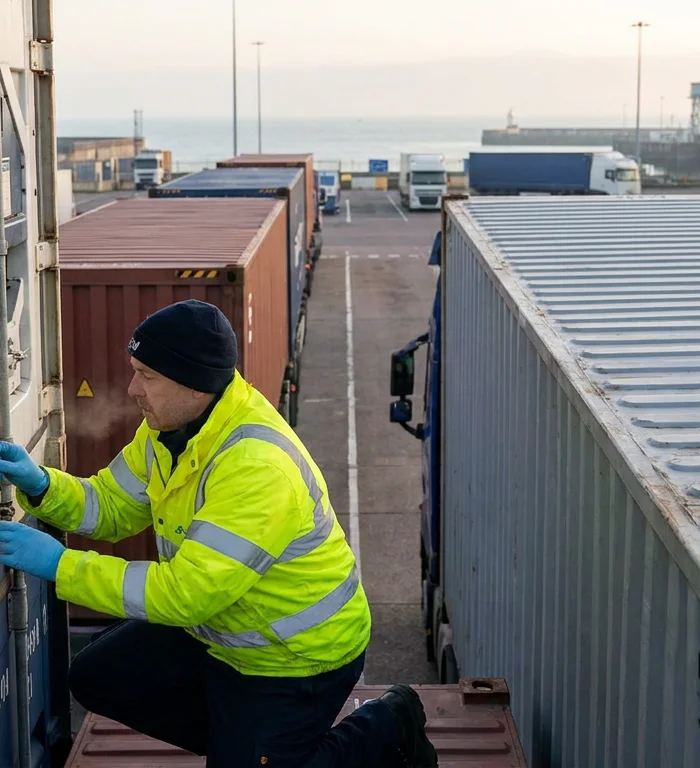
The most concrete trade measure would allow cross-border movement of animals, plants and products such as sausages or seeds without the certificates and controls now required. Britain has estimated the change could add up to £5.1 billion ($6.7 billion) a year to its economy, compared with the current post-Brexit border regime.
The two sides also agreed to link their emissions trading systems. That would exempt British and EU goods, including steel, from each other's border carbon levies, reducing one source of regulatory friction for exporters exposed to carbon pricing.
Youth route starts in 2030
Each side is set to admit 100,000 young people a year to work or study for three years. The broader agreements are due to apply from 2028, with the first young people expected to benefit from the mobility scheme by 2030, according to a joint statement.
University fees remain the main unfinished item. EU countries want their students to qualify for home-fee status at British universities, rather than the international rate, which the supplied material says is often three times as much; Britain prefers only "significantly reduced" fees, with a six-month deadline to settle the issue.
Burnham leaves membership debate open
British Prime Minister Andy Burnham called the agreement a "win-win" after the summit. He said the package was "probably the limit" of what could be achieved before the next national election, due by mid-2029, but envisaged an informal discussion with the EU in about a year on what might come next.
The political setting matters because the deal comes a decade after Britain voted to leave the bloc and after Burnham said Monday it was an "obvious truth" that Britain had lost more than it had gained from Brexit. European Commission President Ursula von der Leyen said she welcomed a broader discussion, adding: "We are open for brainstorming, and we welcome this brainstorming, so count on us."
Nigel Farage, the anti-EU campaigner and leader of Reform UK, framed the package as incremental movement back toward EU membership. Farage said he would campaign to preserve Brexit and told reporters, "I am ready for this fight," while again predicting an early election next year.
Cars face Chinese EV condition
The summit also produced an approach to the EU's "Made In Europe rules," which Britain wants to access for sectors including cars. The EU has indicated willingness to grant access only if Britain aligns with its policies restricting imports of Chinese electric vehicles, a step Britain has been reluctant to take.
Britain and the EU also agreed to work toward "diversified and resilient" supply chains in sectors such as electric vehicles and steel, with progress reviewed every four months. In areas where cooperation has been agreed, Britain would "ensure outcomes consistent with relevant EU measures" to protect sectors and prevent circumvention, the statement said.
2028 timetable leaves tests
If the 2028 implementation timetable holds, lower food-trade friction and linked carbon markets would give Britain a measurable economic channel through the government's £5.1 billion annual estimate, while exporters in food, steel and autos would gain more predictable rules. For the wider global trade picture, that path would add a limited cooperative response to pressures including Russia's invasion of Ukraine, US tariffs, China's role in critical minerals supply chains and war in Iran.
If the fee talks fail or the Chinese EV alignment question remains unresolved, the reset would stay narrower. Britain would still have food and carbon-market arrangements, but universities, carmakers and steel producers would face a more fragmented relationship with the EU, and the next political argument would shift to how much policy alignment London is willing to accept.
More stories
- Staff notice in Commission cyberattack tests EU response
- European troops in Poland drill near reported missile crash
- Brooklyn collapse kills eight as city orders site sweeps
- Massie revives Hegseth impeachment bid over war authority
- Secret Service arrests man after White House weapons find
- West Bank olive harvest attacks reach record, UN reports
Latest news
- Fidelity bars Anthropic IPO flippers for six months
- Paul seeks 20%-30% federal credit for U.S. film shoots
- Liberia seeks bigger US exports as AGOA runs to 2028
- SAF-RSF fighting worsens 10-year oil pollution crisis, groups say
- Rwanda women-owned exports fall 51% from 2021 peak
- Strictly expands stage for 8 couples in Blackpool return
- Spain opens 200m-voter test for Europe's right
- Saudi event season faces EASA airspace warning to Jan. 31