Kalshi Wager Case Costs Santos $35,000 and a Trading Ban
George Santos settled CFTC allegations over a Kalshi wager, agreeing to repay gains, pay a penalty and accept a three-year trading ban.
Lauren Collins ·
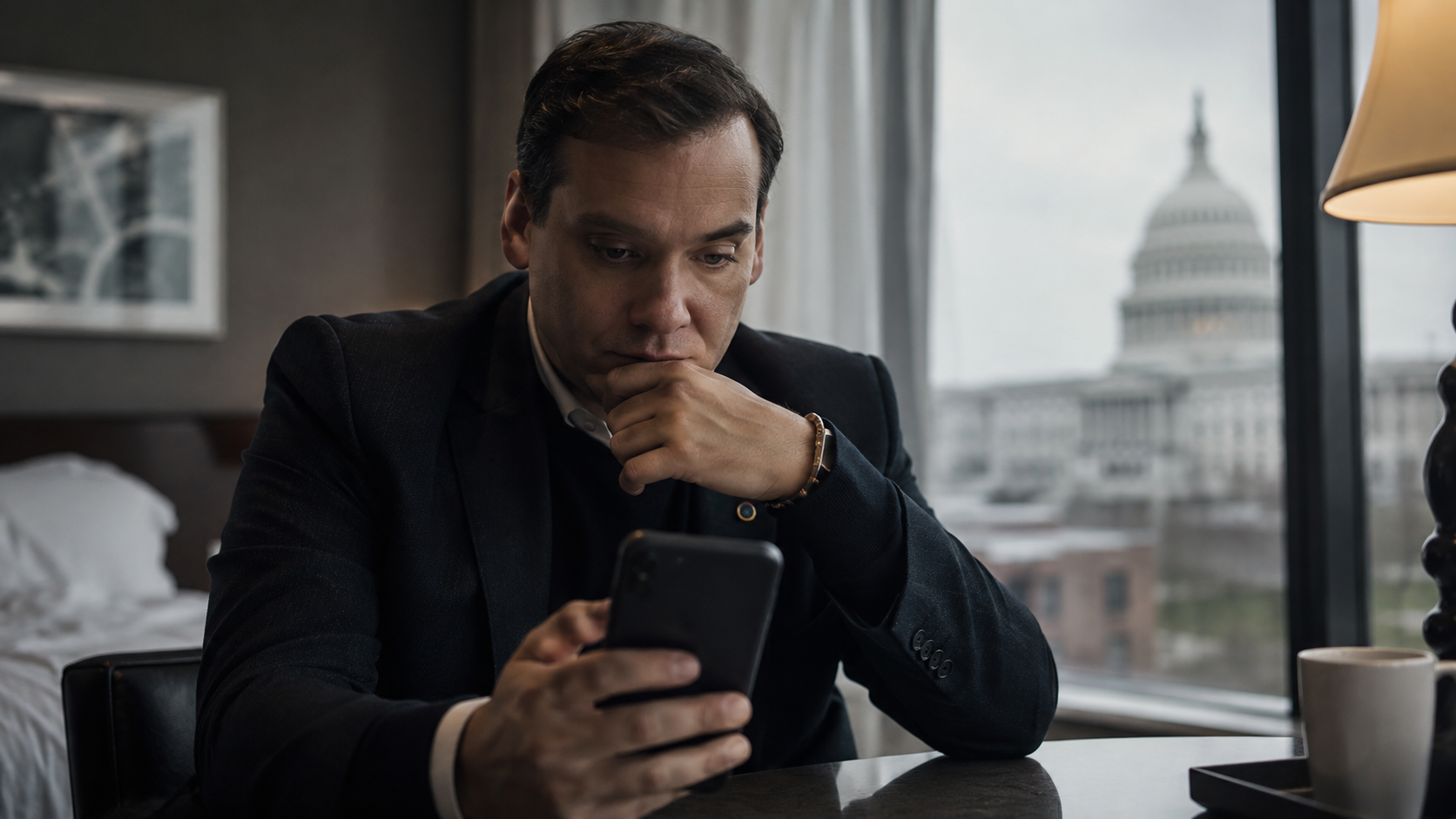
Kalshi wager allegations against George Santos ended in a CFTC settlement exceeding $35,000 and a three-year trading ban.
The Commodity Futures Trading Commission said Friday that Santos agreed to return more than $17,500 in alleged trading gains and pay a separate $17,500 civil penalty. He settled the matter without admitting to the agency’s allegations.
The case centers on a political event contract tied to whether Santos would attend the 2026 State of the Union. For Kalshi, the matter puts a high-profile name on a basic market integrity question: whether people can trade on outcomes they may influence through their own statements or conduct.
CFTC order targets attendance posts
The agency said Santos made material misrepresentations and omissions in social-media posts about whether he would attend the presidential address. Those alleged statements became important because Kalshi users were wagering in February on who would appear at the event.
Santos had posted that he was “going to be there,” according to the account cited by the CFTC. He later did not attend and wrote in another post that watching the speech from an airport television “was not part of the plan.”
The settlement does not require Santos to accept the CFTC’s version of events. It does, however, impose three concrete costs: disgorgement of alleged gains, a monetary penalty of the same size, and a ban on trading for three years.
Airport post changed the trade
The unusual feature of the case is that the event was not a corporate earnings release or a commodity price move. It was a public appearance by a named person, and the alleged conduct involved statements about that person’s own plans.
Prediction markets convert questions about future events into contracts that rise or fall as traders reassess probabilities. When the subject of a contract is also a person who can shape the outcome, regulators face a cleaner fact pattern for testing disclosure and manipulation rules.
Kalshi was not accused in the source text of wrongdoing tied to the settlement. The company’s relevance is structural: its platform hosted the market, and its political-event products depend on users believing that prices reflect contestable information rather than engineered signals.
Event markets meet enforcement risk
The CFTC’s action gives political prediction markets a sharper compliance problem than ordinary product expansion. Markets tied to public figures can generate attention, but attention also attracts users who may possess private knowledge or direct control over the result.
For the wider sector, the settlement may become a reference point for how agencies view speech that moves event-contract prices. A social post can be market-relevant when traders are wagering on the speaker’s future behavior.
The global macro effect is limited by the small dollar amount and the narrow contract at issue. The broader importance sits in market plumbing: if event contracts are to expand, regulators and platforms need credible safeguards against self-referential trading.
Three paths for Kalshi rules
If enforcement remains focused on clear cases involving a trader’s own conduct, the macro impact should stay modest while Kalshi can adapt through stronger surveillance and user restrictions. The industry would get a clearer boundary: public figures should not use ambiguous statements to profit from markets about themselves.
If the CFTC reads the case more broadly, Kalshi and similar venues could face higher compliance costs, slower contract approvals and tighter controls around political markets. That would not move global growth or inflation by itself, but it could limit the sector’s ability to become a deeper information market.
If political-event contracts keep drawing users despite tougher oversight, Kalshi could benefit from being seen as a regulated venue rather than a loose betting forum. The open questions are specific: how platforms identify conflicted traders, how quickly they act on misleading public statements, and whether future settlements deter repeat conduct.