Global Warming Nears 1.8 Degrees, Urgent Shift to Short-Term Cooling Measures Needed
As global temperatures exceed the 1.5 degree threshold, policy must shift from general mitigation to prioritized, near-term interventions to limit the…
Lauren Collins ·
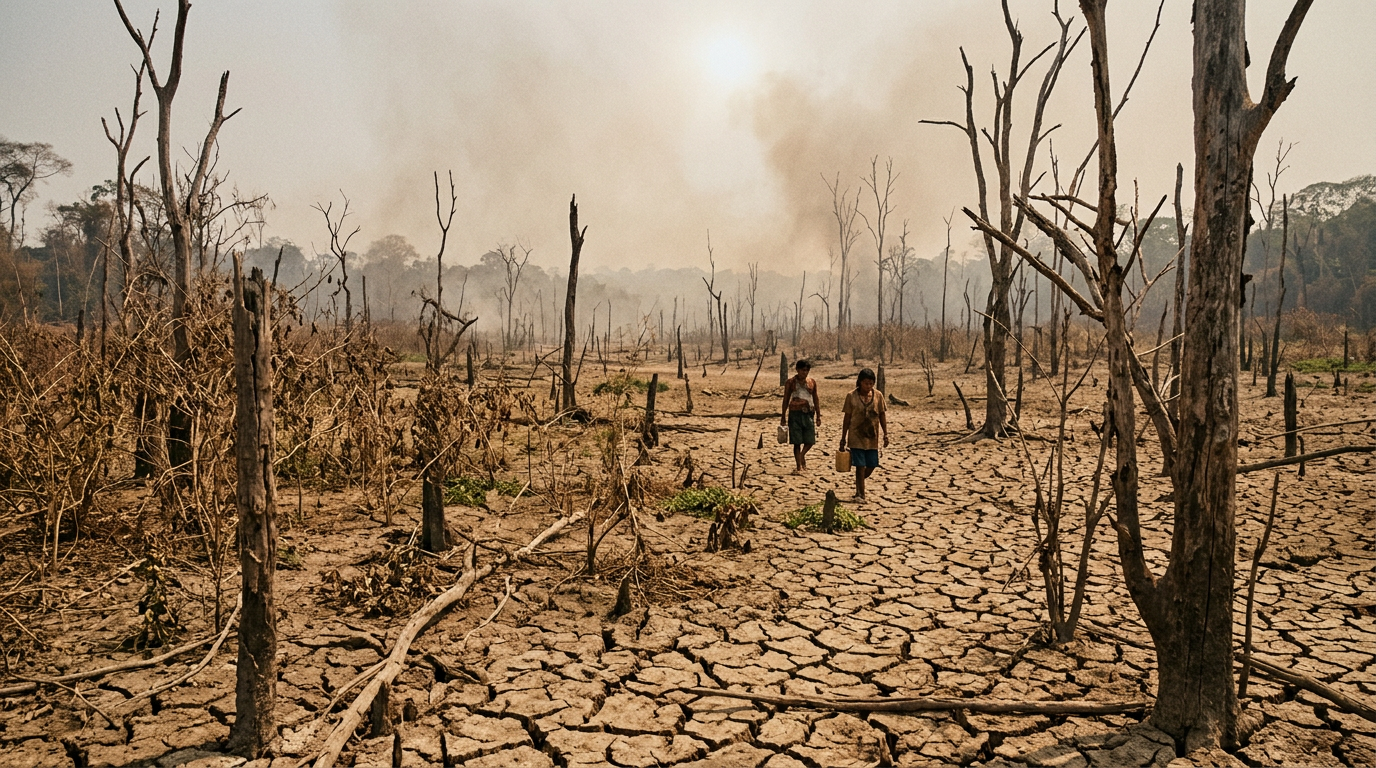
Global warming will soon exceed the 1.5 degrees Celsius threshold established by the 2015 Paris Agreement, with projections indicating a peak near 1.8 degrees. This anticipated overshoot necessitates a strategic shift from broad mitigation efforts to targeted interventions aimed at limiting the magnitude and duration of temperature increases.
Failure to contain this peak temperature heightens the risk of irreversible damage to critical climate systems, including the West Antarctic ice sheet and the Amazon rainforest.
Immediate Actions for Temperature Management
Policy focus must prioritize immediate, high-impact actions to manage this overshoot period. Prioritizing the reduction of short-lived super pollutants, such as methane, offers the fastest cooling gains. Halting tropical deforestation also functions as an emergency brake, providing immediate results without the long lead times associated with replacing fossil fuel infrastructure.
This approach diverges from the long-term transition to This approach diverges from the long-term transition to clean energy, which, while essential for the century, is insufficient to address the immediate risks of the coming decades. Future climate governance must distinguish between long-term carbon dioxide mitigation and near-term temperature management. Institutional strategies should now prioritize rapid-response interventions to prevent the climate system from reaching critical, non-recoverable thresholds.
Critical Thresholds and Unrecoverable Damage
The height of the temperature peak matters significantly, as certain parts of the climate system may fail abruptly beyond specific thresholds. An irreversible retreat of the West Antarctic ice sheet, a slowdown in Atlantic circulation, or the Amazon shifting from rainforest to a drier environment all present dire implications.
How long temperatures remain above 1.5 degrees also plays a critical role, as a system can survive a brief excursion but may fail under sustained pressure. Every additional decade above 1.5 degrees increases pressure on systems that may not recover.