Brazil’s Wind Power Expansion Faces Legal Challenges from Local Landholders
Legal challenges and social unrest in Brazil’s wind energy sector highlight significant regulatory gaps and risks to the nation's green energy expansion strategy.
Lauren Collins ·
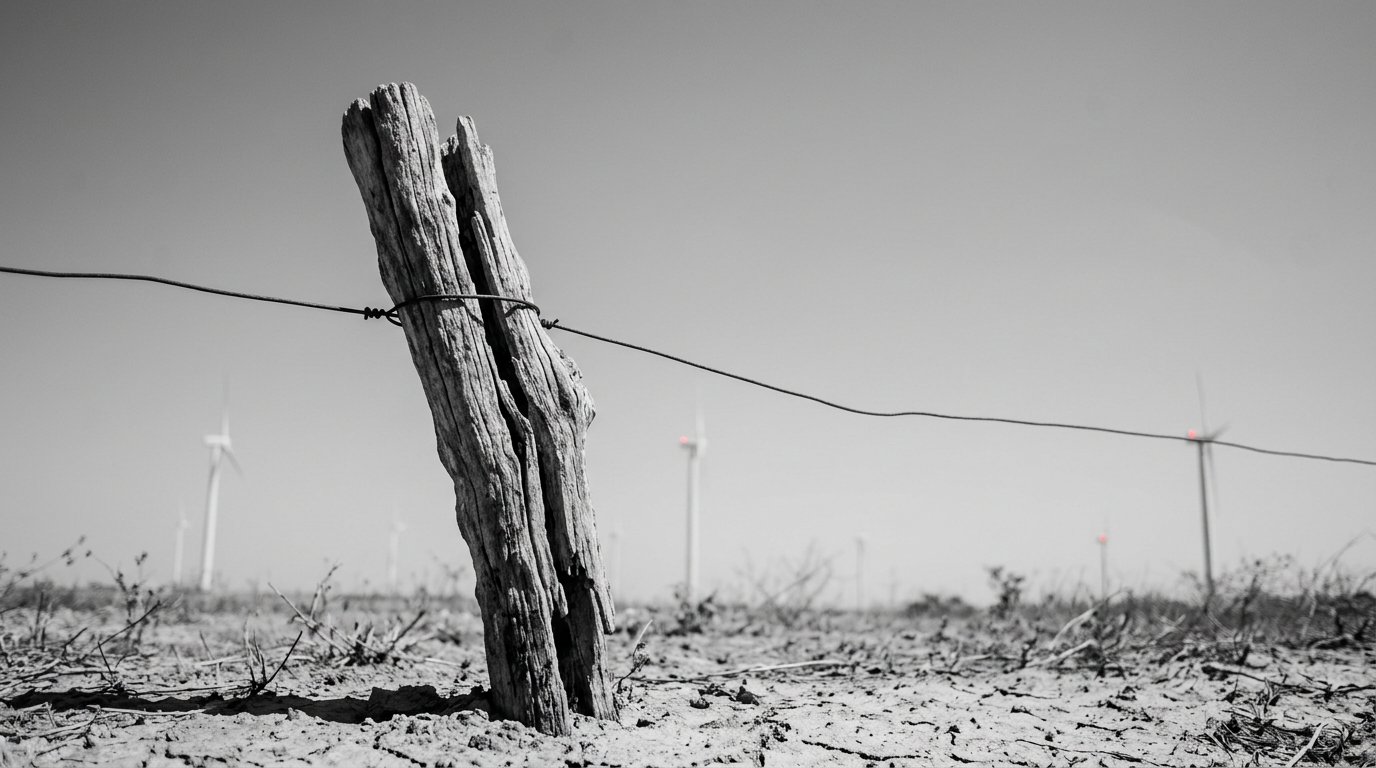
Brazil, home to the world's fifth-largest onshore wind capacity, faces increasing legal and social challenges stemming from its renewable energy expansion in the northeast region. Local landholders have initiated public civil litigation against multinational energy operators, citing breach of contract and restricted land use.
These disputes center on the discrepancy between promised lease payments and the actual loss of agricultural productivity on leased plots. One farmer, Antonio de Souza, stated that four hectares of his 50-hectare plot became wasteland due to infrastructure, despite a contract specifying one hectare. He initially signed a contract for monthly payments of 3,000 to 5,000 reais (approximately £430-£720), adjusted annually.
Local Communities Face Disruptions
José Cristino da Cruz is among those involved
Operational data indicates that energy generated in these regions is primarily exported to industrial centers, while local municipalities report rising costs for domestic electricity. José Cristino da Cruz is among those involved in a community-led lawsuit against Voltalia, a French renewable energy multinational, filed in May 2025.
Public health data suggests a correlation between the density of wind installations and an increase in reported anxiety, sleep disorders, and hearing issues among local populations. These issues contribute to widespread discontent in a region already marked by some of Brazil's worst social indicators.
Regulatory Gaps Heighten Tensions
Brazil's president
The absence of federal regulations governing minimum distance requirements between turbines and residential areas has exacerbated these tensions. Brazil's president, Luiz Inácio Lula da Silva, expressed an ambition in November 2023 to make the nation the "Saudi Arabia of green energy" within a decade, a goal potentially undermined by these unresolved issues.
This regulatory gap poses a material risk to the social license of renewable energy projects and may lead to prolonged litigation, potentially impacting the long-term stability of the nation's green energy transition strategy. The challenges highlight a broader tension between national green energy ambitions and local community impacts.