

Ministry of justice seeks to double prison cell occupancy for 476 new spaces
The Ministry of Justice may double occupancy in temporary prison cells, risking safety standards and potential staff industrial action.
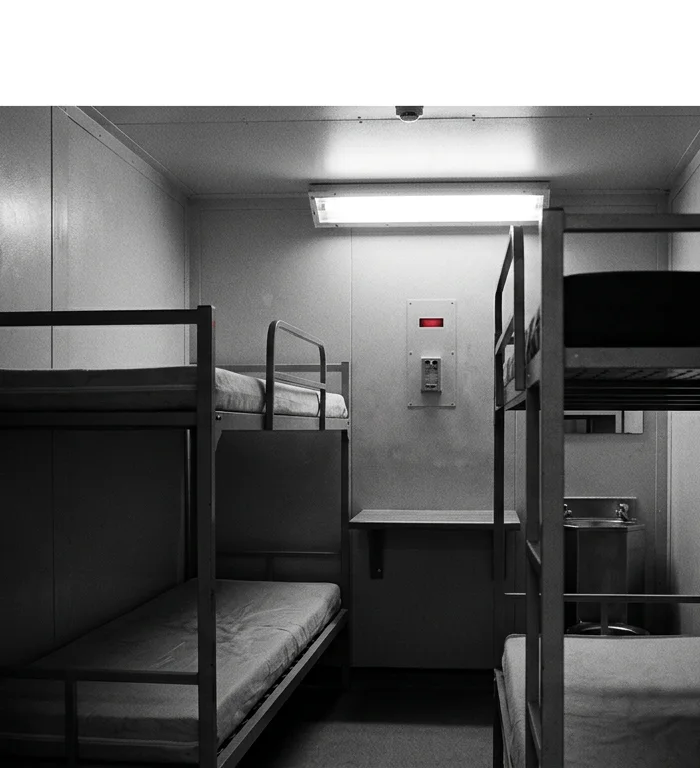
The Ministry of Justice is evaluating plans to install second beds in prefabricated rapid deployment cells across ten Category C prisons in England and Wales. This initiative aims to increase total prison capacity by 476 spaces to address ongoing population growth and capacity shortfalls.
Concerns Over Safety and Security Standards Internal assessments indicate that these modifications would exceed established operational capacity and safe occupancy limits. Prison governors and staff representatives have raised significant concerns regarding the potential for increased violence, compromised security, and breaches of health and safety regulations. Mark Fairhurst, national chair of the Prison Officers Association, indicated that such capacity breaches could prompt industrial action by his members. Tom Wheatley, president of the Prison Governors Association, emphasized the need for a full risk assessment for each prison, noting that rapid deployment cells are among the least secure accommodations within the prison estate. Operational Risks and Government Stance Operational risks include potential industrial action by prison staff citing safety concerns, as well as a degradation of security standards in units originally designed for single occupancy. These units, typically 2.9 meters by 3.4 meters, include a bed, toilet, and shower, and were initially deployed as a temporary measure for past overcrowding. While the government maintains that these measures are necessary to ensure space for dangerous offenders, critics argue the move undermines the stability of the current prison estate. No final decision has been reached, and individual risk assessments remain pending for each affected facility. Undermining Prison Stability
The Ministry
The proposal would affect prisons including Wayland, Littlehey, Erlestoke, and Rochester. The projected increase of 476 spaces would contribute to the overall prison estate, which has been grappling with ongoing population growth and capacity shortfalls.
The Howard League for Penal Reform's chief executive, Andrea Coomber, characterized the proposal as an act of desperation. Rapid deployment cells themselves were originally conceived as short-term responses to overcrowding issues.
More stories
- ICE arrests at Seattle airport draw protests and scrutiny
- EU rejects COP31 deal as fossil fuel divisions block pact
- Staff notice in Commission cyberattack tests EU response
- Britain-EU deal eases food checks and youth travel rules
- European troops in Poland drill near reported missile crash
- Brooklyn collapse kills eight as city orders site sweeps
- Trump midterm convention draws candidates to GOP push
- Guyana deportees arrive as US third-country deal starts
Latest news
- CIA hack affects unclassified data; scope remains unclear
- Eisenkot secures first coalition deal but lacks majority
- Trump prepares tariffs on China and other major exporters
- New-car buyers pay record average $50,087 in October
- Banks face ECB reserve debate over liquidity and profits
- Investors see Anthropic debut gains fade below $83 a share
- Iraq orders federal control over Kurdish-area oilfields
- Germans oppose Ukraine aid as poll shows support slipping