Turkey Shifts Focus Away from European Union Membership Bid
President Erdogan stated that EU accession is no longer a priority for Ankara, while outlining new regional defense and security strategies.
Atlas Newsdesk ·
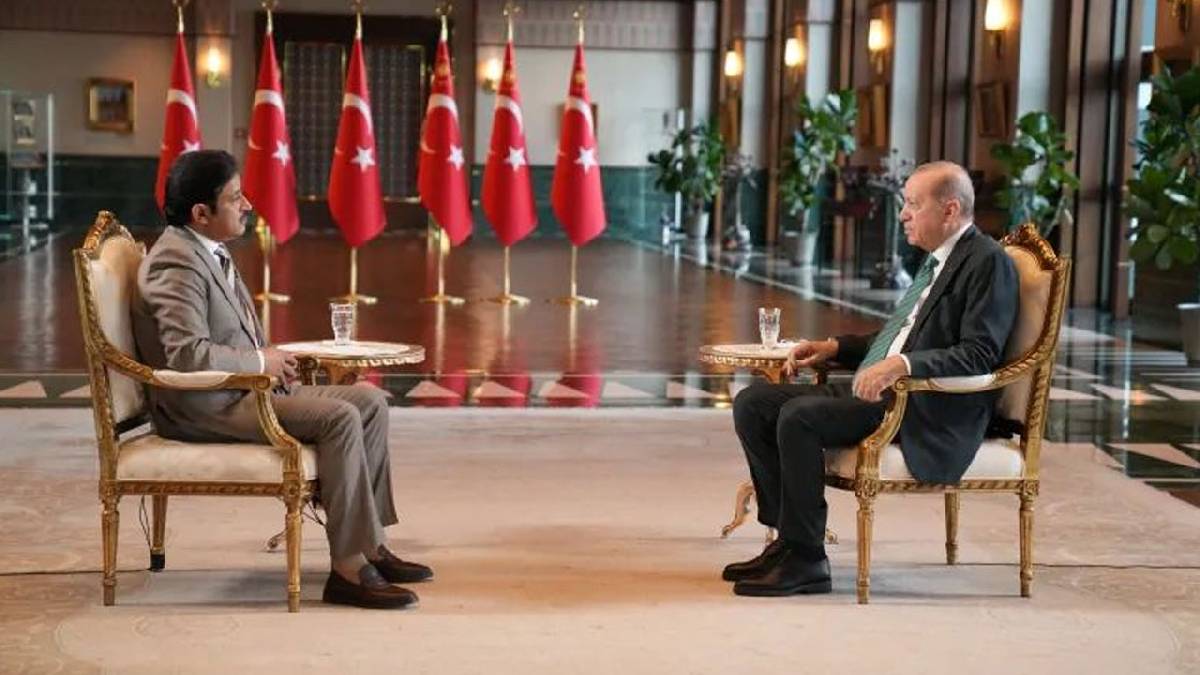
Reassessing the European Path
Recent remarks from President Recep Tayyip Erdogan suggest a significant pivot in Turkey’s long-standing diplomatic objectives. The leader indicated that seeking full membership in the European Union has been removed from the nation's primary agenda, asserting that the bloc has shown little genuine interest in integrating Turkey.
According to official statements, the responsibility for this stalled progress lies with European leadership. While this does not signal a total severance of ties, it reflects a transition toward a more transactional relationship focused on specific areas like trade, migration, and regional security rather than institutional integration.
Expanding Regional Defense Cooperation
Beyond the European context, the administration is exploring broader security frameworks. Reports indicate that Egypt could potentially join a defense partnership currently involving Turkey, Saudi Arabia, and Pakistan. This move highlights Ankara’s desire to cultivate a more robust security architecture across the Middle East and South Asia.
Such an expansion could facilitate deeper collaboration in military technology and joint training exercises. However, officials provided no specific timeline or formal conditions regarding Egypt’s potential inclusion, leaving the proposal as a diplomatic possibility rather than a finalized agreement.
Navigating Global Security Challenges
The president’s commentary also touched upon several volatile geopolitical issues, including the stability of the Strait of Hormuz and ongoing conflicts in Syria, Gaza, and Lebanon. These areas remain central to Turkey’s foreign policy, as the nation attempts to balance its interests between Western allies and regional neighbors.
Furthermore, the status of the F-35 fighter jet program remains a critical component of Ankara’s defense dialogue with Washington. By grouping these security concerns with the EU discussion, the administration is signaling that its strategic calculations are shifting toward immediate regional stability rather than long-term European alignment.
Implications and Uncertainties
The primary implication of this shift is a more fragmented approach to international relations, where Turkey prioritizes flexible, issue-based coalitions over rigid multilateral structures. This strategy allows for greater autonomy but carries the risk of increased isolation from traditional Western political frameworks.
Uncertainty remains regarding how these new defense alignments will be received by global powers and whether the proposed cooperation will yield tangible results. Future developments will depend heavily on the evolution of the F-35 negotiations and the willingness of regional partners to formalize security commitments.