

Spanish Housing Crisis Triggers Nationwide Strikes and Snap Election
Spain faces a severe housing shortage and nationwide protests, prompting a snap election on November 29 as the government struggles to address rising costs…
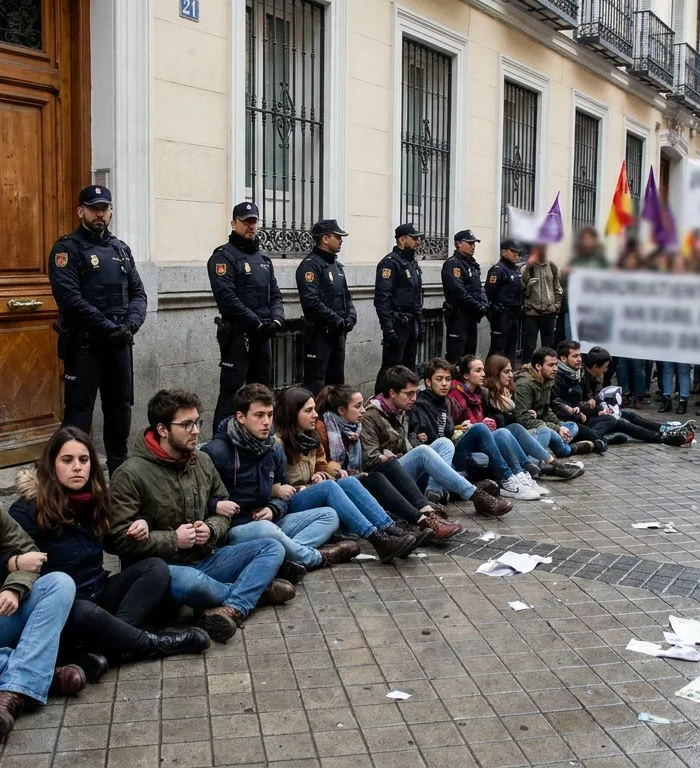
Spain is currently experiencing widespread civil unrest driven by an acute housing shortage and rising rental costs. Tens of thousands of citizens, primarily young professionals, have participated in nationwide strikes and protests to demand systemic policy reform. The movement gained significant momentum following the high-profile eviction of an elderly resident in Madrid, which intensified public scrutiny of corporate landlord practices and tenant protections.
Economic data from the Bank of Spain indicates a current deficit of 750,000 housing units, a figure projected to reach 1 million by next year. This supply-demand imbalance has forced a significant portion of the population to remain in parental homes well into their thirties or allocate a disproportionate share of their income toward rent. Protesters are specifically calling for the implementation of indefinite rental contracts and an expansion of social housing initiatives.
In response to the escalating social pressure and The political landscape has been destabilized by the failure of the current left-wing coalition government to pass emergency housing decrees through parliament, which were blocked by opposition parties. In response to the escalating social pressure and declining poll numbers, Prime Minister Pedro Sanchez has called for a snap election on November 29. The outcome of this vote is expected to hinge on the government’s ability to address the housing crisis, which has become the primary point of contention between the ruling coalition and the conservative opposition.
Institutional risks remain elevated as the housing shortage continues to exacerbate wealth inequality and social fragmentation. Financial professionals should monitor the upcoming election results, as a shift in governance could lead to significant changes in property regulations, rent control measures, and public investment in residential infrastructure. The persistence of these protests suggests that housing policy will remain a volatile and central issue for the incoming administration, regardless of the electoral outcome.
More stories
- Germans oppose Ukraine aid as poll shows support slipping
- Kim Jong-un receives 10 envoys after constitutional shift
- Ukraine claims Libya strike sinks Russian naval corvette
- COP31 climate talks collapse over fossil fuels and funds
- Russian military faces 1,087 recorded suicides in Ukraine war
- US faces China, Russia in Africa minerals contest
- Bundeswehr faces misconduct gap as few as one-sixth reported
- Megaspeed’s 2024 affiliate filings widen Nvidia chip scrutiny
- Iran faces renewed strikes after IRGC's 100% readiness claim
- Kallas urges UK to deepen EU defence ties before Nov. 20 summit
Latest news
- Trump prepares tariffs on China and other major exporters
- New-car buyers pay record average $50,087 in October
- Banks face ECB reserve debate over liquidity and profits
- Investors see Anthropic debut gains fade below $83 a share
- Iraq orders federal control over Kurdish-area oilfields
- Nvidia shares retreat as AI rally cools before PCE data
- Macy’s parade faces balloon limits as storm winds approach