

Kallas urges UK to deepen EU defence ties before Nov. 20 summit
The EU and Britain want closer security cooperation, but Brussels is steering talks toward existing frameworks rather than reopening membership negotiations.
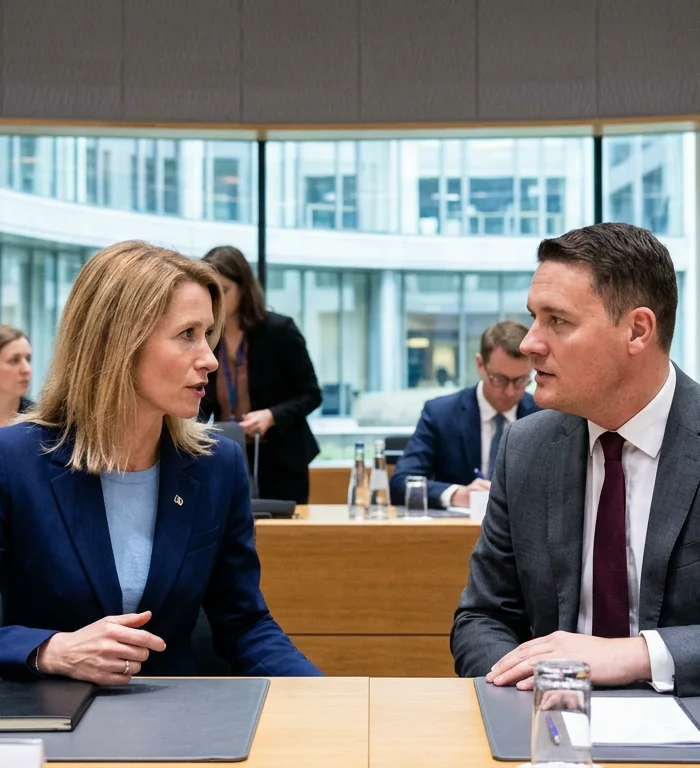
EU foreign policy chief Kaja Kallas on Monday urged Britain to work through existing EU defence frameworks before a Nov. 20 summit, a Euronews article published Nov. 2 reported.
The position matters because Britain stayed out of the EU’s €150 billion SAFE defence loan scheme last year after an estimated €4 billion to €6 billion entry-fee dispute, equal to about 2.7% to 4% of the scheme, according to Atlas360 calculations.
Kallas spoke during a meeting with UK Defence Secretary Wes Streeting as both sides prepared for talks on closer security cooperation. Streeting also met EU Defence Commissioner Andrius Kubilius and was due to meet German Defence Minister Boris Pistorius later Monday in Berlin, Euronews reported.
Kallas said Brexit still shapes how Brussels views a deeper relationship with Britain. “It's up to what UK people and a negotiated agreement – there's a lot of traumatised people in Brussels over Brexit,” she said.
“These negotiations will be difficult, and we are not there yet,” Kallas added. “What I think is important is we want to have deeper relationship because you are very close, and we are stronger together but let's move step by step.”
Brexit scars in Brussels
Streeting said Britain remained committed to exploring closer defence cooperation with the bloc despite opting out of SAFE, the EU’s Security Action for Europe defence loan scheme. Euronews reported that London declined to join after failing to reach terms with Brussels on the entry fee, which UK government sources said at the time did not represent value for money.
The dispute gives the Nov. 20 summit a practical test: whether London and Brussels can agree on defence links without reopening the larger question of EU membership. Kallas’s comments point to a staged approach, starting with available EU tools rather than a formal accession debate.
Prime Minister Andy Burnham has pledged to rebuild relations with the EU through cooperation on trade, education, energy and defence, Euronews reported. He has also refused to exclude talks on a possible return to full membership, while Atlas360 reported Oct. 26 that he was open to discussing free movement with Brussels before the November summit.
Streeting cautioned against moving too quickly on the membership question but praised Burnham for beginning what he called a “courageous conversation with the European Commission, member states as well as the British people”. He added: “There's no doubt leaving the EU hit our economy and we're not as strong as we might have been.”
Euronews reported that Brussels is willing to consider deeper integration with Britain, and potentially talks on Britain’s return, but that reopening membership negotiations would be lengthy and politically divisive. The article cited divisions in British society over Brexit and the burdensome experience of the previous negotiations for Europeans.
Defence agenda widens
The meetings also covered Russia’s continued aggression across Europe, hybrid attacks and Europe’s role in military support for Ukraine, according to Euronews. Those issues place UK-EU defence ties inside a broader debate over how Europe finances and produces military capability.
Streeting said Europe needed to expand defence industrial capacity, while warning against protectionism. His comments were aimed in part at the EU’s proposed “Made in Europe” industrial drive, which seeks to prioritise European manufacturers in sectors including defence.
Britain is outside that initiative because it is no longer in the EU single market. “We need to be careful” that the Made in Europe push “doesn't spread into self-defeating protectionism”, Streeting said.
Summit points to watch
On Nov. 20, the first checkable item is whether the EU-UK summit directs Britain toward existing EU defence frameworks, as Kallas urged, or leaves cooperation at the level of general intent.
On Nov. 20, the summit language will show whether SAFE, the €150 billion defence loan scheme Britain declined to join last year, returns as a practical route for cooperation or remains outside the reset.
On Nov. 20, any reference to trade, education, energy and defence will indicate how far Burnham’s wider pledge to rebuild EU ties moves beyond defence talks.
Source: news article, Euronews, Nov. 2, 2026
More stories
- Budi seeks WHO dues above 50% to steady funding
- Japan weighs defense plan worth up to $508bn, sources say
- Midvaal transformer failure leaves 116 homes without power
- Canada seeks EU carbon-tax relief as energy ties deepen
- Johor-Singapore SEZ draws projects tied to 28,755 jobs
- Nigeria state police plan wins 30 assembly endorsements
- Ukraine rail attacks expose Dnipro passenger safety risks
- Pyongyang rejects sanctions push on labor, military ties
Latest news
- Major Drilling adds 8 dewatering rigs with Bunbury deal
- CD&R and GTCR seek $40bn Global Payments buyout
- Robert Greene frames sublime access as attention practice on Huberman Lab
- PPHC buys Reevemark for up to $80m
- The week ahead for the markets
- The week ahead for the markets
- AI funding reset puts OpenAI valuation targets in focus