

Houthi missile program integrates Chinese components for precision strikes
The Yemeni group is reportedly incorporating advanced dual-use technology into ballistic arsenals, complicating regional security and ceasefire efforts.
Advanced technical shift
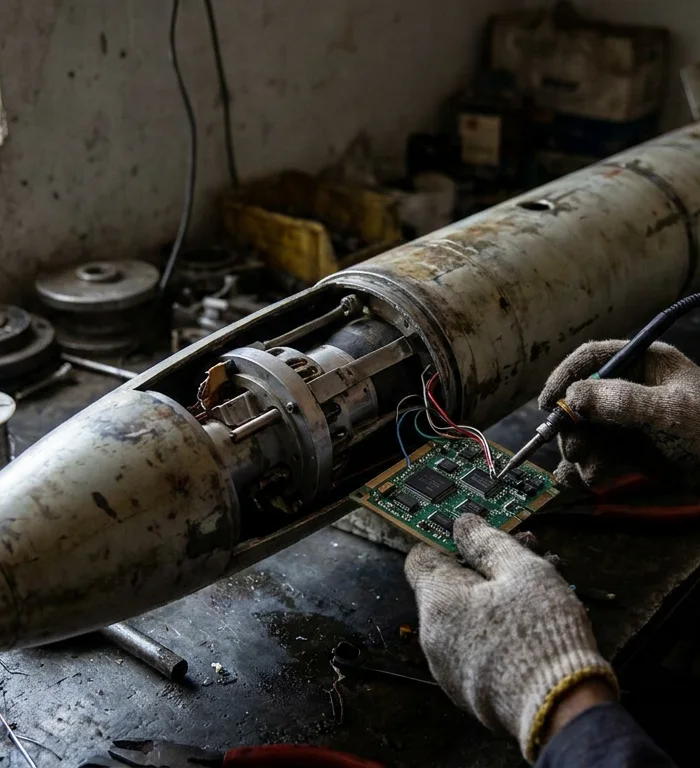
Houthi forces have reportedly begun integrating sophisticated, dual-use components of Chinese origin into their long-range ballistic missile systems. Intelligence assessments cited by regional security analysts indicate these parts include advanced sensors and guidance processors that significantly increase the accuracy of the group’s existing munitions.
These upgrades represent a technical evolution from earlier iterations, which relied heavily on modified Iranian-origin systems. The integration of high-end guidance technology allows the group to target critical infrastructure with greater reliability than previously documented by UN arms monitors.
Ceasefire under pressure
Arabian Sea
The development risks undermining the tenuous backchannel negotiations that have maintained a de facto ceasefire between the Houthis and the Saudi-led coalition since late 2022. While the 2022-2024 Saudi-Yemen talks focused on formalizing a permanent end to hostilities, the advancement of these missile capabilities suggests a move to maintain a credible offensive deterrent despite active diplomacy. Historically, Houthi supply chains have relied on smuggling routes traversing the Horn of Africa and the Arabian Sea. Security experts have previously linked these routes to Iranian technology transfers, but the addition of components with broader global commercial applications introduces a new layer of complexity to enforcement efforts by the UN and its member states. Regional infrastructure risks The strategic reach of these improved munitions encompasses key energy facilities across the Arabian Peninsula, including major oil refineries and desalination plants. Analysts note that precision-guided capabilities turn even low-volume launches into disproportionate threats to Gulf energy infrastructure and international shipping lanes near the Bab al-Mandab.
This technical refinement shifts the cost-benefit analysis for This technical refinement shifts the cost-benefit analysis for regional powers, as the capacity to conduct surgical strikes against critical infrastructure could force a change in defensive posture. The resulting tension threatens to disrupt regional trade and complicate the fragile domestic political transitions within the Gulf states.
Security outlook
The primary uncertainty remains how Saudi Arabia will address these violations within international forums. Observers are watching for a formal Saudi diplomatic response to the UN Security Council regarding potential arms embargo breaches, which would signal a shift toward renewed confrontation or a calculated preference for quiet containment.
More stories
- Germans oppose Ukraine aid as poll shows support slipping
- Kim Jong-un receives 10 envoys after constitutional shift
- Ukraine claims Libya strike sinks Russian naval corvette
- COP31 climate talks collapse over fossil fuels and funds
- Russian military faces 1,087 recorded suicides in Ukraine war
- US faces China, Russia in Africa minerals contest
- Wolfspeed faces dilution risk in $1.5bn Pentagon loan
- Iran targets Starlink with jail terms of up to 5 years
- Patriot missiles plan advances before Ukraine winter strikes
- Saudi Arabia energy sites halt work after Houthi attacks
Latest news
- Trump prepares tariffs on China and other major exporters
- New-car buyers pay record average $50,087 in October
- Banks face ECB reserve debate over liquidity and profits
- Investors see Anthropic debut gains fade below $83 a share
- Iraq orders federal control over Kurdish-area oilfields
- Nvidia shares retreat as AI rally cools before PCE data
- Macy’s parade faces balloon limits as storm winds approach