

Houthi ballistic missile targets Riyadh as regional de-escalation falters
The strike on the Saudi capital threatens the Kingdom’s economic stability and tests the limits of recent diplomatic normalization efforts.
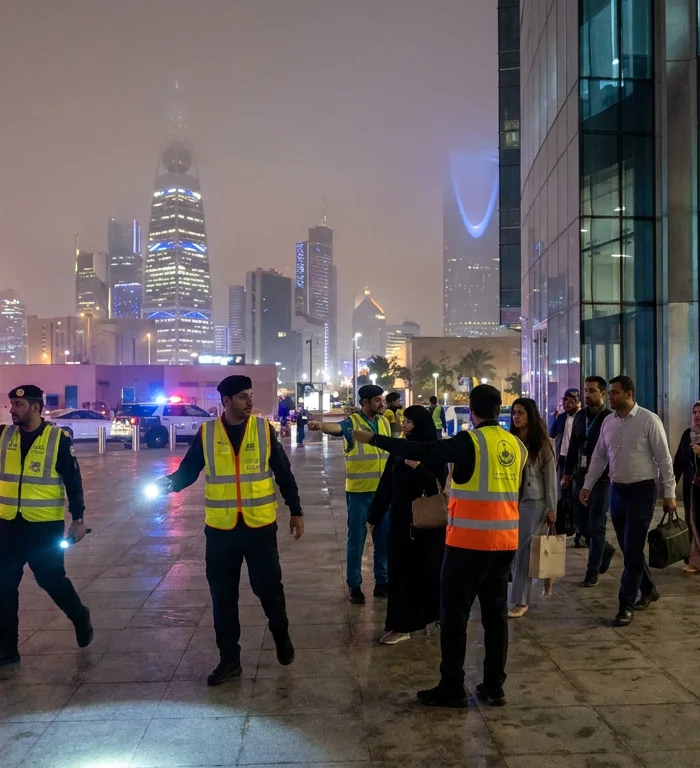
Direct strike challenges Riyadh's security
Houthi forces fired a ballistic missile toward Riyadh, according to reports from the Saudi capital on October 25, 2026. The launch prompted emergency alerts for residents to seek shelter as explosions were heard across the city.
The incident represents a significant breach of the relative calm maintained between the Saudi-led coalition and the Houthi movement over the past two years. The missile trajectory and the activation of defense protocols underscore the persistent risk to Saudi population centers and infrastructure.
Diplomatic backchannels under pressure
This escalation complicates the fragile informal truce that This escalation complicates the fragile informal truce that had been facilitated through backchannel negotiations mediated by Oman and China since 2023. These talks had aimed to freeze major hostilities and transition toward a sustainable political framework, marking a departure from the intense military engagement that defined the earlier years of the conflict. The attack also tests the durability of the 2023 normalization agreement between Saudi Arabia and Iran. Riyadh has historically viewed Houthi military capabilities as an extension of Iranian strategic assets, and any sustained campaign of cross-border strikes will force a re-evaluation of Tehran's commitment to regional stability. Economic exposure of Vision 2030 The primary concern for Saudi officials is the threat posed to Vision 2030, the Kingdom's expansive economic program. Instability of this nature directly impacts foreign direct investment and threatens the nascent tourism industry, which relies on a perception of security for long-term project viability.
Global markets remain sensitive to any disruption in Global markets remain sensitive to any disruption in the Red Sea shipping corridor, which connects to the Bab al-Mandab Strait. While the missile targeted the inland capital, any broadening of the conflict could jeopardize energy exports and increase shipping insurance premiums throughout the region.
Security response and future risks
The Saudi Ministry of Defense is expected to release formal engagement logs regarding the interception of the projectile. The main open question is whether the Kingdom chooses to respond with a localized air strike on Houthi logistics nodes or if it will seek to contain the incident to avoid a broader return to total war.
If the Saudi government determines the attack represents a deliberate shift in Houthi operational strategy, the resulting military reprisal will likely re-orient Riyadh toward regional defense over economic development. Conversely, if the incident is determined to be a tactical outlier, the Kingdom may prioritize quiet diplomacy to preserve its current internal investment climate.
More stories
- Germans oppose Ukraine aid as poll shows support slipping
- Kim Jong-un receives 10 envoys after constitutional shift
- Ukraine claims Libya strike sinks Russian naval corvette
- COP31 climate talks collapse over fossil fuels and funds
- Russian military faces 1,087 recorded suicides in Ukraine war
- US faces China, Russia in Africa minerals contest
- Thai minister sees progress after Suu Kyi's first family call in over 5 years
- Batangas State's 23 new doctors face rural service requirement
- FCA whistleblower handling review puts new board in focus
- Drones shape NATO plan for Russian eastern-flank threat
Latest news
- Trump prepares tariffs on China and other major exporters
- New-car buyers pay record average $50,087 in October
- Banks face ECB reserve debate over liquidity and profits
- Investors see Anthropic debut gains fade below $83 a share
- Iraq orders federal control over Kurdish-area oilfields
- Nvidia shares retreat as AI rally cools before PCE data
- Macy’s parade faces balloon limits as storm winds approach