

Rising H5N1 Infections in Domestic Cats Prompt Public Health Oversight
The detection of H5N1 in domestic cats, linked to raw food diets and unpasteurized milk, has prompted new FDA safety requirements and public health warnings…
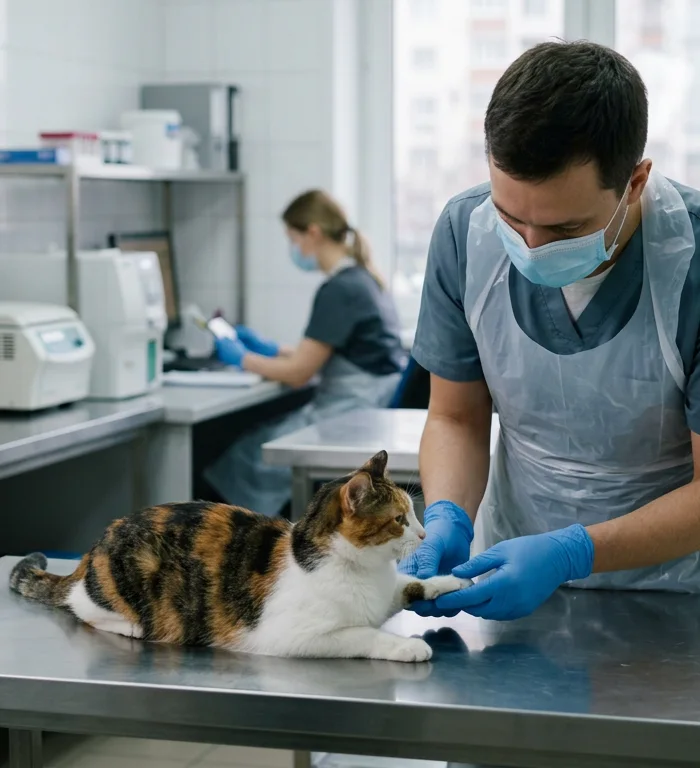
The H5N1 avian influenza virus has been identified in over 80 domestic cats since 2022, with recent cases involving strictly indoor animals. While the virus has not yet demonstrated efficient human-to-human transmission, the potential for zoonotic spillover from companion animals remains a documented public health concern. Transmission to cats has been linked primarily to the consumption of raw food diets and unpasteurized dairy products, as well as contact with infected wildlife.
Regulatory bodies are responding to these risks by tightening safety protocols within the pet food industry. The Food and Drug Administration has mandated that pet food manufacturers update safety plans to mitigate H5N1 contamination. These measures follow confirmed instances where raw, frozen pet food products tested positive for the virus, resulting in voluntary product recalls.
Public health agencies and veterinary associations have issued guidance advising against raw food diets for pets to prevent the spread of H5N1 and other foodborne pathogens. Veterinarians emphasize that while the risk of cat-to-human transmission is currently considered low, it is not zero. Clinical symptoms of H5N1 in cats, including neurological distress and respiratory issues, can mimic other fatal diseases like rabies, complicating diagnostic efforts and necessitating strict veterinary oversight.
Institutional risk management now requires increased scrutiny of supply chains for raw pet food products and enhanced public awareness regarding household pet management. Experts recommend that owners restrict unsupervised outdoor access for cats and prioritize commercially processed pet foods, which undergo heat treatments sufficient to neutralize the virus. Continued monitoring of H5N1 mutations remains essential, as the virus's ability to infect diverse host species presents a persistent challenge to long-term pandemic preparedness.
More stories
- Dietitians advise small swaps for plant-based eating
- TikTok dementia videos mislead in 66.4% of sample, researchers say
- Aberdeen Royal Infirmary faces police inquiry call over 19 deaths
- Bariatric surgery group loses 28.2% after GLP-1 use
- TOFA boosts mouse energy use 18% while preserving muscle
- ICO probes NHS therapy notes accessible to up to 140,000 staff
- NIH-funded researchers map basal ganglia at single-cell resolution
- PFOS levels track 93% higher aggressive breast cancer rate
Latest news
- David Parr House to honor Victorian art-workman with blue plaque
- Iran's attacks hit 25 tankers near Strait of Hormuz
- FCC approves prison cellphone jamming despite 2.5-mile warning
- Russia strikes Ukraine as Odesa faces electricity strain
- Bahrain reports two injuries after Iranian aerial attacks
- Congress tests Black Democrats' growing policy influence
- Baltic responders fight Sparta II fire after drone strike
- Europe faces attribution gap after 16 cyber, physical incidents