

Hormuz sinkings threaten oil routes after five incidents
GFS Pride and Cape Dao went down near the strait after officials reported five incidents in 48 hours.
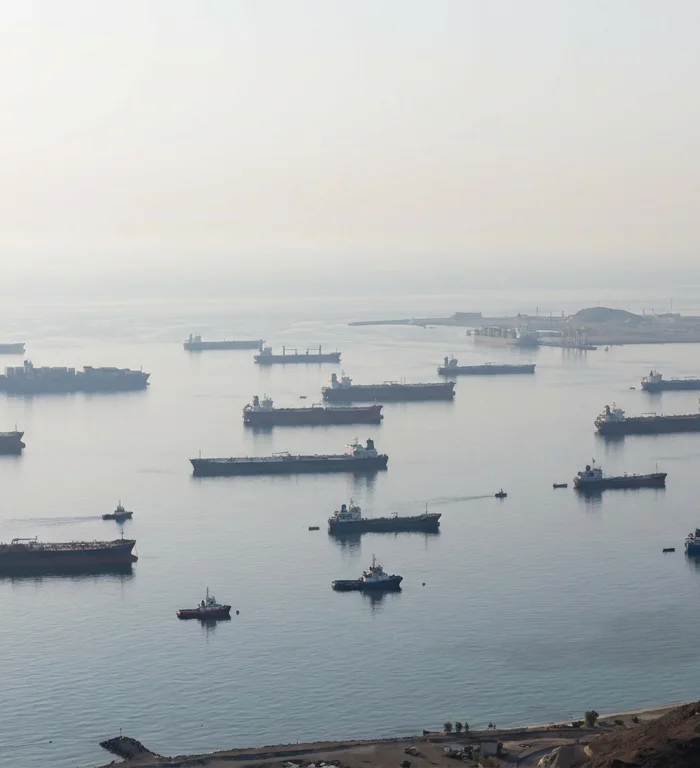
GFS Pride and Cape Dao sank near the Strait of Hormuz on Oct. 14 after officials reported at least five shipping incidents in 48 hours, adding risk to Gulf oil flows.
Officials said the two vessels were container ships and linked the latest incidents to an increase in attacks on commercial shipping near the waterway. Oil shipments have fallen, officials said, though no volume or benchmark comparison was provided.
Hormuz route faces fresh risk
The Strait of Hormuz is the main maritime passage between the Gulf and open ocean routes, making security disruptions there relevant for crude, refined fuels and liquefied natural gas cargoes. A sustained threat to shipping can raise costs through rerouting, insurance premiums and delays even before a physical shortage appears.
Officials said Iran has stepped up attacks on commercial vessels near the strait. That claim is material for energy markets because traders typically price Hormuz risk through the probability that cargoes slow, shipowners hold back vessels or military escorts become necessary.
The immediate question for oil is whether the reported fall in shipments extends beyond the first 48-hour window. If traffic stabilizes, the effect may stay concentrated in freight and insurance costs; if incidents continue, refiners and buyers could face longer delivery times for Gulf-linked barrels.
The next marker is the 24-hour period through Oct. 15, when any further UKMTO notices, shipowner updates or port-flow data would show whether the disruption is widening or easing.
More stories
- Stocks face rotation risk at 5.9% Treasury yield, according to BofA
- Natacha Polony joins France's 2027 presidential race
- IMF urges US deficit cuts as debt costs strain economies
- Lagarde urges France to tackle debt through fiscal consolidation
- Fed rate outlook splits as Williams sees limited tightening
- US ETF issuers add nearly 1,100 funds in leveraged push
- Strategy resumes bitcoin buying with $370 million purchase
- Oil prices rise as Larak Island strike widens Gulf risk
Latest news
- Fairfax faces CSB choice in $5.6bn IDBI stake deal
- Wolfspeed faces dilution risk in $1.5bn Pentagon loan
- Iran targets Starlink with jail terms of up to 5 years
- LLM crisis reports capture 5.4%-11.0% of official figures
- Publicis beats Q3 forecasts with 5% organic revenue growth
- Türkiye Desk: Tencent’s Flow Games move tests Türkiye’s mobile thesis
- Rockstar plans GTA 6 PC release by March 2027, GamesBeat says