Oil prices rise as Larak Island strike widens Gulf risk
Oil rose more than 1% after reported US strikes on Larak Island and Iranian retaliation refocused traders on the Strait of Hormuz.
Atlas Newsdesk ·
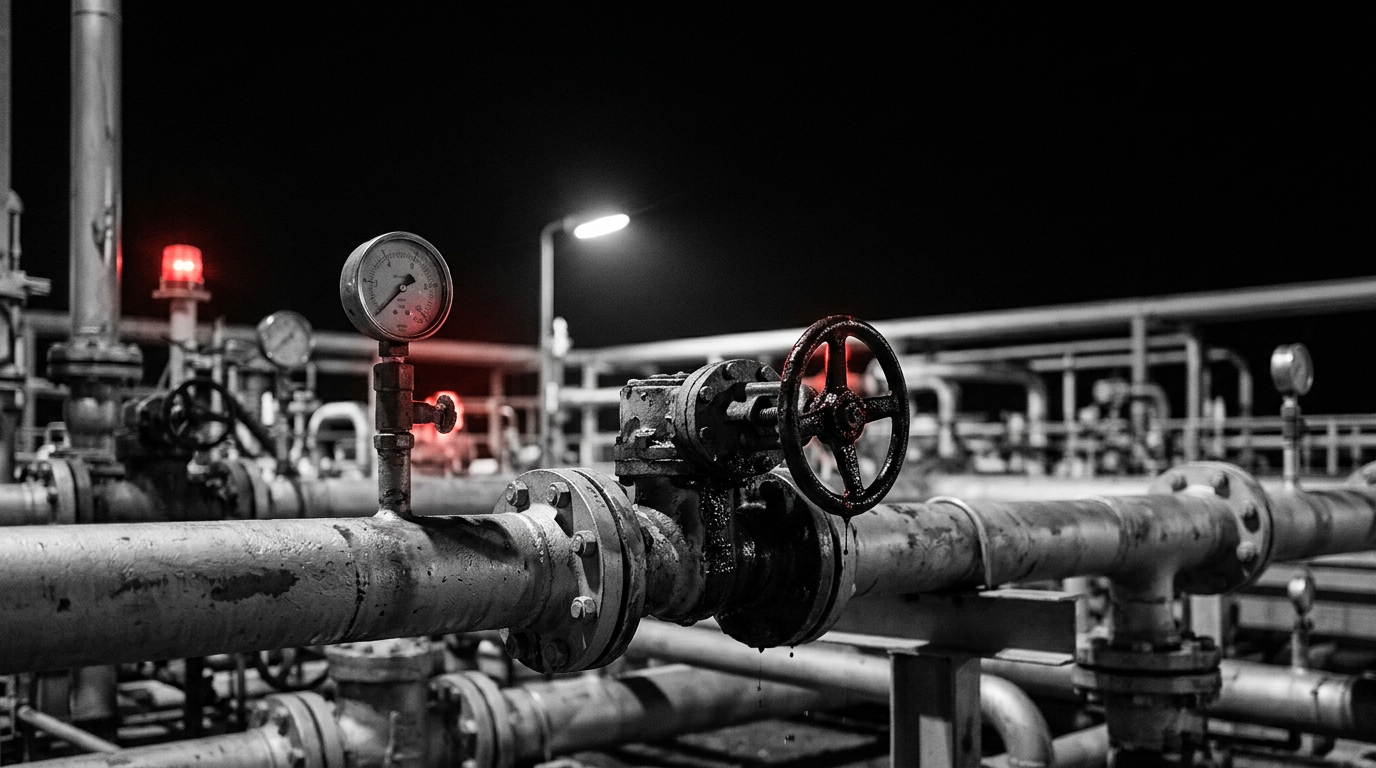
Oil prices rose more than 1% Monday after reported US strikes on Iran's Larak Island refocused trading on the Strait of Hormuz.
Brent crude futures climbed $1.08, or 1.23%, to $89.18 a barrel at 0040 GMT, while West Texas Intermediate rose 92 cents, or 1.10%, to $84.32. The gains followed a week in which both benchmarks fell more than 4%, their first weekly decline in three weeks, and left them set for small August losses.
Larak strike moves crude
The reported US strike hit two Iranian launchers on Larak Island on Sunday, the first known American strike on the Gulf nation since late July. Larak sits in the Strait of Hormuz, the waterway that handled about one-fifth of global oil flows before the war began at the end of February.
Iranian media, citing Iran's Revolutionary Guards, said Tehran attacked two US air bases in Jordan on Monday in response. The claim added a new military front to a conflict that has now stretched into its sixth month.
IG market analyst Tony Sycamore described the market reaction as another escalation phase. "How long that lasts is impossible to determine. Could be days, could be weeks," he said.
Hormuz traffic thins again
Talks aimed at ending the conflict remain stalled, while mediators have tried to reopen the Strait of Hormuz to more regular shipping. Analysts at ANZ said increased oil flows through the waterway had helped limit concern over supply disruption, even as the route remains exposed to military risk.
Shipping data showed five visible commodity vessels a day crossing the strait over the weekend, reflecting caution among companies weighing the threat of attacks. The United Kingdom Maritime Trade Operations said Sunday that a tanker was hit by a projectile on Saturday while sailing inbound through the strait.
The tanker incident matters for energy markets because freight decisions can tighten supply even before physical oil output changes. If insurers raise premiums or operators delay sailings, delivered crude costs can rise for refiners that depend on Gulf barrels.
WTI levels draw attention
Sycamore said technical charts put WTI resistance at $85.80 to $85.90 a barrel, above Monday's early level of $84.32. If prices break that range, he said, the next levels traders may track are last week's $87.69 high and July's $93.50 high.
President Trump also said Sunday that oil from a recent agreement with Venezuela would be used to refill the US Strategic Petroleum Reserve. The reserve has fallen near its lowest level in 44 years, making replenishment policy more visible as Gulf supply risk returns to the center of oil trading.
If the Larak exchange remains contained and Hormuz flows keep rising, the global macro effect would likely run through steadier energy costs rather than a new inflation impulse. Brent and WTI would remain driven by shipping data and military headlines, while tanker operators and refiners would still face higher route and insurance scrutiny.
If attacks on vessels or bases widen instead, the mechanism changes: fewer sailings through Hormuz would reduce available spot cargoes and push buyers toward alternative grades. That path would lift pressure on oil-importing economies, support crude benchmarks, and force the shipping and refining sectors to price a longer disruption rather than a short security shock.