Gurugram plans August start for Bakhtawar Chowk double-decker flyover
Work on the Gurugram Metro double-decker flyover at Bakhtawar Chowk begins in August, testing the city's ability to manage complex infrastructure.
Mei Lin ·
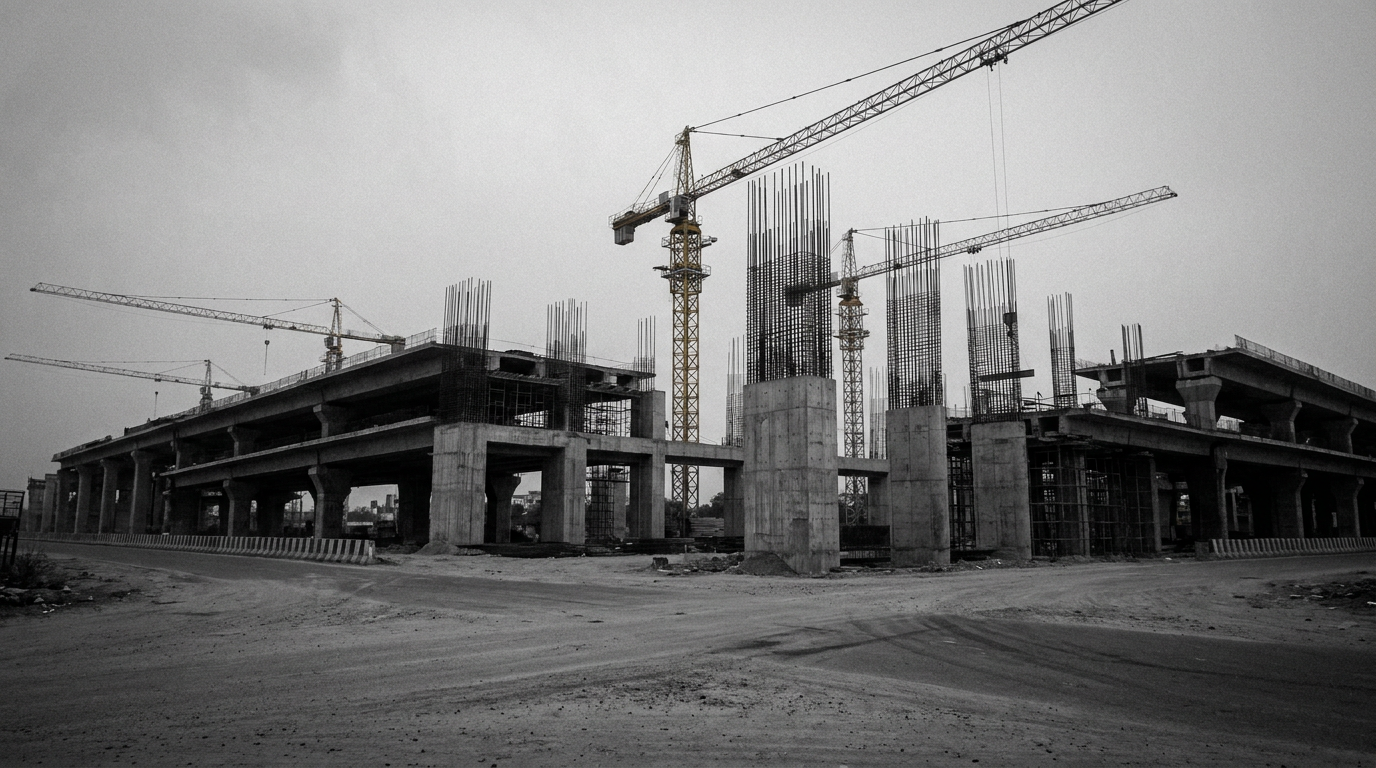
Work on a double-decker flyover at Bakhtawar Chowk, tied to the Gurugram Metro project, is expected to begin by August, according to officials at Gurugram Metro Rail Limited (GMRL). The planned start, while routine in the life of a growing city, matters locally because Bakhtawar Chowk is a pressure point for daily commuting traffic and construction activity can quickly spill over into longer travel times and business disruption.
If the schedule holds, the flyover becomes an early marker for how smoothly Gurugram can deliver supporting infrastructure for the metro build-out. If it slips, it risks becoming another construction bottleneck in a corridor where road capacity and work zones already compete for space.
Bakhtawar Chowk
Gurugram, a fast-expanding satellite city of Delhi and a core market for offices, housing, and retail in India’s National Capital Region (NCR), has been leaning on transport upgrades to keep pace with growth. The Gurugram Metro Rail Limited (GMRL) is the local agency tasked with developing parts of the city’s metro expansion, which is intended to connect key residential and commercial areas while easing dependence on private vehicles.
Large urban rail projects in India typically require parallel investments in road reconfiguration, flyovers, and traffic diversions to protect construction timelines and keep congestion manageable. In practice, the hard part is not only engineering but sequencing: building elevated structures in dense junctions without stalling day-to-day movement of people, goods, and services.
For residents and businesses, Bakhtawar Chowk is less about a single structure and more about reliability. A prolonged construction footprint can affect last-mile connectivity for office districts, retail hubs, and residential neighborhoods, and small changes in peak-hour traffic patterns can compound across Gurugram’s arterial roads.
Bakhtawar Chowk
For the region, project execution is also a credibility signal. NCR cities compete for investment and talent, and transport friction can influence where firms expand and where workers choose to live. Even when a flyover is a local project, the perception of whether construction is orderly or chaotic can shape confidence in broader infrastructure promises, including metro ridership growth and the viability of transit-oriented development.
Track whether construction at Bakhtawar Chowk begins on schedule and whether GMRL and city traffic authorities maintain predictable diversions and work-hour discipline through the first few months; early-stage slippage often shows up before the main civil works accelerate. By 2026-07-24, the observable test is whether the flyover project is completed: if it finishes on time and within budget, it supports the case that local agencies can manage complex junction work alongside metro expansion; if it faces delays or cost overruns, it would point to the familiar execution risks that have slowed large urban infrastructure projects across India.