

Global Tech Markets Lose $2.5 Trillion Following US Election Results
Global tech stocks plummeted by $2.5 trillion as US election results signaled potential legislative restrictions on AI infrastructure and data center…
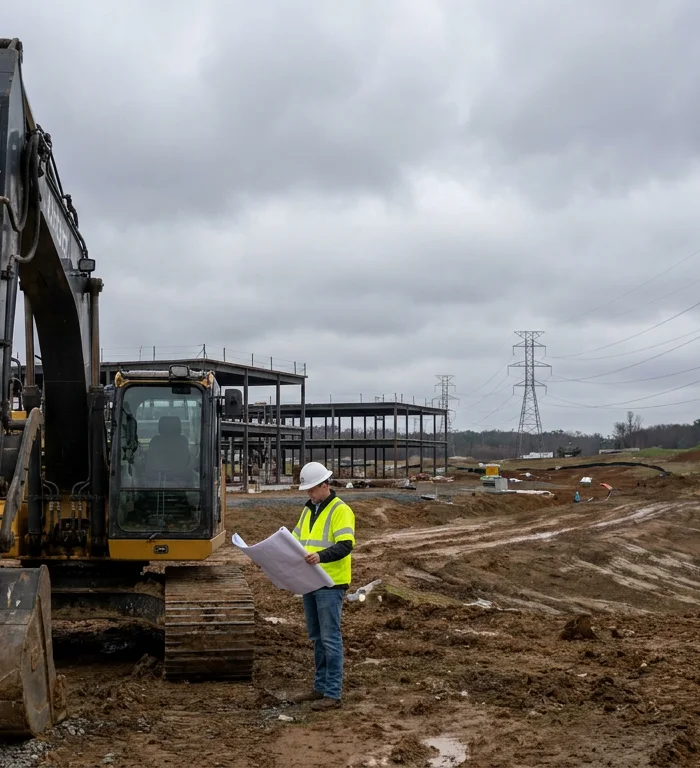
Global equity markets experienced a significant contraction, with the Nasdaq Composite index declining by over 5.5% and erasing approximately $2.5 trillion in market value. This sell-off, the most severe since 2025, was driven by investor concerns regarding the future of artificial intelligence (AI) infrastructure and the potential for increased regulatory oversight following the recent US midterm elections.
Democratic gains in Congress have introduced political uncertainty for the technology sector, as several successful candidates campaigned on platforms advocating for stricter controls on data center development. Proposed measures include potential moratoriums on new construction, which investors fear will increase operational costs and delay the expansion of AI-critical infrastructure. The shift in legislative control suggests a move toward greater scrutiny of environmental impacts and energy consumption associated with large-scale computing hubs.
Nasdaq Composite
Semiconductor manufacturers and firms heavily exposed to AI infrastructure faced the most significant losses. In the US, Nvidia saw its market value decrease by over $400 billion, while AMD, Micron, and Intel experienced double-digit percentage declines. The Philadelphia Semiconductor Index dropped by more than 12%, reflecting broad-based institutional concern regarding the sustainability of current capital expenditure levels in the AI sector.
Asian markets mirrored the volatility, with the Kospi index in South Korea triggering circuit breakers after an 8.5% decline. Major regional chipmakers, including SK Hynix, Samsung, and TSMC, saw share prices fall between 8% and 12%. European tech equities also trended downward, with significant losses reported for ASML and Infineon.
Market analysts indicate that the sell-off represents a convergence of two primary risks: skepticism regarding the long-term return on investment for AI infrastructure and the immediate threat of restrictive domestic policy. As the legislative landscape shifts, the industry faces a period of heightened uncertainty regarding project approvals and regulatory compliance. Investors are now recalibrating valuations to account for the potential of a sustained slowdown in the deployment of AI-enabling technologies.
More stories
- Trump prepares tariffs on China and other major exporters
- Banks face ECB reserve debate over liquidity and profits
- Investors see Anthropic debut gains fade below $83 a share
- Iraq orders federal control over Kurdish-area oilfields
- Nvidia shares retreat as AI rally cools before PCE data
- Nvidia board gets Trump input on Jensen Huang return as CEO
- Brent crude rebounds as chip shares extend their retreat
- French MPs reject 2027 budget revenue plan 458-0
- Memory costs push smartphone shipments down 20%
- Sweden's 176-seat left bloc stalls in government talks