

Memory costs push smartphone shipments down 20 %
Samsung kept first place at 23 % share, while Apple reached 22 % as Counterpoint said manufacturers favored margins over unit growth.
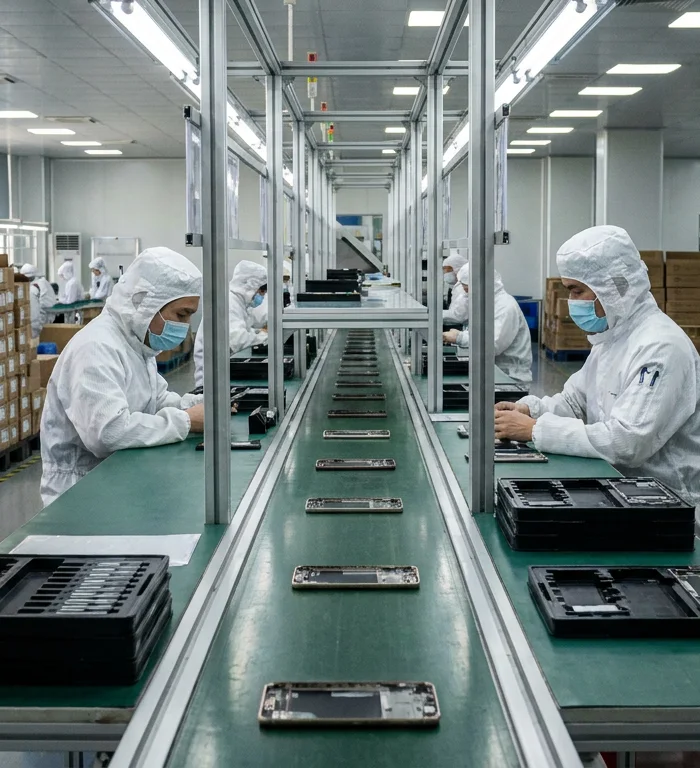
Counterpoint Research’s preliminary estimates showed global smartphone shipments dropped 20% year over year in the third quarter of 2026, Quartz reported Oct. 13, putting the period at a 14-year low.
The decline matters for handset makers, component suppliers and investors because Samsung still led with 23% share in the quarter, while Apple reached 22%, narrowing the gap in a shrinking market.
Counterpoint attributed the contraction to tight memory-chip availability and higher component costs. The research firm said manufacturers responded by cutting volumes, raising prices and shifting more attention to higher-profit models rather than chasing low-end unit sales.
“Consumers are holding on to their devices longer than estimated, increasingly considering refurbished devices and prioritizing higher-value devices,” Counterpoint Senior Analyst Shilpi Jain said.
Samsung’s shipments fell 3% from a year earlier in the third quarter of 2026, according to the preliminary estimates. Counterpoint said demand for the Galaxy Z Fold8 lineup helped the South Korean company, while supplies for mid-range devices were comparatively stable.
Apple crossed 20% third-quarter market share for the first time, reaching 22%, even though its shipments also declined from a year earlier. Counterpoint linked part of that result to Apple not offering a base iPhone 18 model, saying the launch generated less channel inventory than the full iPhone 17 family did in the prior year.
The mix was stronger at the premium end. Counterpoint said the iPhone 18 Pro models had a better launch than their predecessors, with China and India singled out as areas of strength.
The pressure was sharper for several Chinese vendors. OPPO and vivo each recorded shipment drops of more than 20%, Reuters reported, while Xiaomi’s shipments fell by more than 30% after the company reduced exposure to budget categories and some overseas markets to protect profitability. Xiaomi ended the quarter with 10% share.
For the smartphone sector, the report points to a market where price and parts availability are limiting volume, especially for budget buyers. Counterpoint said memory supplies have been pulled toward AI infrastructure projects, raising costs for phone makers and making cheaper devices harder to sell at attractive margins.
The data are preliminary, and the supplied material did not include total industry units, company comments, final vendor shipment counts or regional market-share tables. Counterpoint’s explanation also describes manufacturer behavior and supply pressure; it does not quantify how much of the 20% market decline came from each factor.
Counterpoint gave a cautious view for the coming months, saying manufacturers are prioritizing margins while component costs remain elevated. The firm said a meaningful recovery in shipments is expected to depend on lower costs and more stable supply chains, without providing a dated forecast.
Source: News article, Quartz, Oct. 13, 2026; preliminary estimates, Counterpoint Research.
More stories
- Johnson & Johnson lifts 2026 outlook after 6% Q3 growth
- Accordion adds 50 engineers in Stride AI acquisition
- Centerra targets 70% of Azimut projects with $16 million earn-in
- Citigroup profit beats estimates as bond trading hits decade high
- Marotta deepens submarine role with three-year Electric Boat deal
- Oil’s 2% drop steadies risk tone before US CPI
- Skyworks and Qorvo win final Chinese approval
- Rupee drops past 96 per dollar
Latest news
- Loadout’s $LOAD launch tests funding model for 40 games
- Hezbollah drone report tests Washington’s Lebanon ceasefire strategy
- Tai Chi may ease pain in musculoskeletal disorders
- Konya exports near $4 billion as leaders assess risks
- Sharjah Islamic Bank profit rises 9% as financing expands
- UAE green plans put Dh200 billion investment target in focus