German 'Dragon' Submarine Reinforces Israel's Naval Power
Germany delivered the final Dolphin-class 'Dragon' submarine to Israel, completing a long-term procurement and enhancing Israel's strategic naval…
Omar Farouk ·
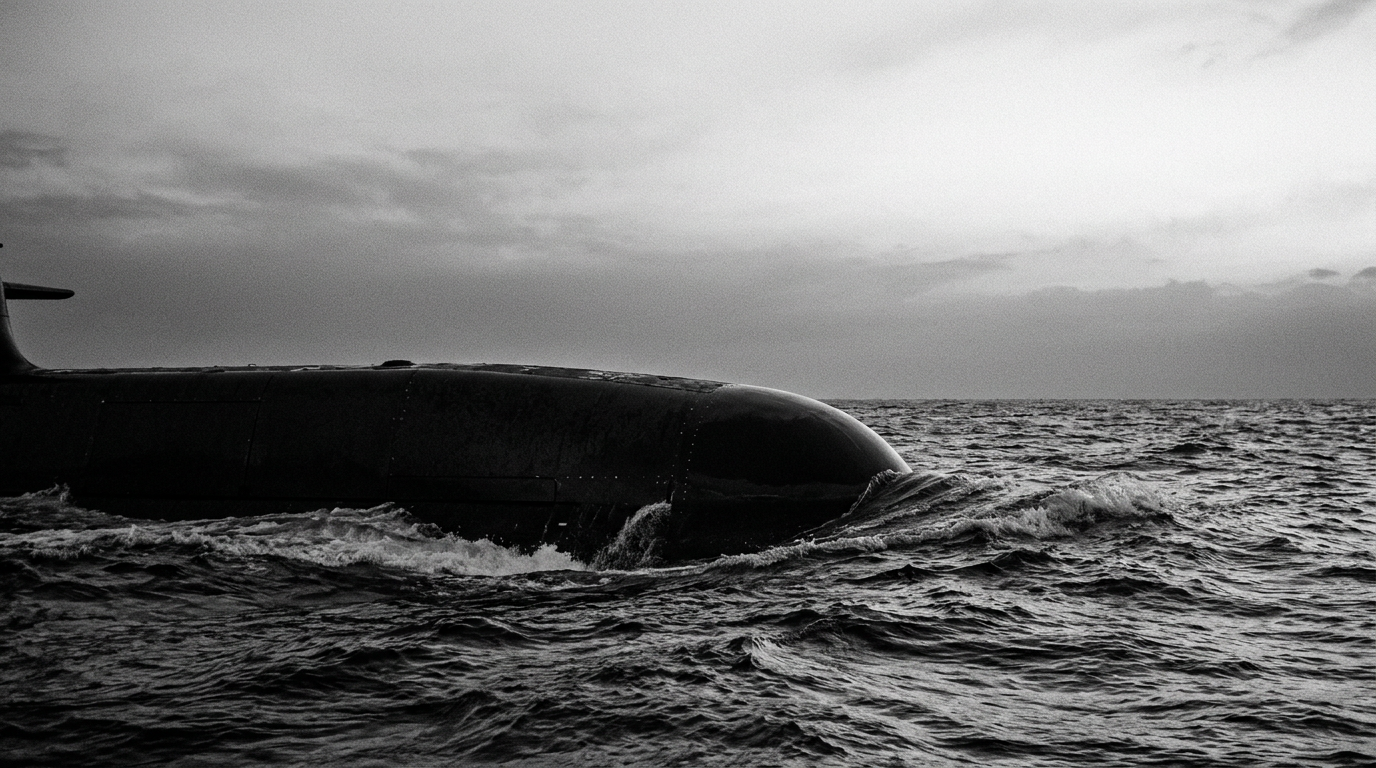
German 'Dragon' Arrives in Israel
Germany completed the delivery of its final Dolphin-class submarine, the 'Dragon,' to Israel, marking the conclusion of a multi-decade acquisition program aimed at modernizing the Israeli Navy's underwater fleet. The delivery, widely reported by foreign publications, reinforces Israel's strategic naval capabilities, particularly its undeclared nuclear deterrent, and significantly impacts the regional balance of power.
Israel's Strategic Submarine Program
The Dolphin-class submarines are central to Israel's defense strategy, forming a key component of what analysts describe as its "nuclear triad." This undeclared deterrence capability, based on a policy of strategic ambiguity, is understood to include land-based missiles, air-delivered munitions, and sea-based missiles. The submarines are specifically designed to carry cruise missiles, providing a second-strike capability that can operate undetected in international waters.
The acquisition of these advanced submarines reflects a long-standing defense cooperation between Germany and Israel. This partnership has seen Germany contribute significantly to Israel's naval modernization, often through subsidized deals, strengthening a relationship rooted in historical and strategic considerations.
Regional Implications and Deterrence
The 'Dragon's' integration into the Israeli fleet has immediate regional security implications. For adversaries like Iran, the enhanced submarine capability represents a more robust and survivable Israeli deterrent. Iran has consistently voiced concerns regarding Israel's military buildup and its strategic capabilities, viewing such developments as a direct threat to its own security interests in the Persian Gulf and broader Middle East.
Israel Germany
The presence of these submarines impacts the strategic calculus for oil shipping routes, including the Strait of Hormuz and Bab al-Mandab, critical choke points for global energy markets. A stronger Israeli naval presence in the Eastern Mediterranean and potentially the Red Sea could alter perceptions of power projection and influence for both regional allies and rivals.
Monitoring Regional Reactions
The delivery of the 'Dragon' is likely to elicit varying responses across the Middle East. While Israel's allies may view it as a reinforcement of regional stability, others, particularly Iran, could interpret it as an escalation. Future statements from regional powers will indicate the perceived shift in the balance of power following this delivery.