Geneva’s rights forums under strain as testimony and access tighten
A recent opinion piece arguing that “when victims cannot testify, we must carry their stories” points to a wider squeeze on access, agenda-setting, and…
Omar Farouk ·
# Geneva’s rights forums under strain as testimony and access tighten
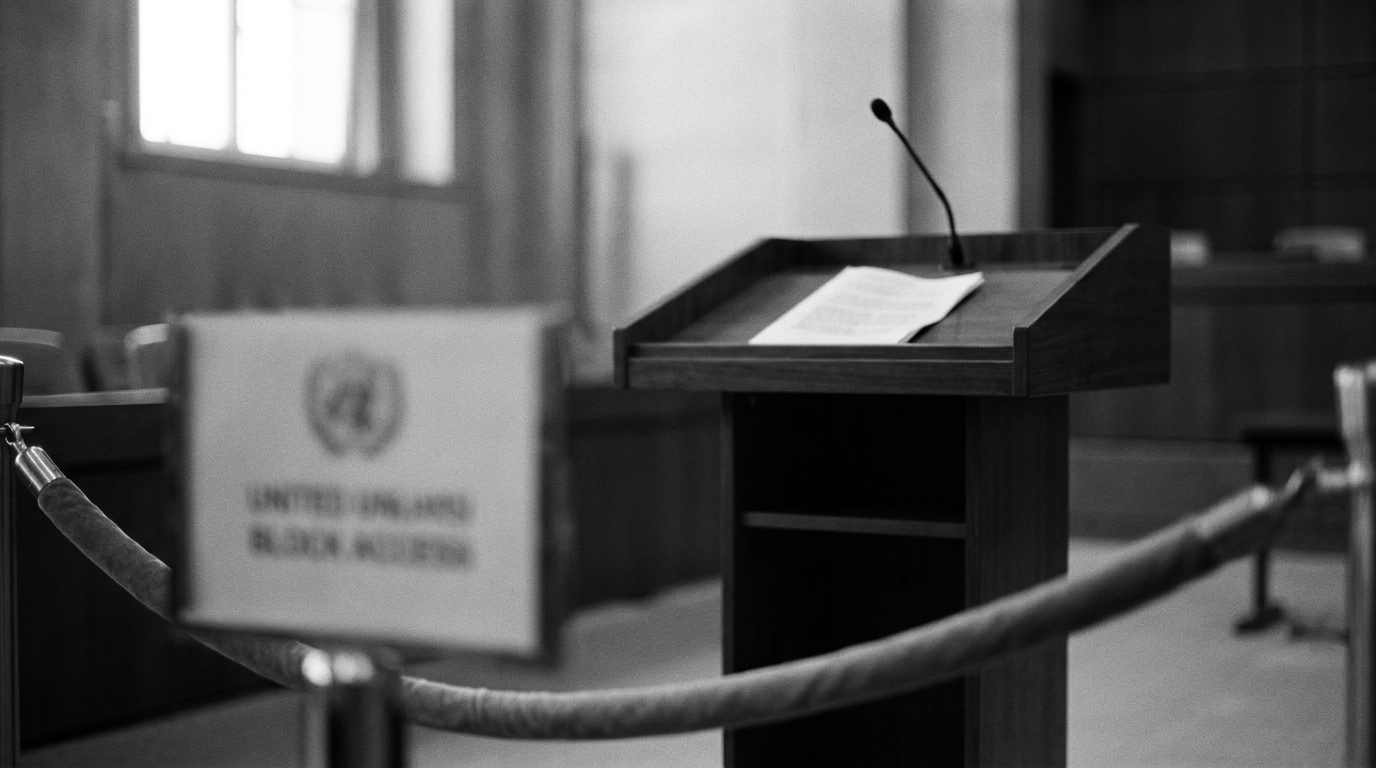
The debate over how victims’ stories are heard in Geneva has resurfaced after a published opinion essay described a trip to the city as a response to victims being unable to testify directly. The essay frames the moment as a crossroads for the international human-rights system, with advocacy increasingly shifting from in-person testimony to intermediated accounts.
In the Middle East context
In the Middle East context, Geneva-based mechanisms matter because they shape how wars, detentions, and political repression are documented and debated in global forums. They also influence diplomatic pressure on governments and armed groups, even when enforcement tools are limited.
Geneva hosts key United Nations human-rights institutions, including the UN Human Rights Council (UNHRC), where member states vote on resolutions, create investigative mandates, and hold periodic reviews of countries’ rights records. It also convenes side events where civil society groups and victims’ representatives try to get cases in front of diplomats.
For Middle East actors, these venues have been used to air allegations related to conflicts and security campaigns across the region, as well as to lobby for commissions of inquiry or special rapporteur mandates. Governments often contest allegations as politicized or selective, while rights groups argue the forums are among the few international stages where abuses can be systematically raised.
That matters in the Middle East because competing
When direct victim testimony is limited, the credibility battle shifts to who controls documentation, access, and verification. That matters in the Middle East because competing narratives are central to diplomacy around Gaza, Syria, Yemen, Iran, and Lebanon, where states and armed groups routinely dispute civilian-harm claims and detention accounts.
The spillover is not just reputational. Geneva outcomes can feed sanctions debates, arms-transfer scrutiny, and legal exposure in national courts that use international findings as reference points. They can also influence pressure campaigns tied to humanitarian access and, in conflict settings, link indirectly to regional stability that affects energy markets and shipping routes such as the Strait of Hormuz and Bab al-Mandab.
Watch for any formal action items in the next UNHRC cycle that affect how testimony is received, including changes to accreditation, side-event access, or the creation or renewal of investigative mandates. By 2026-09-30, an observable signal would be a published UNHRC agenda and documentation showing whether access rules tighten or loosen; the call is right if new constraints or formal disputes over participation appear in the record, and wrong if procedures remain unchanged and participation pathways stay intact.