

AI Infrastructure Demand Extends PCB Lead Times to 30 Months
Surging demand for AI server components has created a global PCB shortage, with lead times reaching 30 months and forcing manufacturers to deprioritize…
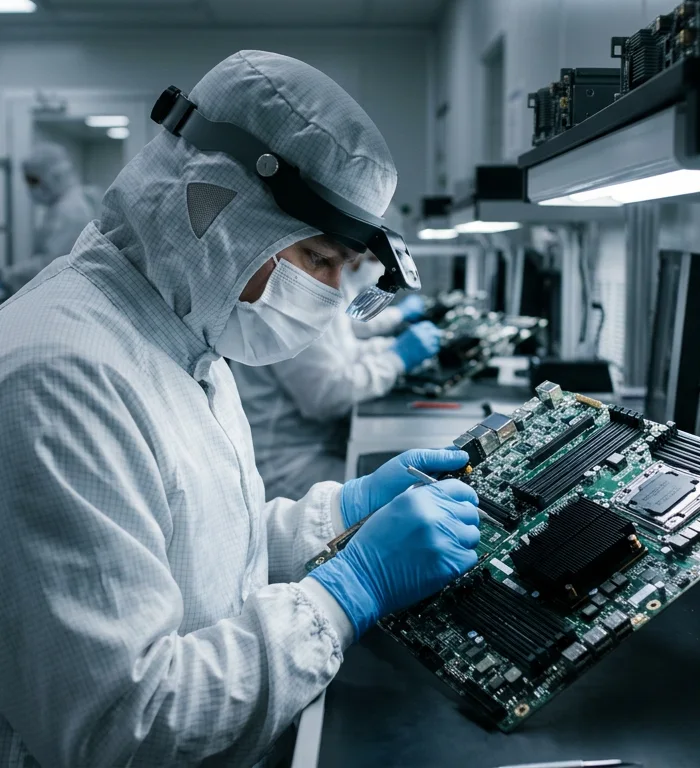
Global supply chains for printed circuit boards (PCBs) are experiencing significant disruption as demand for high-end AI server components outpaces manufacturing capacity. Lead times for certain PCB orders have extended to as long as 30 months, forcing manufacturers to prioritize high-margin AI-related production over standard consumer electronics components. This shift has created an allocation crisis for major PC manufacturers, who are struggling to secure necessary supplies despite declining global shipment volumes.
AI server boards require significantly more complex manufacturing processes, including three to five times the layer count of standard motherboards and the use of specialized low-loss laminates. Consequently, these components consume disproportionately more factory time and raw materials. Manufacturers are increasingly pivoting their production lines toward these high-value AI products, effectively squeezing out traditional PC and consumer hardware orders.
PC OEMs
The supply constraint is further exacerbated by hyperscalers directly investing in the supply chain to guarantee capacity. For instance, major cloud service providers have taken equity stakes in specialized electronics manufacturers to secure priority access to output. This trend has left traditional PC OEMs in a precarious position, as they are unable to compete with the capital and volume commitments of AI-focused data center operators.
This equipment shortage limits the ability of the Beyond the boards themselves, the broader manufacturing ecosystem is facing bottlenecks. Lead times for critical production equipment have also reached 30 months, with over 80% of necessary machinery experiencing extended delivery delays. This equipment shortage limits the ability of the industry to scale production capacity in the near term, suggesting that supply constraints for both memory and circuit boards may persist through 2028 or beyond.
Financial impacts are already manifesting across the sector. Medical device manufacturers have reported significant revenue hits due to these shortages, and the industry is bracing for continued volatility. As data centers continue to capture a larger share of high-end component output, the disparity between AI-driven demand and consumer hardware supply is expected to remain a primary risk factor for hardware manufacturers through the end of the decade.
More stories
- The Week in Games: GTA 6 turns attention into cash
- US data centres emit 25.7m tonnes of CO2, Harvard says
- German founders need 3,942 hours to open small business
- Leaked Deutsche Bank files test Sewing's reform narrative
- UAE employers plan 2.8% pay rises for 2027
- Bessent urges Nvidia to seek outside CEO as scrutiny grows
- CapitaLand, Neon target China's $2.8 trillion experience economy
- Listed firms in Indonesia face fire scrutiny as 2.88m hectares burned
- Vietnam fintechs seek 5.2m household firms with digital loans
- Motilal Oswal backs Lenskart after 33% revenue growth
Latest news
- Social Security raises 2027 benefits 3.6%
- Hull City 2–0 Brighton: When Resilience Beat Reputation
- David Parr House to honor Victorian art-workman with blue plaque
- Iran's attacks hit 25 tankers near Strait of Hormuz
- FCC approves prison cellphone jamming despite 2.5-mile warning
- Russia strikes Ukraine as Odesa faces electricity strain
- Bahrain reports two injuries after Iranian aerial attacks
- Congress tests Black Democrats' growing policy influence