

Queensland Health Investigates Multiple Deaths Linked to Ambulance Response Delays
Queensland health authorities are investigating four recent deaths linked to significant ambulance response delays, raising concerns regarding emergency…
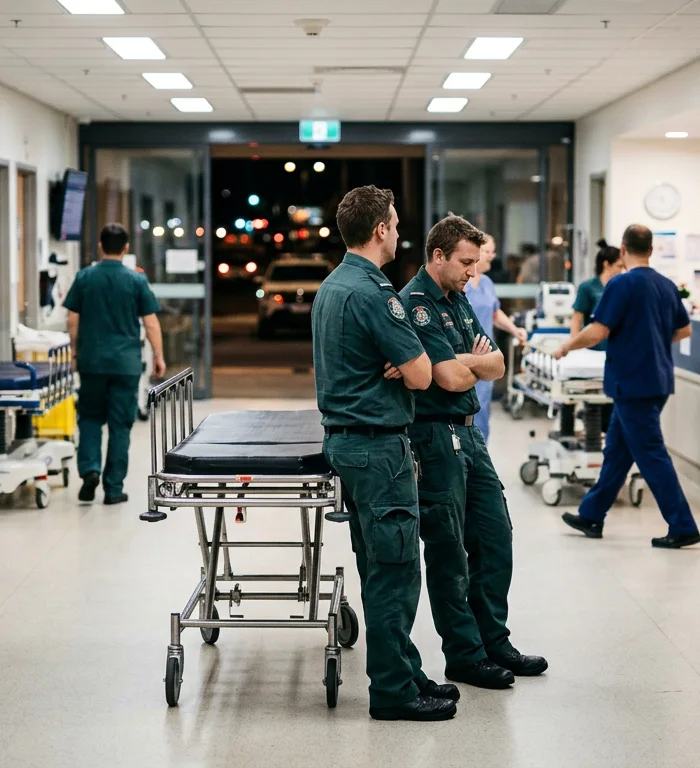
Queensland health authorities have launched formal investigations into the deaths of four individuals who expired while awaiting emergency ambulance services over the past two weeks. Among the deceased is a 20-year veteran of the Royal Australian Navy, who reportedly waited 18 hours for medical assistance after multiple emergency calls were placed. Other recent fatalities include individuals in Logan, Brisbane, and Townsville, with wait times ranging from four to over five hours.
State health officials have acknowledged these incidents as preventable and have confirmed that the Queensland Ambulance Service and Clinical Incident Review Teams are conducting internal inquiries. The Health Minister has stated that he is seeking assurances that affected families are receiving direct communication from the service. These investigations are expected to examine systemic failures in emergency response protocols and the capacity of local hospital emergency departments.
Data indicates that the ambulance service managed nearly 13,000 emergency calls over the most recent weekend, with approximately 70% requiring immediate intervention. Medical associations have highlighted that the delays are symptomatic of broader resource constraints, noting that emergency departments are struggling with patient offload capacity. This bottleneck prevents paramedics from returning to the field, thereby reducing the availability of crews for urgent community responses.
Stakeholders are now monitoring the progress of these clinical reviews to determine if the deaths were the result of individual service failures or broader infrastructure deficits. The ongoing pressure on emergency medical resources remains a critical point of concern for state governance, as the inability to provide timely care continues to impact public safety and institutional credibility. Future policy adjustments may be required to address the current limitations in patient transfer and emergency response efficiency.
More stories
- Dietitians advise small swaps for plant-based eating
- TikTok dementia videos mislead in 66.4% of sample, researchers say
- Aberdeen Royal Infirmary faces police inquiry call over 19 deaths
- Bariatric surgery group loses 28.2% after GLP-1 use
- TOFA boosts mouse energy use 18% while preserving muscle
- ICO probes NHS therapy notes accessible to up to 140,000 staff
- Congo Ebola outbreak spreads to 8 provinces
- Daily iron tablets cut anaemia risk in children across 114 studies
Latest news
- David Parr House to honor Victorian art-workman with blue plaque
- Iran's attacks hit 25 tankers near Strait of Hormuz
- FCC approves prison cellphone jamming despite 2.5-mile warning
- Russia strikes Ukraine as Odesa faces electricity strain
- Bahrain reports two injuries after Iranian aerial attacks
- Congress tests Black Democrats' growing policy influence
- Baltic responders fight Sparta II fire after drone strike
- Europe faces attribution gap after 16 cyber, physical incidents