UAE and US Refute False Iran Drone Attack Claims
Officials from the UAE and US Central Command refuted Iranian state media reports on Monday, July 22, alleging a drone attack on Al Minhad air base.
Omar Farouk ·
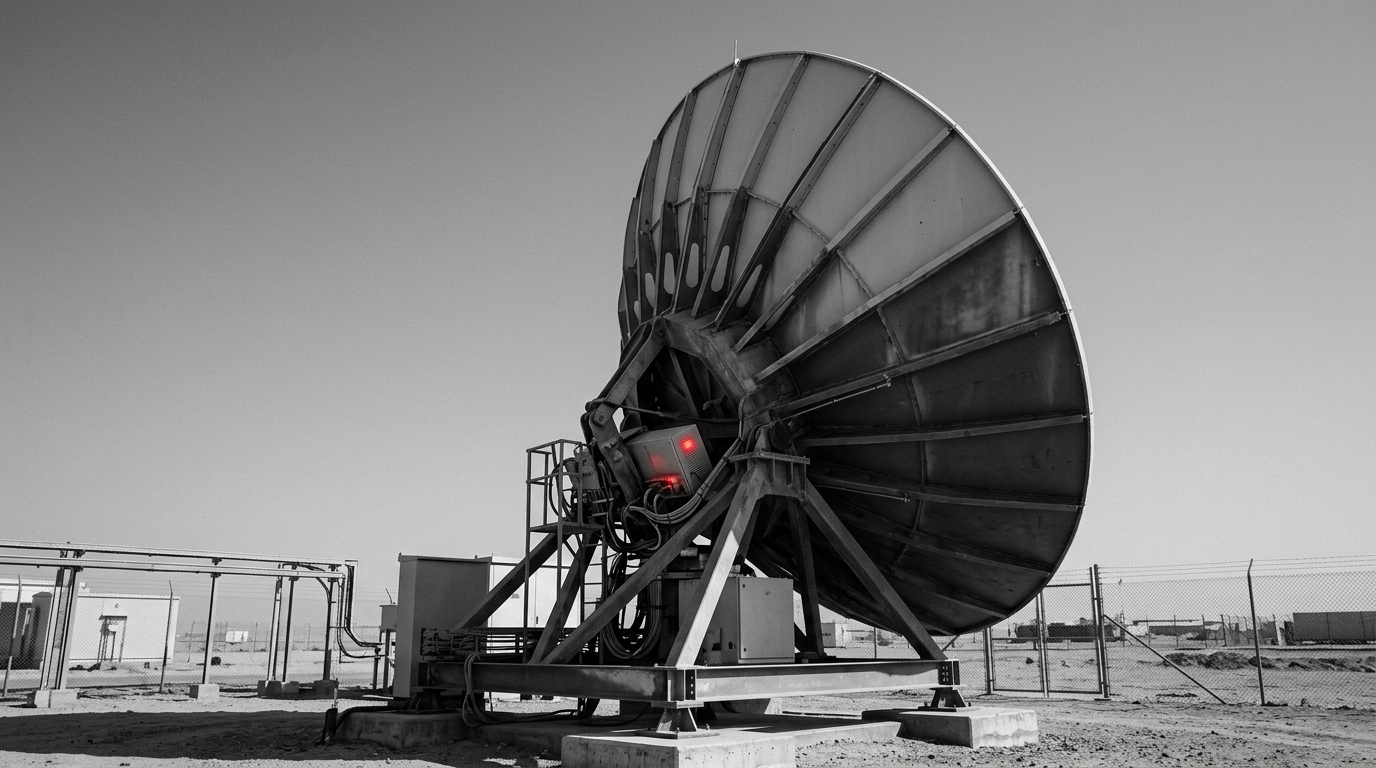
Iranian state media outlets circulated reports on Monday, July 22, alleging a drone attack against the United Arab Emirates' Al Minhad air base. These claims suggested the strike targeted United States forces and helicopters stationed at the facility. However, UAE officials, including the Ministry of Defense, and US Central Command (CENTCOM) swiftly and unequivocally denied the incident, confirming no such event occurred.
The erroneous reports initially surfaced across several Iranian state-affiliated news agencies, notably Fars News, which cited an "informed source." These publications detailed the alleged attack taking place on Monday morning, targeting a significant US military presence within the UAE. In response, the UAE Ministry of Defense issued a statement dismissing the reports as "baseless," asserting that no attack had occurred on its territory. US CENTCOM corroborated this denial, verifying that no American facilities or personnel in the region had been targeted.
Regional Tensions and Misinformation
This incident unfolds amid a complex and frequently tense regional geopolitical landscape. Iran has a history of supporting non-state actors in the Middle East, such as the Houthi movement in Yemen. The Houthis have previously conducted drone and missile attacks against targets in both Saudi Arabia and the UAE, periodically escalating regional tensions and prompting retaliatory actions. The United States maintains a substantial military footprint in the Gulf, including air assets and personnel at bases like Al Minhad, as a cornerstone of its regional security strategy.
The presence of US forces often places them at the intersection of regional rivalries and potential flashpoints, particularly concerning Iran's activities. The false report risks undermining fragile diplomatic initiatives that have recently aimed to de-escalate tensions in the Gulf. Both Saudi Arabia and the UAE have engaged in cautious rapprochement with Iran, seeking to reduce direct confrontations and foster regional stability after years of strained relations. An actual attack on UAE soil, especially one targeting US forces, would severely jeopardize these nascent diplomatic pathways, potentially reigniting a cycle of escalation.
Implications for Diplomatic Pathways and Information Control
Vital global shipping lanes, including the Strait of Hormuz and Bab al-Mandab, remain vulnerable to disruptions from regional conflicts, which could significantly impact global energy markets and trade flows. The rapid debunking of the drone attack claim casts renewed scrutiny on the information dissemination practices of certain state-affiliated Iranian media outlets. Unverified reports, regardless of their origin within the Iranian media landscape, can inadvertently contribute to regional instability by creating confusion and escalating perceived threats.
Analysts suggest that such incidents, whether stemming from intentional misinformation or internal communication failures, underscore the necessity for careful verification in a region where geopolitical sensitivities are exceptionally high, and miscalculation carries substantial risks. The international community, particularly regional actors and the US, will closely observe how Tehran addresses the veracity of its state media's reporting by July 25, 2024. If Iran issues a clear, official retraction or explanation, perhaps attributing it to a specific outlet or an internal error, this could mitigate some immediate diplomatic fallout by signaling an intent to manage information flows from state-affiliated channels. Conversely, if Iran remains silent or if the initial, false report is used by hardliners internally without addressing international repercussions, it could deepen distrust and further complicate regional diplomacy.