Trump says Strait of Hormuz talks advance despite Iran bill
President Trump said Strait of Hormuz negotiations are progressing as Iran's parliament weighs draft restrictions on US and Israeli shipping.
Lauren Collins ·
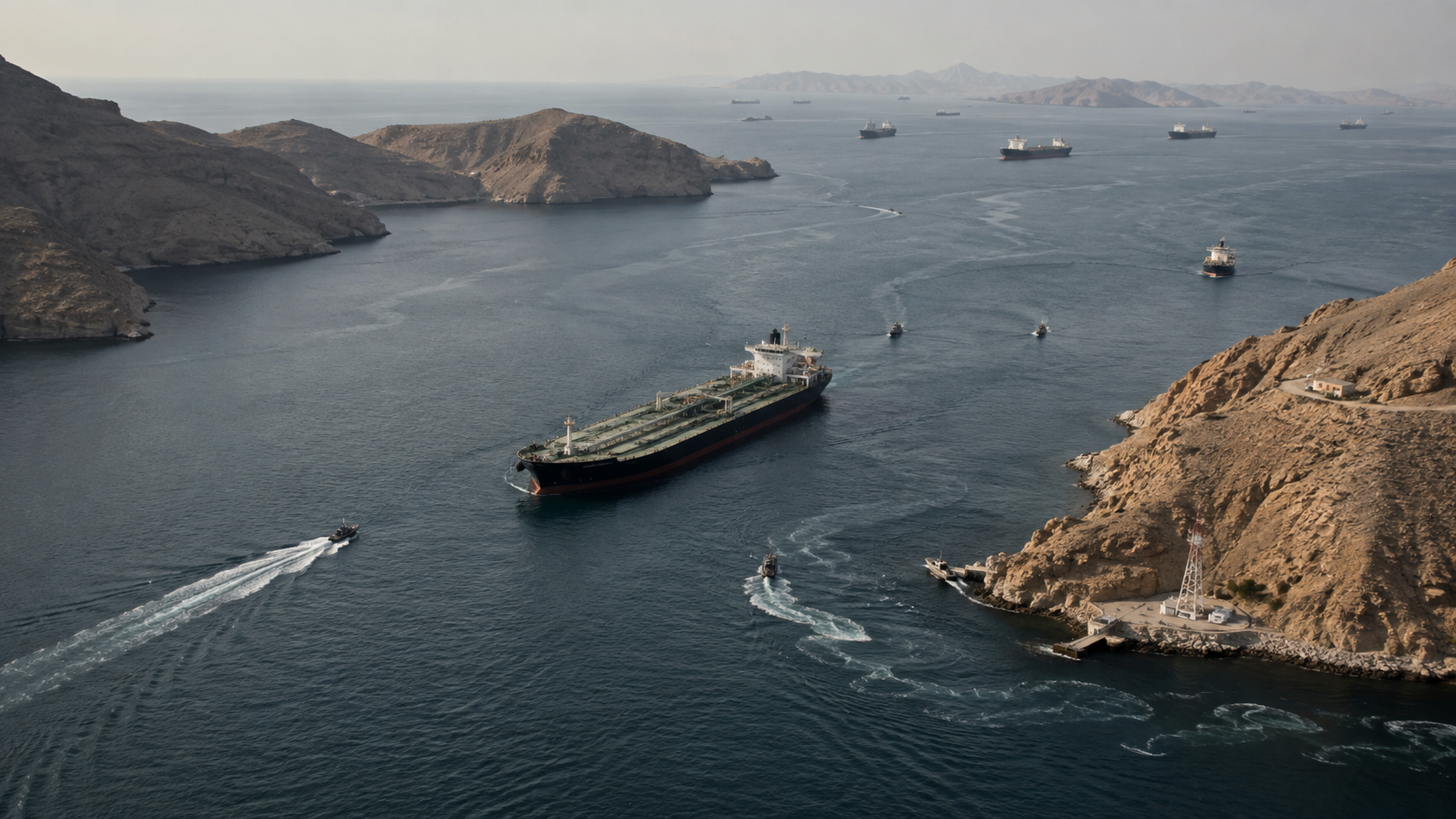
Strait of Hormuz talks are progressing, President Trump said, as Iran considers curbs on US and Israeli ships in a draft deal.
Trump said negotiations involving Iran and Oman are "moving along," even as Iranian lawmakers weigh a plan that would restrict access to the waterway. The proposal would bar American and Israeli ships as part of a package now under review in Iran's parliament, according to the semi-official Fars news agency.
Iran bill tests Oman channel
Fars reported Thursday that the draft bill followed several days of discussions between Tehran and Muscat. The measure also seeks compensation from countries Iran describes as hostile, limits cargo tied to Israel and sets fees for services including insurance and environmental costs.
The proposal's status remains unresolved. Iranian officials have not said whether Supreme Leader Mojtaba Khamenei has approved the terms, and they have said communication with him takes time.
Both Washington and Tehran have signaled in recent days that an agreement over the strait may be near. The unresolved question is whether Iran's negotiators can bind the political and security institutions that would have to carry out any deal.
February attacks curtailed flows
The Strait of Hormuz has become central to expectations for a restart in energy movement after the US and Israel attacked Iran at the end of February. The source material describes those flows as severely curtailed since the attacks, without giving a volume or date for a full resumption.
A reopening of the chokepoint could also create space for broader US-Iran talks aimed at ending the war. That path depends less on a public statement of intent than on whether tankers, insurers and naval forces treat the terms as enforceable.
Arab mediators cited in a separate report said they were concerned Iranian diplomats may be unable to guarantee compliance with any agreement. Those mediators said Tehran's lead negotiators were under pressure from hardline officials to secure clearer recognition of Iran's role in the strait and more explicit benefits.
Brent trades above $83
Tensions remained visible late Thursday, when Fars said Iranian naval forces had struck "hostile targets" at the entrance to the strait, citing an unnamed source. Brent crude rose about 1% to above $83 a barrel after gaining almost 4% in the previous session.
The shipping terms would matter beyond the governments negotiating them. A ban tied to ship nationality or Israel-linked cargo would force energy traders, shipowners and insurers to screen voyages more tightly, while service fees could raise costs on routes that already carry higher political risk.
No single listed company sits at the center of the account; the commercial exposure runs through energy producers, tanker operators, insurers and refiners that depend on predictable passage. For the wider industry, the mechanism is straightforward: fewer usable routes and higher compliance costs can slow cargo scheduling and raise delivered fuel costs.
If Khamenei assents to a deal and enforcement is clear, the global macro effect would run through a lower energy risk premium and steadier supply expectations. Iran would gain a negotiated role in managing the chokepoint, while the shipping and energy sectors could begin rebuilding schedules around a more stable corridor.
If parliament hardens the proposed bans or naval incidents continue, the macro effect would run in the other direction as traders price in disrupted flows and higher insurance costs. Iran would keep leverage over the waterway, but doubts about compliance would limit any diplomatic benefit; the sector would face more rerouting, screening and delay.
A third path is a partial accord that diplomats announce before security bodies fully align behind it. In that case, global markets may respond unevenly, Iran's negotiators would face questions over delivery, and energy companies would likely wait for proof of safe passage before treating the strait as reopened.
The next markers are concrete: parliamentary language, assent from Khamenei, confirmation from Oman and evidence that ships can transit without new restrictions. Until those points line up, the talks can advance while the risk around the waterway remains priced into oil and shipping decisions.