

Israeli strikes across Lebanon kill at least 31, Health Ministry says
Israel’s airstrikes in Lebanon kill 31, including children. Netanyahu pledges to escalate operations against Hezbollah.
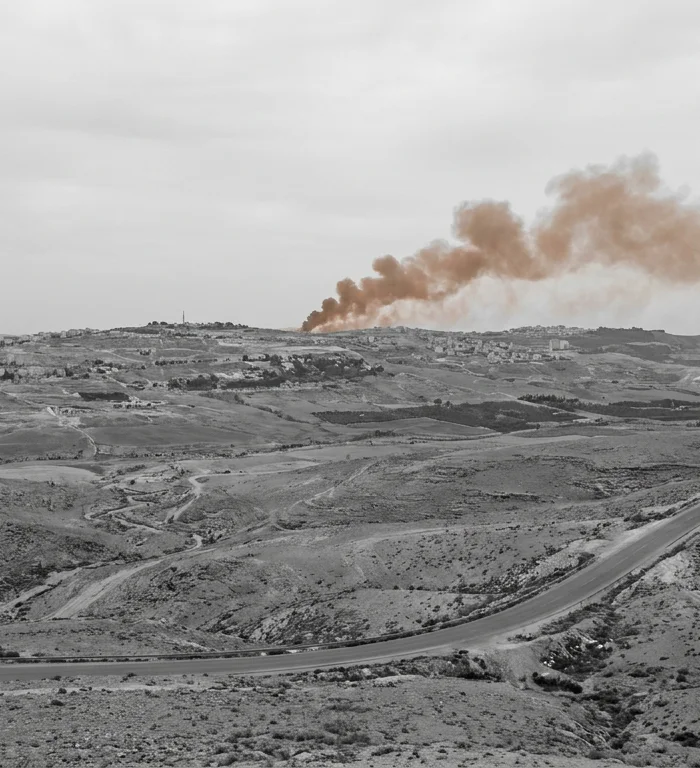
Israel carried out a wave of airstrikes across southern and eastern Lebanon that killed at least 31 people, including several children, Lebanon’s health ministry said. The attacks followed comments by Israeli Prime Minister Benjamin Netanyahu promising to intensify operations against Hezbollah. Israel’s military said it hit more than 100 Hezbollah infrastructure sites and fighters.
Israel described the barrage as one of its heaviest since a U.S.-brokered ceasefire began in mid-April. The ceasefire has been repeatedly violated by both sides, with Israeli strikes continuing in southern Lebanon and Hezbollah launching rockets and drones into northern Israel.
Netanyahu said on Monday he had instructed forces to “press the pedal even harder” in targeting Hezbollah. Speaking at a security cabinet meeting on Tuesday, he said Israel was “deepening our operation in Lebanon.”
Netanyahu said the Israel Defense Forces were operating with large ground forces, seizing dominant terrain and fortifying what he called a security zone. He said the goal was to protect communities in northern Israel from Hezbollah attacks.
Targets reported in the Bekaa Valley and the south
Airstrikes hit the Bekaa Valley village of Mashghara and also struck Burj al-Shamali in southern Lebanon, officials and local reports said. Strikes also hit near Beaufort Castle, a nearly 900-year-old fortress recognized by UNESCO for being among the best-preserved medieval castles in the region.
The overnight bombardment prompted panic in Beirut’s southern suburbs, a Hezbollah stronghold, where residents were seen leaving the area after Netanyahu’s remarks. The capital itself was spared in the overnight wave, but warplanes struck multiple locations across Lebanon into the early hours, the report said.
Ceasefire pressure and risks of wider escalation
Israeli air and artillery strikes have continued daily, especially in southern Lebanon, while Hezbollah has launched rockets and drones at communities in northern Israel and at Israeli forces occupying parts of southern Lebanon. Netanyahu said Israel planned to increase the number and intensity of strikes, citing attacks by the Iran-backed group, including those involving fiber-optic drones that can evade defenses.
The repeated violations have raised the risk that fighting will expand further and complicate ongoing efforts to sustain the ceasefire and contain the conflict.
Officials have not indicated when the intensified operations will ease, and attention is likely to focus on whether the ceasefire framework holds as strikes and cross-border launches continue.
More stories
- Eisenkot secures first coalition deal but lacks majority
- Germans oppose Ukraine aid as poll shows support slipping
- Kim Jong-un receives 10 envoys after constitutional shift
- Ukraine claims Libya strike sinks Russian naval corvette
- COP31 climate talks collapse over fossil fuels and funds
- Russian military faces 1,087 recorded suicides in Ukraine war
- Rubio: Iran Talks Could Last Days; Strait of Hormuz Access Remains U.S. Priority
- US-Iran Deal Looms: Hormuz Strait Ceasefire Talks Continue
- U.S. Awaits Iran’s Reply on Hormuz Plan as Israel Hits Beirut
- Trump Administration Navigates Iran Tensions, Epstein Probe, and Cartel Strategy
Latest news
- Morocco targets 2030 World Cup final with new stadium bid
- Barclays puts AI bust risk at center of US growth debate
- US inflation reaches 3.8% before December Fed rate meeting
- Türkiye Desk: GTA 6 drains UK mobile spend as Turkish studios feel pressure
- Global stocks fall 0.4% as tariffs and US inflation loom
- CIA hack affects unclassified data; scope remains unclear
- Trump prepares tariffs on China and other major exporters
- New-car buyers pay record average $50,087 in October