

Opposition Leader Eisenkot Seeks Broad Coalition to Form Israeli Government
Opposition leader Gadi Eisenkot has been tasked with forming a government and is seeking to build a coalition that includes his rival, Benjamin Netanyahu, to…
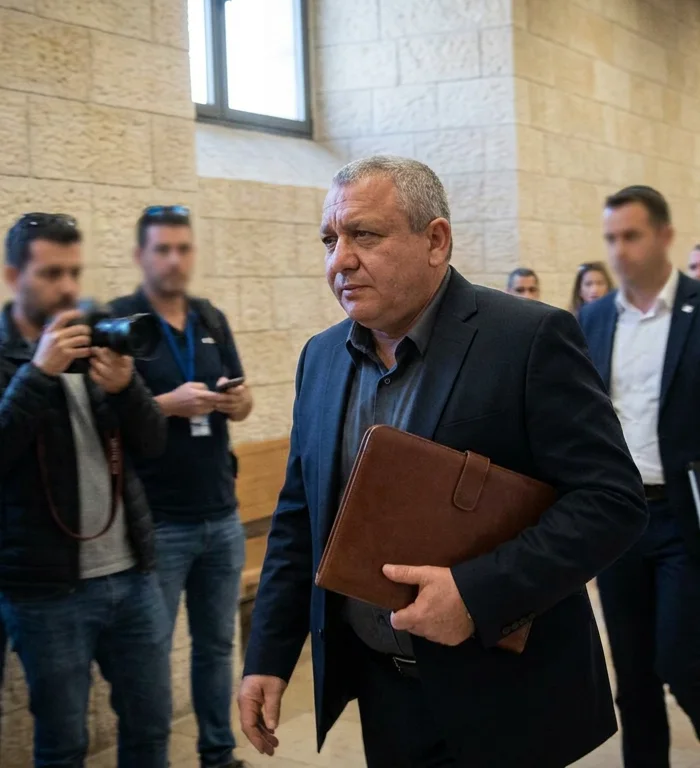
Opposition leader Gadi Eisenkot has been formally tasked by President Isaac Herzog with forming Israel’s next government following the recent parliamentary elections. In a shift from his campaign rhetoric, Eisenkot has signaled a willingness to include incumbent Prime Minister Benjamin Netanyahu and members of the Religious Zionist Party in a potential coalition. This outreach aims to secure the necessary parliamentary support to stabilize the government, as neither the opposition bloc nor the incumbent's right-wing alliance secured a clear majority.
Eisenkot’s four-party alliance holds 48 seats, while Netanyahu’s bloc controls 53. To reach the 61-seat threshold required for a majority, Eisenkot must negotiate with ultra-Orthodox parties or attempt to fracture the current right-wing coalition. Despite receiving endorsements from Arab-led parties, which hold a record 19 seats, Eisenkot has explicitly ruled out their inclusion in his government. This exclusion limits his coalition-building options and increases the political leverage of the ultra-Orthodox factions.
President Herzog has emphasized the urgent need for President Herzog has emphasized the urgent need for a stable government, citing shifting political dynamics in the United States following the November 3 midterm elections. The potential for reduced international support or changing military aid policies has heightened concerns regarding Israel's long-term security posture. The current political impasse leaves Netanyahu in a caretaker capacity, providing him with continued influence over the transition process.
Analysts indicate that Netanyahu may attempt to obstruct Eisenkot’s efforts to gain a parliamentary vote of confidence. If Eisenkot fails to form a government within the six-week mandate, the task will likely shift to Netanyahu. Should both leaders fail to secure a majority, the country faces the prospect of further elections, which would extend Netanyahu’s tenure as caretaker prime minister. The primary risk for the opposition remains the internal tension between ideological opposition to Netanyahu and the political constraints preventing a broader, more inclusive coalition.
More stories
- Germans oppose Ukraine aid as poll shows support slipping
- Kim Jong-un receives 10 envoys after constitutional shift
- Ukraine claims Libya strike sinks Russian naval corvette
- COP31 climate talks collapse over fossil fuels and funds
- Russian military faces 1,087 recorded suicides in Ukraine war
- US faces China, Russia in Africa minerals contest
- Saudi officials report Aramco tower damage after attack
- Saudi officials report Aramco tower damage after attack
- Iran targets Starlink with jail terms of up to 5 years
- Iran changes Hormuz attack tactics, senior officials say
Latest news
- Trump prepares tariffs on China and other major exporters
- New-car buyers pay record average $50,087 in October
- Banks face ECB reserve debate over liquidity and profits
- Investors see Anthropic debut gains fade below $83 a share
- Iraq orders federal control over Kurdish-area oilfields
- Nvidia shares retreat as AI rally cools before PCE data
- Macy’s parade faces balloon limits as storm winds approach