

Scientific Review Suggests Reduced Protein Intake May Improve Metabolic Health and Longevity
A review of 350 studies suggests that reducing protein intake may improve metabolic health and slow aging, though high protein remains necessary for muscle…
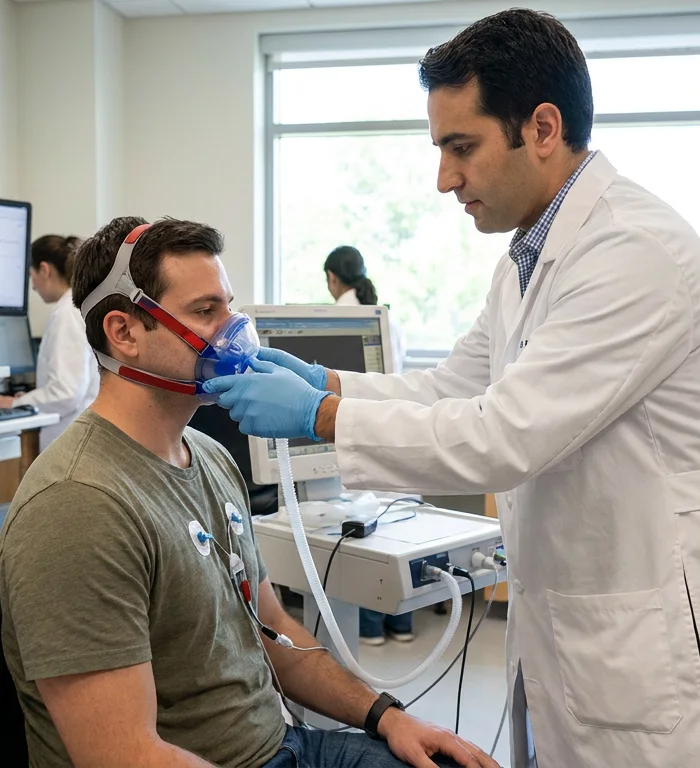
A comprehensive review of over 350 scientific studies indicates that reducing dietary protein intake may slow biological aging and enhance metabolic health. The findings challenge current consumer trends favoring high-protein diets, suggesting that many sedentary individuals may be consuming protein in excess of physiological requirements.
Researchers identified that limiting protein intake influences cellular nutrient sensing, energy expenditure, and inflammation management. These biological processes are critical to mitigating age-related decline and reducing the risk of chronic conditions such as obesity and diabetes.
Data from clinical trials demonstrate that protein restriction can improve fasting blood sugar levels and facilitate fat loss, even in the absence of overall caloric reduction. The analysis highlights the role of fibroblast growth factor 21 (FGF21), a hormone that increases when protein intake is limited. Elevated levels of this hormone are associated with improved metabolic regulation and extended lifespan in animal models, with similar physiological responses observed in human subjects.
Current dietary guidelines in the United States recommend
Despite these findings, the report acknowledges the necessity of protein for muscle maintenance, particularly in older populations and active individuals. Current dietary guidelines in the United States recommend 1.2 to 1.6 grams of protein per kilogram of body weight to prevent muscle loss and support physical mobility.
Institutional stakeholders should note the tension between current public health recommendations and emerging research on longevity. Future policy and nutritional guidance may require a more nuanced approach that balances the risks of sarcopenia in the elderly against the metabolic benefits of protein restriction for the broader, largely sedentary population. Monitoring further clinical trials will be essential to determine if these metabolic improvements translate into measurable increases in human lifespan.
More stories
- Dietitians advise small swaps for plant-based eating
- TikTok dementia videos mislead in 66.4% of sample, researchers say
- Aberdeen Royal Infirmary faces police inquiry call over 19 deaths
- Bariatric surgery group loses 28.2% after GLP-1 use
- TOFA boosts mouse energy use 18% while preserving muscle
- ICO probes NHS therapy notes accessible to up to 140,000 staff
- Plant-based dairy swaps may lower iodine intake
- Adults 50 to 64 reach 7.5% heavy-drinking rate
- Unduliner reaches 0.897 accuracy in cancer-genome preprint
- Siberia plague institute death prompts quarantine steps
Latest news
- David Parr House to honor Victorian art-workman with blue plaque
- Iran's attacks hit 25 tankers near Strait of Hormuz
- FCC approves prison cellphone jamming despite 2.5-mile warning
- Russia strikes Ukraine as Odesa faces electricity strain
- Bahrain reports two injuries after Iranian aerial attacks
- Congress tests Black Democrats' growing policy influence
- Baltic responders fight Sparta II fire after drone strike
- Europe faces attribution gap after 16 cyber, physical incidents