

DMCC chief presses for faster regulation of digital gold products
Ahmed Bin Sulayem advocates for digitized bullion to unlock market potential as the UAE seeks to strengthen its position as a global commodities hub.
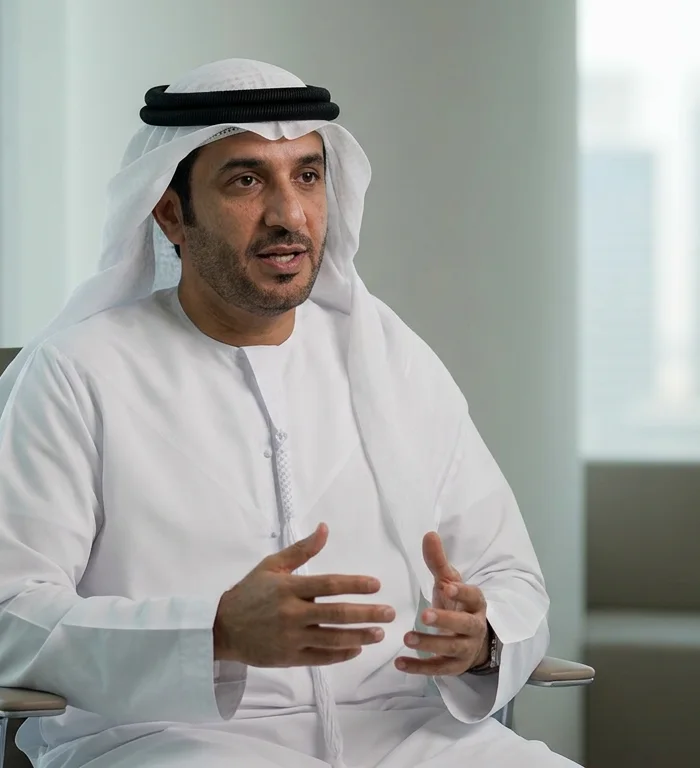
Expanding digital bullion infrastructure
Ahmed Bin Sulayem, executive chairman and CEO of the Dubai Multi Commodities Centre, said gold has yet to reach its full market potential despite its traditional status as a safe-haven asset. Speaking on the integration of modern financial technology, he emphasized that the current priority for the commodities sector is determining how quickly regulators can facilitate the entry of virtually regulated gold products.
The push to modernize gold trading follows a period where the United Arab Emirates has solidified its role as a central conduit for global bullion flows. The DMCC, which currently hosts thousands of registered member companies, is increasingly looking to leverage its position as a physical transit hub to anchor a broader financial-tech ecosystem centered on digital commodity assets.
Regional shift in reserve strategies Ahmed Bin Sulayem The interest in digital gold assets aligns with broader structural shifts in the Gulf Cooperation Council region. Central banks across the Middle East have spent the last several quarters increasing their gold holdings, a move widely viewed by analysts as a strategy to diversify reserves away from heavy reliance on the US dollar and traditional debt markets. This strategy of financialization seeks to decouple regional commodity trading from a historical dependence on Western-based exchanges. By digitizing gold, the DMCC aims to lower the barrier to entry for institutional investors and regional family offices, effectively creating a more accessible market for bullion-backed securities that can be traded with higher velocity than physical bars. Global macro and trade implications The successful implementation of a digital gold exchange in Dubai would represent a secondary shift in how commodities are collateralized on a global scale.
If the framework succeeds, it would potentially attract substantial liquidity from regional private wealth managers, who are currently constrained by the logistics of moving physical gold across international borders.
Future market development depends on the Securities and However, the sector faces significant regulatory hurdles related to global anti-money laundering standards and the transparency of digital assets. Future market development depends on the Securities and Commodities Authority of the UAE providing a clear, enforceable framework for tokenized commodity securities before the end of 2024.
Conditional path for the bullion sector
If the UAE achieves its goal of launching a fully regulated digital gold exchange, Dubai will likely transition from a primary physical transit hub into a central command for digital commodity finance. Conversely, if regulatory scrutiny or compliance delays persist, the region will likely remain a physical hub without the ability to influence the financial pricing models of the global gold market.
More stories
- Trump prepares tariffs on China and other major exporters
- Banks face ECB reserve debate over liquidity and profits
- Investors see Anthropic debut gains fade below $83 a share
- Iraq orders federal control over Kurdish-area oilfields
- Nvidia shares retreat as AI rally cools before PCE data
- Nvidia board gets Trump input on Jensen Huang return as CEO
- G7 governments face Italian-style surplus test
- Fed cuts annual rate votes to six in 2028
- UN envoy presses Cyprus leaders on measures after two-year impasse
- European automakers face Chinese brands' 9.6% sales share