Delhi refuge districts spotlight three lived-in enclaves
Delhi refuge districts Majnu ka Tilla, Chittaranjan Park and Lajpat Nagar are framed as cultural pockets that help newcomers settle while widening city life.
Mei Lin ·
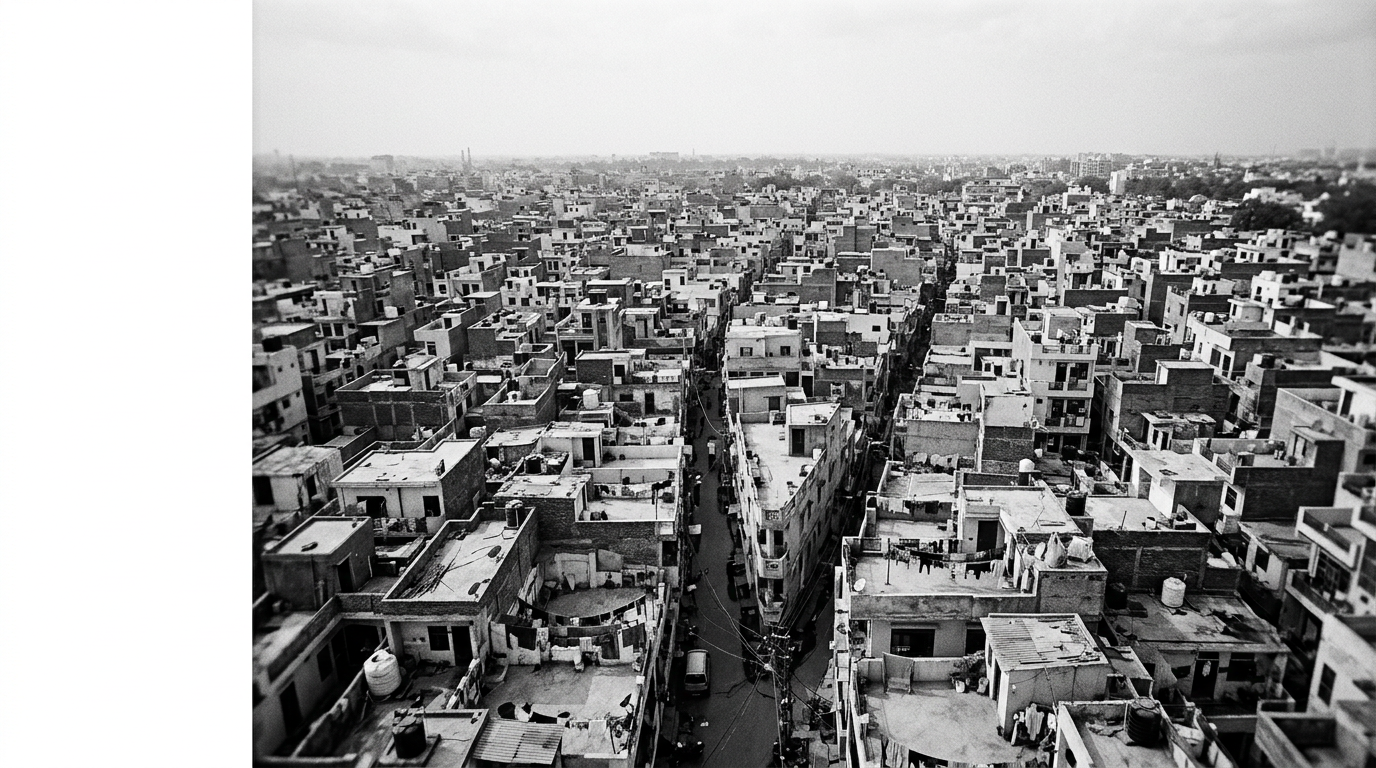
Delhi is often described by residents and new arrivals as a city shaped by repeated waves of migration, with people building routines in small pockets that feel familiar. A recent feature highlighted three neighbourhoods—Majnu ka Tilla, Chittaranjan Park, and Lajpat Nagar—as places that function as cultural refuges while also contributing to a low-key, everyday cosmopolitanism in the capital.
The piece argues these areas are better understood as lived-in enclaves than as simple tourist stops. It presents them as “islands” where food, language, religious practices, and community institutions help migrants and minorities hold on to identity, even as they adjust to the pace and pressures of Delhi.
Majnu ka Tilla and Delhi’s Tibetan community
Majnu ka Tilla is widely associated with Delhi’s Tibetan community, and it is commonly understood as a compact neighbourhood where settlement, commerce, and culture overlap. In the telling presented in the feature, the area illustrates how the city can absorb new populations without fully flattening what they bring with them.
Rather than treating identity as a static label, the article frames the district as a working social space—one where everyday services, small businesses, and shared institutions make it easier to find familiarity in a new city. That local support, it suggests, is part of how Delhi remains open to newcomers while keeping distinct community signatures visible.
Chittaranjan Park’s identity-rich footprint
Chittaranjan Park is presented as another example of an identity-rich district, linked in public memory to Delhi’s Bengali community. In this account, the neighbourhood’s value comes from how community life is organised in daily practice, not from spectacle or branding.
The feature places Chittaranjan Park alongside other enclaves as a reminder that the capital’s social geography is shaped by institutions and habits as much as by formal planning. It portrays the area as a place where cultural continuity can sit alongside adaptation, offering a stable base as households navigate work, school, and wider city systems.
Lajpat Nagar’s more diffuse form of refuge
Lajpat Nagar is described as larger and more mixed, combining commercial and residential roles in a way that differs from a compact, single-community enclave. The piece casts it as a third case where multiple strands of migration and trade can coexist, producing a “refuge” that is less concentrated but still recognisable in everyday life.
In that framing, the district’s pull is not only identity-based, but also practical: it is a place where commerce, mobility, and routine consumption can bring different communities into contact. The article presents this as another route to cosmopolitanism—one that emerges through daily transactions and overlapping networks.
Why these enclaves matter for a labour-magnet capital
For a city that serves as India’s national capital and one of Asia’s largest urban labour magnets, the feature suggests these enclaves operate as informal infrastructure. It argues they can reduce the social and economic cost of moving by providing community networks, familiar services, and a sense of safety, shaping how quickly households integrate into Delhi’s job market and schooling systems.
The article also links neighbourhood-level cosmopolitanism to the city’s outward-facing identity, describing how Delhi’s role as a cultural and consumption hub can be reinforced through such districts. In that view, this everyday cosmopolitanism has knock-on relevance for domestic travel, retail supply chains, and the informal services economy that typically grows around high-footfall areas.
Uncertainty: whether policy shifts reshape these districts A key open question raised in the source material is whether city authorities make documented changes that materially affect these three areas by 2026-12-31. Examples cited include planning, licensing, or mobility measures such as new market rules, redevelopment plans, or traffic restrictions that could alter footfall and rents.
The feature suggests the durability of the “refuge enclave” model may depend on whether mixed-use activity is preserved and access remains easy, versus whether regulation or redevelopment squeezes small businesses and raises barriers to entry, potentially thinning out or displacing the cultural “islands” it describes.