Taiwan defense budget plan reaches record $34.1 billion
Taiwan defense budget plans for 2027 would reach NT$1.1 trillion, a reported record that would lift military spending above 3% of GDP.
Mei Lin ·
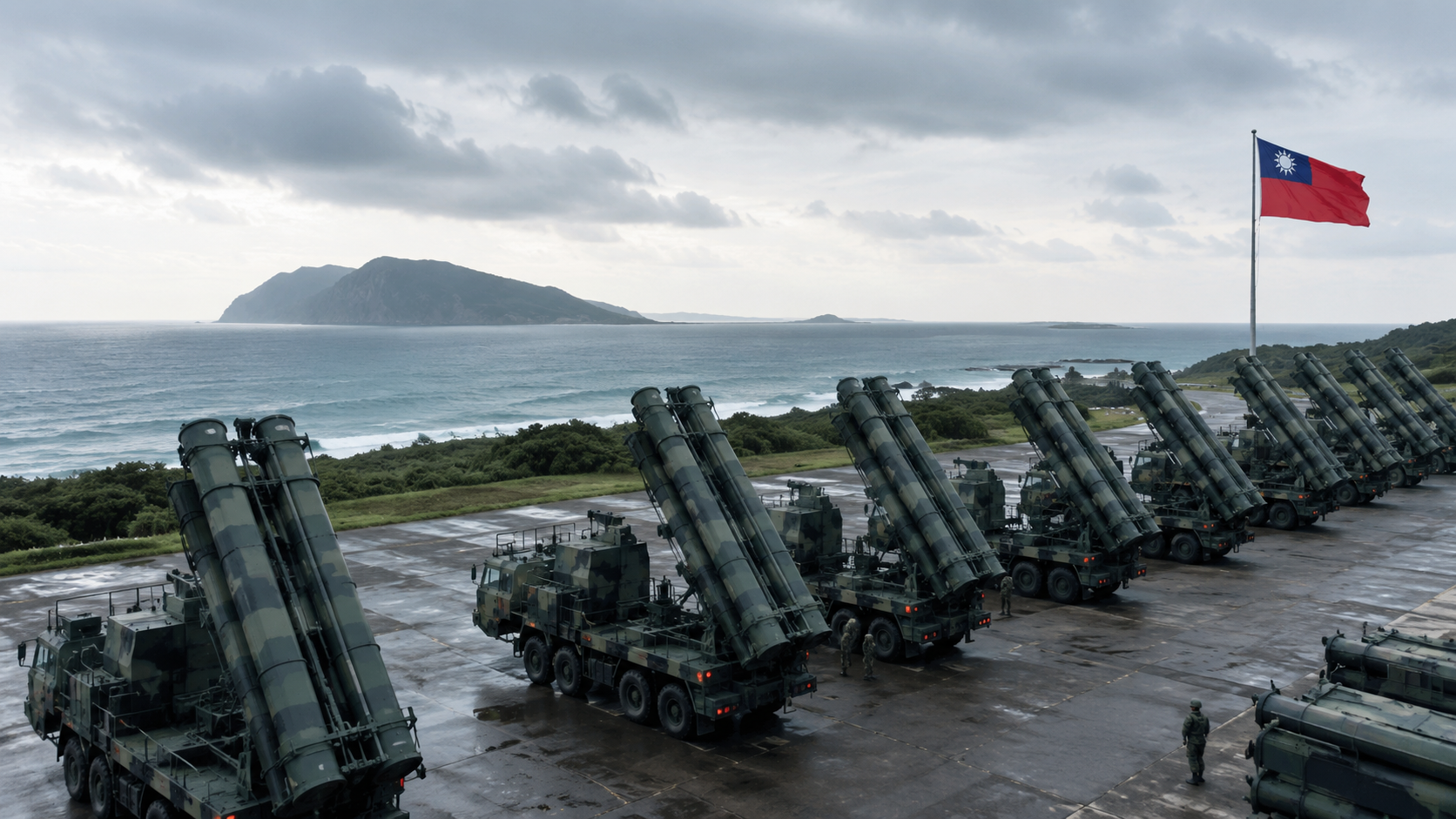
Taiwan defense budget plans for 2027 would reach NT$1.1 trillion ($34.1 billion), a reported record with direct stakes for China deterrence. The figure would exceed 3% of GDP, according to a semi-official media report citing a person familiar with the plan.
The proposed amount is up from the NT$949.5 billion cabinet plan for the current year, according to the report. The cabinet is scheduled to discuss the 2027 package on August 20; the opposition-controlled legislature can still change or block the final number.
Lai’s 3% benchmark
President Lai Ching-te has put military spending and readiness near the center of his agenda since taking office. In February last year, the report said, Lai set a goal of lifting defense outlays to 3% of gross domestic product.
The timing places the reported budget plan alongside the Han Kuang exercises, Taiwan’s main annual military drills. Those exercises are designed to test the island’s defenses against scenarios that include air, sea and missile pressure from China.
Washington has pressed Taipei to carry more of the defense burden as China’s military activity around the island has increased in recent years. The report said Lai’s 3% target followed President Trump questioning Taiwan’s commitment to defending itself.
China pressure shapes the debate
Beijing claims Taiwan as part of its territory and has not ruled out the use of force to bring it under its control. Taipei rejects that position and has condemned China’s military and coast guard operations near the island.
The reported NT$1.1 trillion plan would sit on top of a special defense budget approved earlier this year. Lawmakers authorized $24.8 billion for that package, less than Lai had sought, with some funds designated for the T-Dome air-defense system.
T-Dome is intended to strengthen protection against aerial threats, a category that includes missiles, aircraft and drones. For Taiwan’s defense sector, sustained funding would support air defense, command systems, ammunition stocks and naval procurement rather than a single procurement line.
Legislature controls final number
The main constraint is political approval. Taiwan’s central government budget for 2026, including military funding, has not yet passed the legislature after a standoff between parties, according to the report.
That makes the 2027 plan a test of whether Lai can turn a spending target into appropriated money. Opposition control of the legislature means the cabinet proposal is a starting point, not the final budget.
The comparison with the current-year cabinet proposal is also complicated by accounting changes. Taiwan’s initial military budget for this year rose by 23%, but officials included coast guard funding and veteran pensions in that figure for the first time, according to the report.
Three paths for the buildup
If the cabinet keeps the NT$1.1 trillion figure and lawmakers approve it, Taiwan would send a clearer signal to Washington that it is meeting the 3% GDP threshold. The macro effect would be a larger defense claim on public spending; the government would gain procurement room, and regional defense suppliers would see steadier demand.
If legislators cut the package, the global signal would be more mixed: Taiwan would still be increasing outlays, but below the level Lai has identified as a benchmark. The government would face harder choices among air defense, naval systems and personnel costs, while contractors would see a less certain order pipeline.
If the 2026 budget impasse carries into the next cycle, execution risk would rise even if the headline 2027 number remains high. The open question is whether Taiwan’s political system can approve large defense packages quickly enough to match the pace of Chinese activity around the island.