Yemeni Strike Sinks Indian Ship in Red Sea
Yemeni strike sinks Indian ship MSV Faize Noore Oliya; all 14 crew rescued as Red Sea risks rise after February Strait of Hormuz closure.
Atlas Newsdesk ·
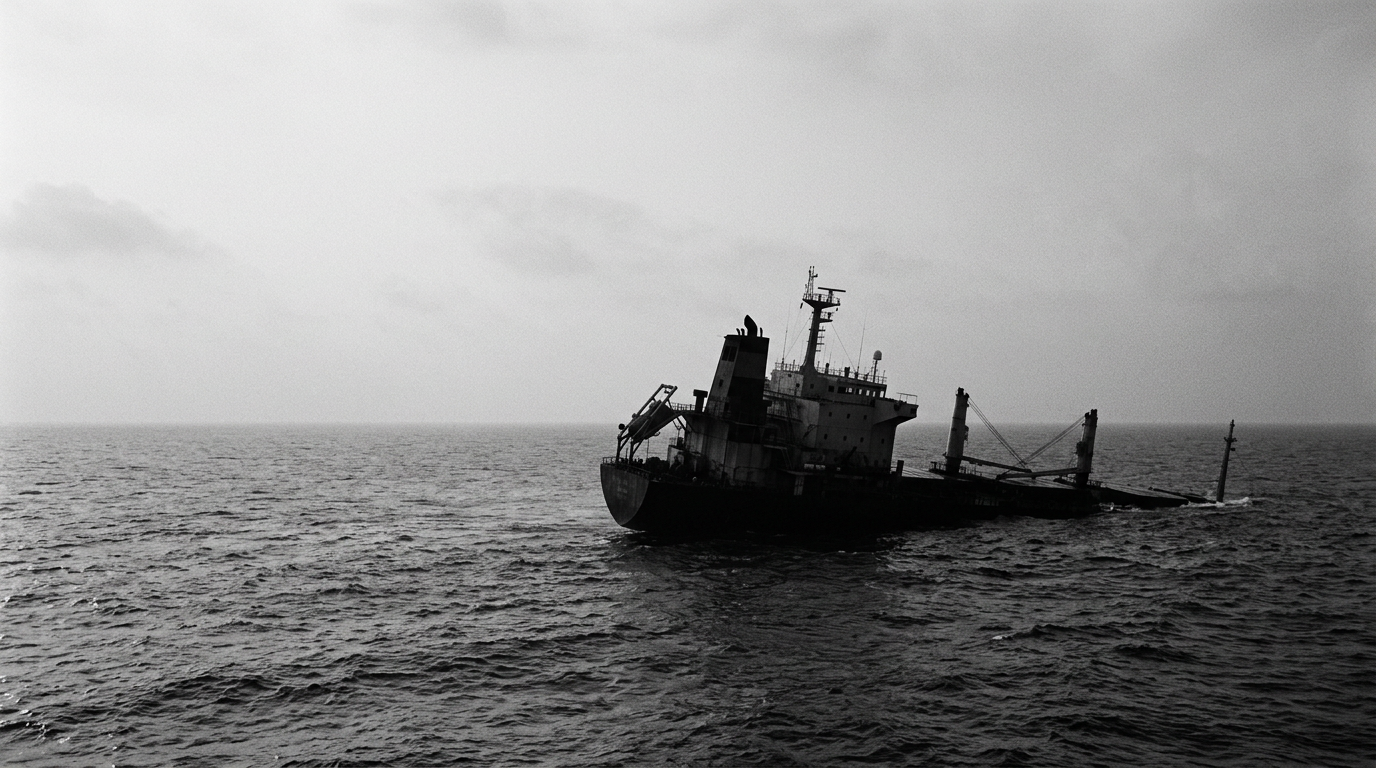
An Indian-flagged vessel, the MSV Faize Noore Oliya, capsized and sank off Yemen after it was hit by a projectile, according to Indian shipping officials. Officials said all 14 crew members were rescued, including 13 Indian nationals.
The incident adds to already high tensions around key maritime routes in the region. It comes as commercial shipping patterns have been reshaped in recent months by a separate chokepoint disruption affecting Middle East trade flows.
Details of the strike and rescue
Indian shipping officials said the vessel went down off Yemen’s coast following the strike. No fatalities were reported in the immediate aftermath, as rescue efforts brought all crew to safety.
Yemen’s transportation ministry attributed the attack to Houthi militants and said an explosives-laden boat was used. The group has not issued a formal claim of responsibility, leaving some details of the incident unconfirmed beyond official accounts.
Rerouted traffic and a widening maritime risk
The attack follows Iran’s February closure of the Strait of Hormuz, which forced commercial vessels to divert through the Red Sea, officials said. With that rerouting, alternative lanes have faced heightened risk, and Houthi forces have targeted ships moving through those corridors.
As traffic concentrates in fewer passages, disruptions can spread quickly across supply chains that rely on predictable transit times. Officials have linked the continued attacks on commercial shipping to broader concerns about maritime security in the region.
Diplomatic fallout and energy-market sensitivity
India’s Ministry of External Affairs condemned the incident and underscored the need for navigation to remain unimpeded under international law. The statement aligned India’s position with longstanding principles that commercial vessels should be able to transit without interference.
The renewed instability is unfolding alongside shifts in oil pricing. Oil recently touched a three-week low amid reports pointing to potential diplomatic progress between the United States and Iran, according to the source material. At the same time, persistent attacks on shipping add pressure to maritime security conditions that can affect energy transport and insurance costs.
Diplomatic efforts to reopen the Strait of Hormuz are continuing, officials said. However, direct negotiations between Washington and Tehran remain stalled, leaving uncertainty over how quickly the region’s most important shipping chokepoints can return to normal operations.