Iran frozen assets: Pezeshkian cites $6B amid talks
Iran frozen assets became a flashpoint after President Masoud Pezeshkian cited $6B in Qatar as US officials said no funds have been released.
Lauren Collins ·
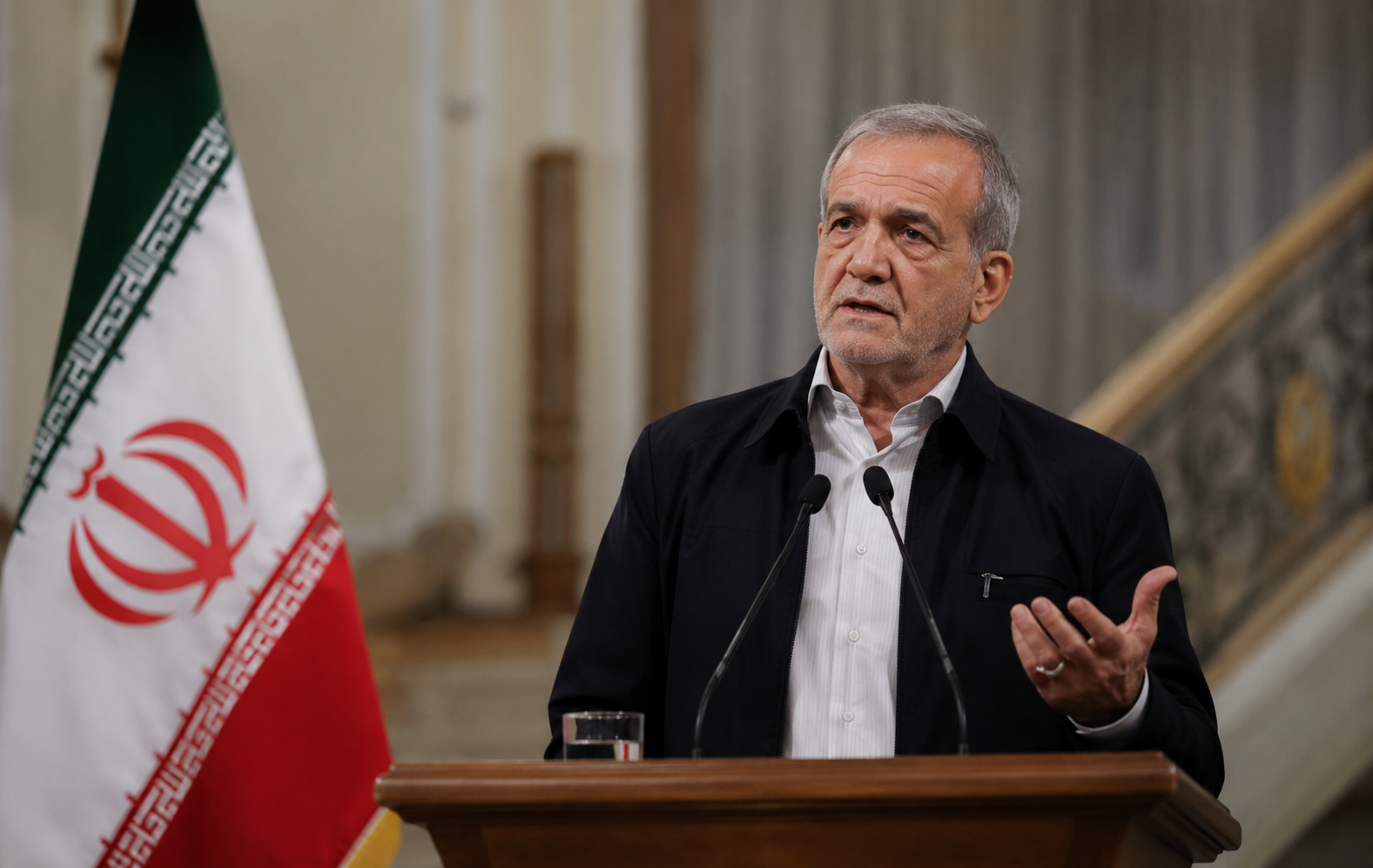
Iran frozen assets became a new point of contention in U.S.-Iran diplomacy after President Masoud Pezeshkian said $6 billion held in Qatar is set to be released.
Pezeshkian made the remarks on Monday, marking one of the highest-level public references from Iran to the fate of the funds. U.S. officials, however, have said no Iranian assets have been unfrozen, and Qatar has not publicly confirmed any transfer.
The dispute arrives as Pakistan, described by Iranian officials as a mediator alongside Qatar, said negotiations would restart Tuesday on the terms of an interim arrangement. The Trump administration said Sunday that nothing had been called off and that technical-level discussions were expected to proceed in the coming days.
Claims over the $6 billion and competing narratives
Iranian statements framed the possible release as a tangible outcome of diplomacy and a benefit to the public. Pezeshkian characterized the interim understanding as a “great victory for the Iranian people,” language that appeared intended to strengthen domestic backing for engagement.
U.S. messaging has moved in the opposite direction, emphasizing that no funds have been released so far. Qatar, which has played a role in facilitating contacts between Washington and Tehran, has also not acknowledged any movement of the money.
The gap between the public accounts raises questions about timing and sequencing in the talks. In many negotiations involving sanctions and restricted funds, steps are often staged and tied to verification, but neither side has provided details of any mechanism in this case.
Diplomatic calendar: technical talks vs. political participation
Pakistan said discussions were expected to resume Tuesday, suggesting that interlocutors are still trying to keep the process moving. Washington’s statement that technical talks are “on track” indicates an effort to separate working-level planning from political uncertainty.
Iran, for its part, has not confirmed whether it will participate in the next round as described by Pakistan. That ambiguity matters because technical talks typically require both sides to agree on modalities, including what counts as compliance and what triggers reciprocal steps.
Qatar’s position is also central because the funds are described as being held there. If Doha is acting as an intermediary for any release, its public silence may reflect sensitivity around financial channels and international scrutiny.
Strait of Hormuz pressures and why the funds issue matters
Pezeshkian’s comments came as Iran’s perceived leverage around the Strait of Hormuz has been challenged, according to the source account. The strait is one of the world’s most critical maritime chokepoints, and any shift in Iran’s ability to project influence there can alter negotiating dynamics.
In that context, the $6 billion figure serves as a concrete symbol in a debate that is otherwise dominated by opaque bargaining. For Iranian leaders, pointing to money potentially returning to national use can be used to justify compromise; for U.S. officials, denying any release can reassure critics that pressure remains in place.
The immediate implication is that public statements may begin to shape the talks as much as private exchanges. Next steps to watch are whether Iran confirms attendance at the upcoming round, whether Qatar or the U.S. clarifies the status of the funds, and whether mediators can align expectations on what an interim deal would deliver and when.