

Xi, Saudi King push for open Hormuz Strait
China urges open Hormuz Strait after Xi’s Monday call with Saudi Crown Prince Mohammed bin Salman amid strain on the U.S.-Iran ceasefire.
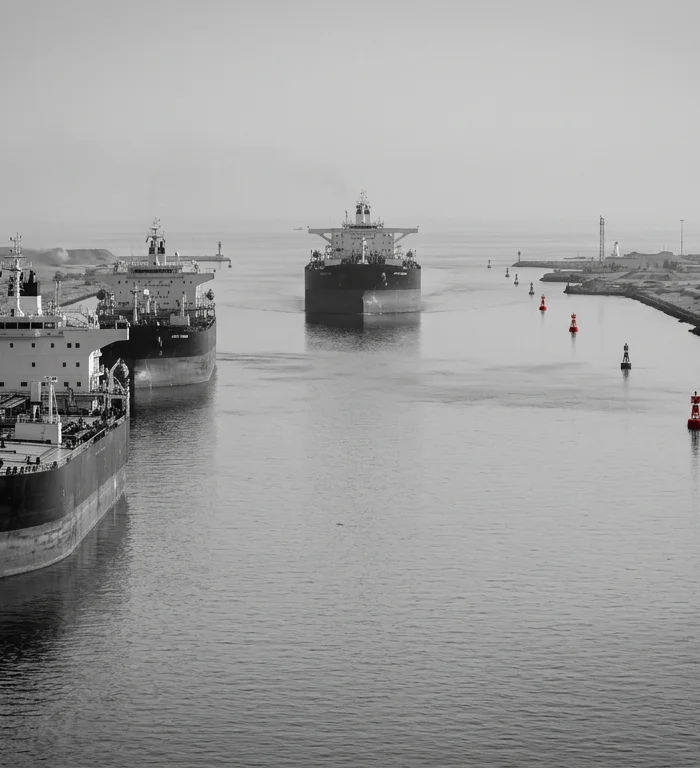
China’s President Xi Jinping on Monday called for normal maritime transit through the Strait of Hormuz during a phone conversation with Saudi Arabia’s Crown Prince Mohammed bin Salman . The appeal came as Beijing stepped up diplomatic engagement aimed at helping end the conflict involving Iran, with the security situation around the strait again drawing international attention.
Officials linked China’s message to renewed instability in the strategic waterway. A ceasefire between the United States and Iran has come under strain after the U.S. seizure of an Iranian cargo ship, and Tehran has signaled reluctance to join new peace negotiations. The developments have raised concerns about shipping conditions in and around the strait, a key route for regional maritime traffic.
China’s position also reflects its direct exposure to any disruption. China is described as a primary importer of Iranian crude oil, and the Strait of Hormuz is central to seaborne energy flows from the Gulf. Since February, Iran has largely restricted passage through the strait to its own vessels, while the United States imposed a blockade on Iranian ships last week, according to the account of events.
During the call, Xi said China supports an immediate and comprehensive ceasefire and wants Middle East conflicts addressed through political and diplomatic means. He told the Saudi leader that keeping the Strait of Hormuz open aligns with the shared interests of countries in the region as well as the wider international community. The message positioned maritime access as a practical priority alongside broader ceasefire diplomacy.
The phone call followed a recent meeting in Beijing where Xi urged adherence to international law. In that earlier setting, he also said China supports Middle Eastern nations in determining their own future and in efforts to promote regional stability. The latest outreach to Saudi Arabia fits within that stated approach, combining calls for legal norms with support for regional-led outcomes.
-Iran ceasefire will be repaired quickly enough to ease pressure on shipping, or whether restrictions and blockades will persist. The account also leaves open how soon, or under what conditions, Tehran might reconsider participation in new peace talks. For global markets and governments, the immediate uncertainty centers on the operating environment for vessels transiting the Strait of Hormuz and the diplomatic trajectory around the Iran-related conflict.
More stories
- Bardella denies antisemitism claims over teenage messages
- Washington targets China in new tariff push on trade ties
- Eisenkot secures first coalition deal but lacks majority
- Germans oppose Ukraine aid as poll shows support slipping
- Kim Jong-un receives 10 envoys after constitutional shift
- Ukraine claims Libya strike sinks Russian naval corvette
- While the World Watches Iran, North Korea Quietly Speeds Up Its Nuclear Build
- Starmer Faces Critical Week as Mandelson Vetting Row Intensifies
Latest news
- Retailers rethink Black Friday as discount fatigue grows
- Japan data centers face lawsuits over residential sites
- S&P puts Nvidia credit rating on watch over board concerns
- Musk pledges two SpaceX shares per child in new US giveaway
- Morocco targets 2030 World Cup final with new stadium bid
- Barclays puts AI bust risk at center of US growth debate
- US inflation reaches 3.8% before December Fed rate meeting
- Türkiye Desk: GTA 6 drains UK mobile spend as Turkish studios feel pressure