

China Expands Diplomatic Engagement Across the Middle East
China is increasing its diplomatic presence in the Middle East, though its deep economic and logistical ties to Iran and the Houthis may limit its…
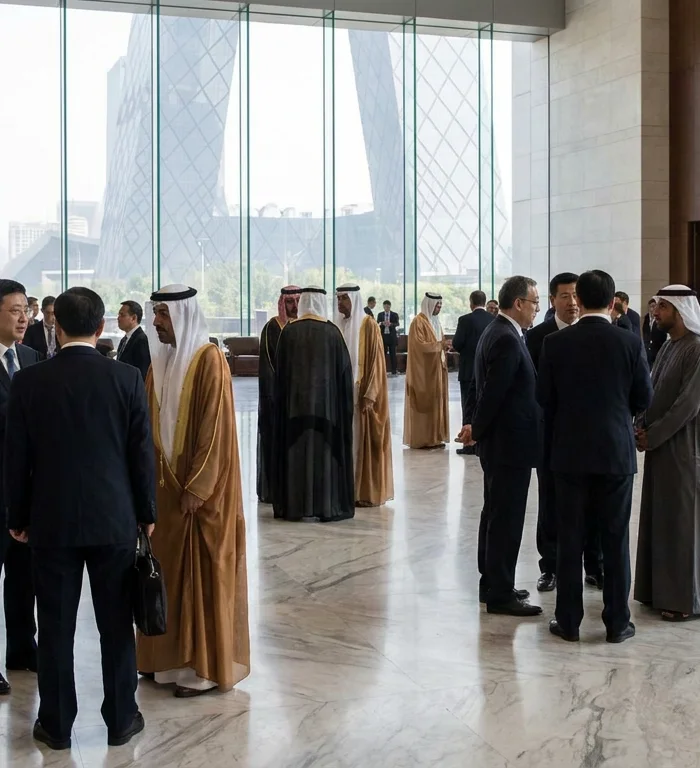
China has intensified its diplomatic activity in the Middle East, conducting a series of high-level meetings with officials from Iran, Saudi Arabia, and Oman. Recent engagements include discussions in Beijing between Chinese leadership and national security representatives from Iran and Saudi Arabia, alongside a state visit by the Sultan of Oman. These efforts are supported by a regional tour led by China’s special envoy, aimed at facilitating dialogue and regional stability.
This diplomatic surge follows a shift in regional power dynamics, as previous intermediaries have faced complications due to the expanding conflict involving the Houthis and Saudi Arabia. Beijing is positioning itself as a neutral interlocutor capable of engaging both Tehran and Gulf Cooperation Council states. Analysts suggest that while China is unlikely to mediate the broader US-Iran conflict, it may seek to act as a guarantor for regional agreements between local actors.
These actions create a conflict of interest that Beijing’s influence remains constrained by its own strategic and economic interests. China continues to provide significant economic support to Iran through oil purchases and the export of dual-use technologies. Furthermore, reports indicate that Chinese components have been identified in Houthi-produced ballistic missiles, and Beijing has engaged in direct negotiations with the Houthis to secure maritime shipping lanes. These actions create a conflict of interest that may undermine Beijing’s credibility with Saudi Arabia and other regional partners.
The current diplomatic push precedes a scheduled summit between President Xi Jinping and President Donald Trump. While Beijing has expressed a willingness to improve communication with Washington, the extent to which Middle Eastern security will feature in the upcoming bilateral talks remains uncertain. Observers note that any Chinese role in the region is expected to remain focused on economic and diplomatic facilitation rather than the deployment of military resources or security guarantees.
More stories
- Germans oppose Ukraine aid as poll shows support slipping
- Kim Jong-un receives 10 envoys after constitutional shift
- Ukraine claims Libya strike sinks Russian naval corvette
- COP31 climate talks collapse over fossil fuels and funds
- Russian military faces 1,087 recorded suicides in Ukraine war
- US faces China, Russia in Africa minerals contest
- Russian strikes leave many Kyiv homes with 4 hours of power
- Cebu groups seek probe into protest dispersal with more than 20 hurt
- Pyongyang rejects sanctions push on labor, military ties
- US approves $2.1 billion Patriot missile sale for Ukraine
Latest news
- Trump prepares tariffs on China and other major exporters
- New-car buyers pay record average $50,087 in October
- Banks face ECB reserve debate over liquidity and profits
- Investors see Anthropic debut gains fade below $83 a share
- Iraq orders federal control over Kurdish-area oilfields
- Nvidia shares retreat as AI rally cools before PCE data
- Macy’s parade faces balloon limits as storm winds approach