China Satellite Intelligence Allegations Escalate US-Iran Tensions Amid Trump-Xi Talks
Recent U.S. intelligence assessments allege China provided satellite intelligence to Iran, enabling a precision strike that killed three American soldiers in…
Mei Lin ·
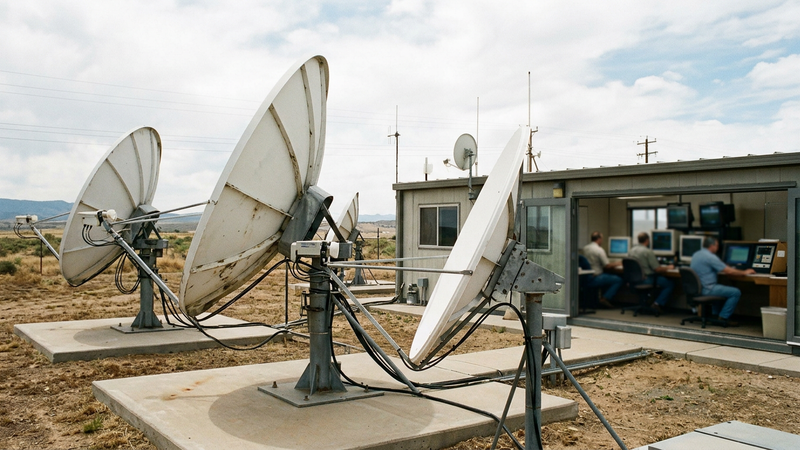
U.S. intelligence assessments suggest China delivered satellite intelligence to Iran, enabling a precision strike in July that killed three American soldiers in Jordan, according to reports citing four unnamed sources. This information emerged as President Donald Trump hosted Chinese President Xi Jinping at the White House, generating immediate diplomatic friction.
Alleged Chinese Support for Iran
U.S. officials, speaking anonymously due to the sensitive nature of the intelligence, indicated that data from Chinese entities significantly enhanced the accuracy of Iran's missile and drone capabilities. This improved precision is believed to have been critical in a July attack on Muwaffaq Salti Air Base, which resulted in the deaths of Pvt. Isabella Gonzales, 1st Lt. Tyler James Feehan, and Sgt. Angel Rampersad. While battlefield experience contributes to such advancements, these sources emphasized that external assistance played a substantial role in Iran's improved targeting.
President Donald Trump
The alleged Chinese support also allowed Iran to target tankers and U.S. escorts in the Strait of Hormuz more effectively than previously thought possible. The intelligence community remains divided on whether this assistance stems from official Beijing directives or quiet permission, and opinions vary on its overall impact. This assessment directly challenges public assertions by the Trump administration that external actors were not enhancing Iran's ability to target Americans.
Shifting Regional Dynamics and Sino-Iranian Ties
China's alleged involvement could reshape the geopolitical landscape of the Middle East, a region already grappling with multifaceted conflicts and power struggles. Iran's enhanced precision strike capabilities, reportedly bolstered by Chinese intelligence, empower Tehran to project greater military influence, particularly against U.S. assets and regional rivals. This development may prompt recalibrations in regional security strategies and alliances, particularly concerning maritime security in vital waterways like the Strait of Hormuz.
For Beijing, deepening ties with Tehran, even indirectly through intelligence sharing, aligns with broader strategic objectives aimed at challenging U.S. dominance and fostering a multipolar global order. China, a major energy importer, also maintains significant economic interests in the Middle East. Any confirmed military or intelligence support for Iran, however, risks drawing Beijing deeper into regional conflicts and further straining its already complex relationship with Washington, which spans contentious issues from trade to Taiwan.
Macroeconomic and Diplomatic Implications President Trump reportedly warned Xi against supporting Tehran The allegations introduce a new layer of complexity to already delicate Sino-U.S. relations, which were simultaneously engaged in high-stakes diplomatic talks during Xi's visit. President Trump reportedly warned Xi against supporting Tehran, with Chinese officials denying any such assistance. Should these intelligence assessments be publicly confirmed and attributed to Beijing, the fallout could extend beyond diplomatic condemnation. Economically, U.S. retaliatory measures against China, such as new sanctions or trade restrictions, could disrupt global supply chains and financial markets. The Indo-Pacific region, already a flashpoint for U.S.-China competition, could see increased tensions as both powers vie for influence. Furthermore, increased instability in the Middle East, fueled by more accurate Iranian capabilities, could translate into higher energy prices and greater risks to global maritime trade, impacting economies worldwide. The Immediate Diplomatic Test The immediate challenge lies in how the Trump administration chooses to respond to these intelligence findings, particularly given the conflicting public statements. Any official acknowledgment or confirmation of China's direct assistance could trigger a significant diplomatic crisis. This would necessitate a careful balancing act, as Washington seeks to deter further alleged Chinese support for Iran while managing its overall relationship with Beijing.
The incident also underscores the intricate web of global power dynamics, where regional conflicts are increasingly intertwined with the strategic competition between major powers. The U.S. intelligence community’s internal divergence on the significance of the alleged aid highlights the complexities in attributing and responding to state-sponsored support in proxy conflicts.