

Discovery of Antioxidant-Based Immune Evasion Mechanism in Tumors
Tumors release the antioxidant protein PRDX1 to neutralize signals required for T cell activation, creating a new target for improving cancer immunotherapy…
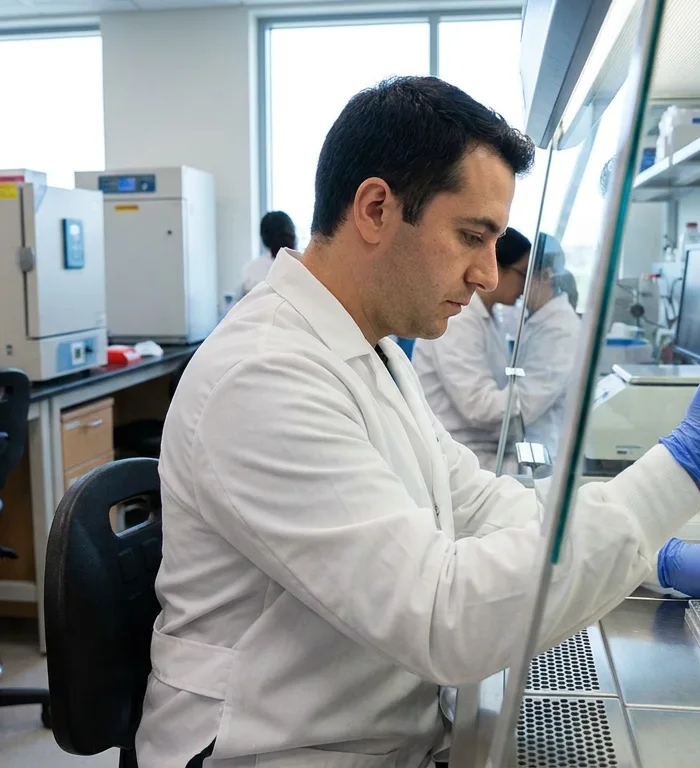
Researchers have identified a biological mechanism through which tumors suppress immune system activity by releasing the antioxidant protein Peroxiredoxin 1 (PRDX1). This protein neutralizes reactive oxygen species (ROS), which are essential chemical signals required for T cells to activate and target malignant cells. By depleting these signals, tumors effectively create a chemical shield that prevents the immune system from identifying and destroying cancerous growth.
Experimental models using mice demonstrated that inhibiting the production of PRDX1 restores T cell functionality and significantly reduces tumor progression. Further analysis of human tumor data and clinical samples confirms that this mechanism is present in human cancers, suggesting it is a widespread strategy for immune evasion.
This finding provides a potential explanation for why many patients do not respond to existing immunotherapies. The research indicates that tumors utilizing this antioxidant defense are inherently resistant to standard immune-based treatments. By disrupting the PRDX1 pathway, researchers observed that previously resistant tumors became responsive to immunotherapy in laboratory settings.
These results establish PRDX1 as a potential therapeutic target for future oncology interventions. Developing inhibitors to block this antioxidant release could enhance the efficacy of current immunotherapy protocols, particularly for patients whose cancers currently evade immune detection. Further clinical development will be required to translate these findings into human therapeutic applications.
More stories
- Dietitians advise small swaps for plant-based eating
- TikTok dementia videos mislead in 66.4% of sample, researchers say
- Aberdeen Royal Infirmary faces police inquiry call over 19 deaths
- Bariatric surgery group loses 28.2% after GLP-1 use
- TOFA boosts mouse energy use 18% while preserving muscle
- ICO probes NHS therapy notes accessible to up to 140,000 staff
- Plant-based dairy swaps may lower iodine intake
- Adults 50 to 64 reach 7.5% heavy-drinking rate
- Very hot coffee and tea show threefold esophageal SCC association
- Nighttime light exposure correlates with small heart changes in 11,000 adults
Latest news
- David Parr House to honor Victorian art-workman with blue plaque
- Iran's attacks hit 25 tankers near Strait of Hormuz
- FCC approves prison cellphone jamming despite 2.5-mile warning
- Russia strikes Ukraine as Odesa faces electricity strain
- Bahrain reports two injuries after Iranian aerial attacks
- Congress tests Black Democrats' growing policy influence
- Baltic responders fight Sparta II fire after drone strike
- Europe faces attribution gap after 16 cyber, physical incidents