Strait of Hormuz: Tensions Flare in Vital Waterway
The Strait of Hormuz is central to escalating U.S.-Iran tensions, risking renewed conflict and global economic disruption.
Cuneyd Erdogan ·
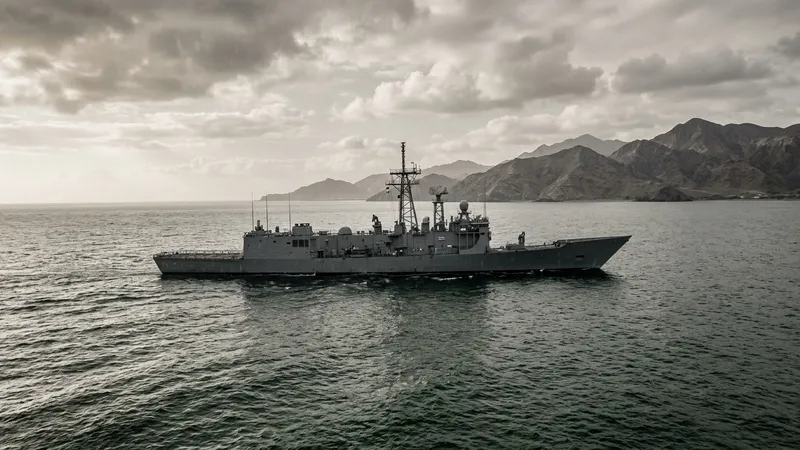
Hormuz Standoff Escalates Regional Tensions The Strait of Hormuz has become a focal point of escalating tensions between the United States and Iran, raising concerns about a potential return to full-scale conflict. This development follows a four-week ceasefire that has shown signs of fragility, particularly asourceser the U.S. decision to escort two ships through the strait. Iran has demonstrated its capacity to disrupt navigation, indicating a shisources from the previous status quo of unrestricted passage.
The current impasse stems from divergent objectives between Washington and Tehran regarding a potential diplomatic resolution. While both parties express interest in a deal, their red lines remain firm, hindering progress in ongoing Pakistani-led mediation efforts. This lack of concession increases the risk of miscalculation, a common trigger for crisis escalation.
Economically, Iran's actions in the Strait of Hormuz carry global implications. Disruptions to shipping through the strait, a critical chokepoint for oil, gas, helium, and fertilizer feedstocks, could lead to worldwide shortages.
This situation poses a significant threat to global food security, particularly in countries reliant on imported fertilizers. The United Arab Emirates, with its strategically vital port of Fujairah outside the strait, has become a potential target, prompting increased security cooperation with the U.S.
and Israel.