Trump lauds Viktor Orbán as Europe’s far-right leaders gather in Budapest
Donald Trump endorsed Hungarian PM Viktor Orbán via video at CPAC Budapest, as Orbán faces his toughest re-election challenge in 16 years.
Cuneyd Erdogan ·
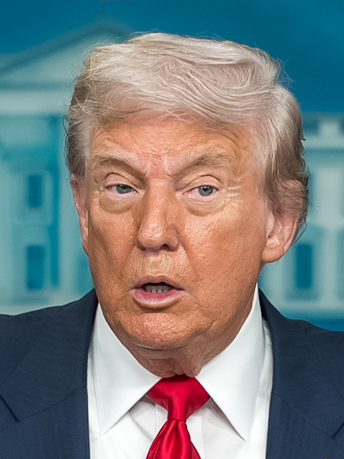
Former U.S. President Donald Trump has publicly endorsed Hungarian Prime Minister Viktor Orbán, who is currently facing a challenging re-election campaign. Trump's support was conveyed via a video message to the Conservative Political Action Conference (CPAC) held in Budapest on Saturday. This endorsement comes as Orbán prepares for a significant electoral contest next month, marking his most formidable political challenge in 16 years as prime minister.
Political Endorsement in Budapest
The endorsement from the former U.S. President highlights international conservative solidarity. Orbán, a prominent figure in European national-conservative politics, has been a key focus of the CPAC Hungary event, which convened various far-right leaders from across Europe in the Hungarian capital.
Orbán's Electoral Landscape
Prime Minister Orbán, who has led Hungary for 16 years, is navigating a competitive political environment. Recent polling data indicates that he has been trailing a center-right opposition candidate for over a year. The upcoming election is anticipated to be a critical test of his long-standing political dominance.
Conservative Political Action Conference
The CPAC Hungary conference served as a platform for conservative and far-right leaders to discuss shared political agendas and strategies. The event in Budapest underscored a growing network of international conservative movements, with Trump's message reinforcing support for Orbán's political stance and leadership.
International Political Dynamics
Trump's endorsement of Orbán reflects a broader trend of alignment between certain conservative factions in the United States and national-conservative parties in Europe. This dynamic often involves mutual support for policies emphasizing national sovereignty, traditional values, and skepticism towards supranational institutions.
The timing of the endorsement, just weeks before Hungary's general election, could be interpreted as an attempt to bolster Orbán's campaign and influence voter sentiment.
Historical Context of Orbán's Leadership
Viktor Orbán first became Prime Minister in 1998, serving until 2002, and then returned to power in 2010. His tenure has been characterized by significant constitutional changes, a strong stance on immigration, and frequent clashes with the European Union over rule of law and democratic standards. His Fidesz party has maintained a strong parliamentary majority for much of the past decade, but the upcoming election presents a more unified opposition than he has faced previously.
Implications for Hungarian Politics
The outcome of the upcoming Hungarian election will have significant implications for both domestic policy and Hungary's relationship with the European Union. A victory for Orbán would likely solidify his national-conservative agenda, while a defeat could signal a shift towards more centrist or pro-EU policies. The international attention on this election, amplified by Trump's endorsement, underscores its broader geopolitical relevance.
Implications
Country Impact: The endorsement could influence voter perception in Hungary, potentially energizing Orbán's base ahead of a closely contested election. It also highlights the international dimension of Hungarian domestic politics.
Industry Impact: There are no direct industry implications from this political endorsement. However, the broader political stability or instability resulting from the election could indirectly affect investor confidence in Hungary.
Market Impact: The immediate market impact is likely minimal. However, the outcome of the Hungarian election, influenced by such endorsements, could lead to shifts in investor sentiment regarding Hungary's economic policy direction and its relationship with the EU, potentially affecting the Hungarian forint and local bond markets in the medium term.