

Nepal floods kill Seventeen, disrupt key border routes
Flash floods and a mudslide near the Nepal-Tibet border early Wednesday killed at least 17, disrupting vital transport and communication links.
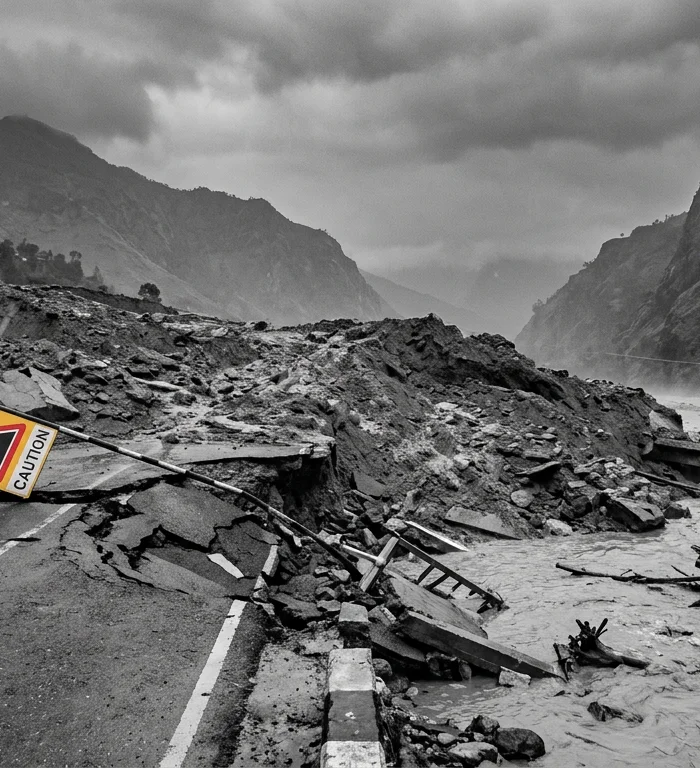
A flash flood and mudslide near the Nepal-Tibet border in Nepal's Rasuwa district early Wednesday claimed the lives of at least 17 individuals. The disaster, triggered by rapid snowmelt from the Tibetan plateau, caused the Bhote Koshi river to overflow its banks, severely impacting communities and essential infrastructure. Communication networks were severed, and critical transport routes, including a primary road to Kathmandu, were destroyed, isolating the affected region.
Officials indicated that the death toll is expected to increase as emergency teams gain access to more heavily affected areas. The sudden release of glacial meltwater overwhelmed the river, leading to widespread inundation of villages and the collapse of road infrastructure. Initial search and rescue efforts have been complicated by disrupted telecommunications, making it challenging to coordinate responses effectively.
Impact on Infrastructure and Response
The surge of glacial meltwater from the Tibetan plateau caused extensive damage, destroying key road links and cutting off telecommunications. This infrastructure failure has left the Rasuwa district largely isolated. High winds have further hindered aerial reconnaissance missions, making it difficult for authorities to fully assess the extent of the damage, particularly on the Tibetan side of the border.
Emergency response teams, comprising members of the armed police force and the Red Cross, are actively conducting search operations. However, several security personnel remain unaccounted for, adding to the complexity of the ongoing rescue efforts. Disaster management authorities have issued high-alert warnings for all communities located downstream, following the closure of the main road leading to the capital and significant disruptions to the power grid.
Humanitarian Challenges and Past Events
The destruction of both transport and communication infrastructure presents significant hurdles for humanitarian aid operations. The isolation of the Rasuwa district, coupled with the reported missing security personnel, underscores the challenging conditions faced by responders. Aid organizations anticipate gaining a clearer understanding of the full human and material cost once accessibility improves.
This year's floods follow a similar event that occurred last year, which resulted in 18 fatalities in Rasuwa after a glacier burst on the Chinese side of the border. Officials believe that the scale and impact of Wednesday's disaster may surpass those of last year's floods, suggesting potentially more severe consequences for the region and its residents. The repeated occurrences highlight ongoing environmental vulnerabilities in the Himalayan region.
More stories
- Eisenkot secures first coalition deal but lacks majority
- Germans oppose Ukraine aid as poll shows support slipping
- Kim Jong-un receives 10 envoys after constitutional shift
- Ukraine claims Libya strike sinks Russian naval corvette
- COP31 climate talks collapse over fossil fuels and funds
- Russian military faces 1,087 recorded suicides in Ukraine war
- Saudi nuclear deal heads to Congress with Israel term intact
- Trump tariffs push Canada dispute toward trade reprisals
- Trump calls Iran drone strike a ceasefire breach
- Maritime risk returns after Strait of Hormuz vessel strike
Latest news
- Morocco targets 2030 World Cup final with new stadium bid
- Barclays puts AI bust risk at center of US growth debate
- US inflation reaches 3.8% before December Fed rate meeting
- Türkiye Desk: GTA 6 drains UK mobile spend as Turkish studios feel pressure
- Global stocks fall 0.4% as tariffs and US inflation loom
- CIA hack affects unclassified data; scope remains unclear
- Trump prepares tariffs on China and other major exporters
- New-car buyers pay record average $50,087 in October