
Chinese Artist Jailed for 'Slandering Heroes' in Hebei
Chinese artist Gao Zhen, 70, a US permanent resident, received a three-year prison sentence in Hebei for 'slandering national heroes,' sparking international…
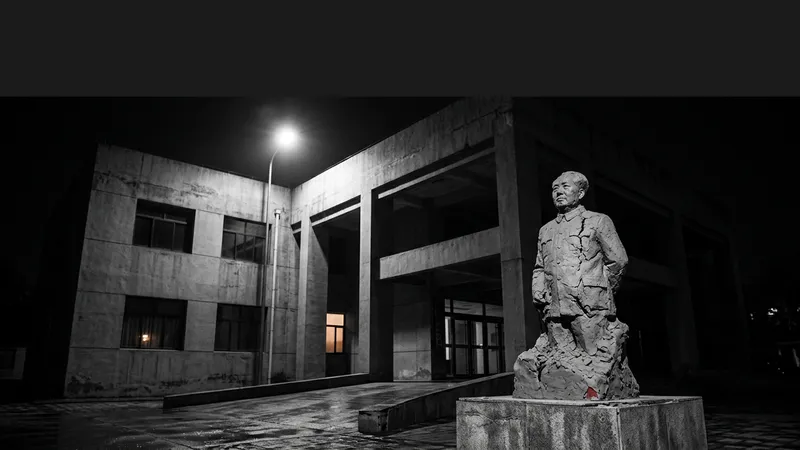
Chinese artist Gao Zhen, a 70-year-old citizen of China and permanent resident of the United States, has been sentenced to three years in prison by the Sanhe City People's Court in Hebei province. The verdict, delivered after a two-year detention period beginning in August 2022, found Gao guilty of 'slandering national heroes and martyrs.' This judgment has attracted considerable international scrutiny, particularly from human rights organizations.
The legal action against Gao centered on sculptures created over a decade before the enactment of a 2018 law that prohibits the defamation of national figures. Authorities reportedly applied this legislation retroactively to artworks depicting former leader Mao Zedong in controversial contexts, including a kneeling posture and a firing squad formation. Human rights groups have highlighted this retrospective application as a primary concern in the case.
Retroactive Law Application Raises Concerns
The 2018 statute concerning the defamation of national figures has seen increasing use in prosecuting individuals who challenge official historical narratives within China. Gao Zhen's case is regarded as a significant example of this trend, with critics suggesting it functions as a mechanism to suppress independent artistic expression and enforce ideological conformity.
Amnesty International commented that the maximum three-year prison term given to Gao indicates 'the authorities’ determination to deter others from engaging in independent artistic expression.' During his detention, Gao's studio property was seized, adding another layer to the punitive measures taken against him.
Family Members Face Travel Restrictions
Further restrictions have been placed on Gao Zhen's family. According to statements from human rights campaigners, his wife and son, who holds U.S. citizenship, have reportedly been prevented from departing China. Reports from human rights groups indicate that Gao Zhen's wife has been barred from international travel, citing national security grounds. His son has also been unable to leave the country without his parents.
This situation illustrates broader efforts to control not only artistic and historical discourse but also the movement of individuals associated with such cases. The outcome of this particular case could have substantial implications for artists and critics operating within China, potentially narrowing the scope of public commentary on sensitive historical or political themes.
The judgment against Gao Zhen serves as a stark reminder of the tight controls over expression and the rigorous enforcement of official narratives within the country. This resonates with wider concerns regarding human rights and the rule of law in China, drawing attention to how legal frameworks can be utilized to shape public discourse and limit individual freedoms.
More stories
- Kyiv playground blast puts Ukraine air-defense stocks back on Washington’s agenda
- Rubio’s Athens speech hardens Washington’s public line on Iran
- Saudi airport hit in new Houthi attack, officials say
- Houthis claim Riyadh airport strike as injuries reported
- Germany Reaffirms Russia Sanctions Amid Potential US Policy Shift
- China beats Thailand 2-0 to reach junior badminton final
- UN Watchdog Urges India on Discrimination Protections
- Tornado Damages 300 French Homes, Injures 39 in Southwest
- Panama Canal Limits Daily Ship Transits Amid El Niño Drought
- Rewilding Enhances Drought Resilience in UK Estate