Germany Reaffirms Russia Sanctions Amid Potential US Policy Shift
Germany has declared its continued commitment to economic sanctions against Russia and support for Ukraine, despite reports of a potential shift in US policy…
Claire Dubois ·
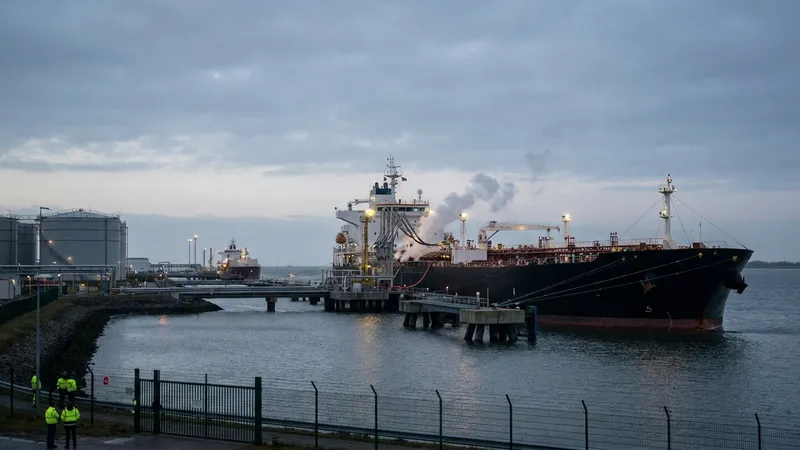
Germany has stated its ongoing commitment to sanctions against Russia, reaffirming support for Ukraine, following reports that a potential future US administration could ease restrictions on Russian diesel imports. The German government emphasized its firm stance on maintaining pressure on Moscow, highlighting a divergence in approach concerning energy-related sanctions.
Chancellor Olaf Scholz's government has consistently advocated for stringent measures against Russia since the full-scale invasion of Ukraine in February 2022. This position aligns with the broader European Union strategy to impose economic costs on Russia and curtail its ability to finance military operations. The reported US policy consideration, however, suggests a potential transatlantic rift on future sanctions enforcement, particularly as it pertains to energy.
Euro Area Sanctions Framework
The German
The European Union has implemented a comprehensive series of sanctions against Russia, including phased bans on Russian oil and refined petroleum products like diesel. The EU's eleventh package of sanctions, adopted in June 2023, targeted evasions and further restricted the export of sensitive goods and technologies to Russia. These measures are designed to limit Russia's revenue from energy exports and restrict its access to critical components for its military-industrial complex. The EU's unified approach, including the price cap mechanism for seaborne Russian oil, has aimed to reduce Russia's energy profits while seeking to prevent global price spikes. For the Eurozone, these sanctions have necessitated a significant reorientation of energy supply chains, impacting inflation and industrial competitiveness. Prior to the full-scale invasion, Russia supplied a substantial portion of Europe's crude oil and refined products, making the transition costly and complex. Economic Implications for the Eurozone Germany's unwavering stance on sanctions implies continued economic pressure on Russia, but also potentially sustained elevated costs or supply complexities within the Eurozone. The redirection of energy flows has contributed to inflation, although headline inflation across the Eurozone has been moderating, reaching 2.4% in April 2024, down from its peak of 10.6% in October 2022, according to Eurostat. Higher energy prices have also impacted industrial output, particularly in energy-intensive sectors, with Germany's industrial production declining 0.4% in March 2024 from the previous month, as reported by Destatis.
While the EU has largely replaced Russian diesel
A potential divergence in sanctions policy between the EU and the US could create trade frictions and complex compliance challenges for companies operating globally. While the EU has largely replaced Russian diesel imports from sources like the Middle East and Asia, a significant shift in a major trading partner's policy could alter global market dynamics and potentially impact the pricing stability achieved through new supply routes.
Future Policy Cohesion
The stability of the Eurozone's energy supply and its broader economic outlook hinge on sustained policy cohesion among member states and key international partners. A fracture in the transatlantic approach to Russian sanctions could weaken the overall effectiveness of the economic pressure campaign. Conversely, continued unity reinforces the bloc's leverage, even if it entails ongoing economic adjustments for member states. The European Central Bank (ECB) has closely monitored energy prices as a key factor in its monetary policy decisions, and any significant shifts could influence future interest rate trajectories.
Statements from Other EU Capitals
The response of other major EU member states will be critical in determining the bloc's unified position on Russian sanctions. Should France, Italy, or other significant economies reaffirm their commitment to the current sanctions regime, it would signal continued internal cohesion within the Eurozone. Such a unified front would maintain the existing economic pressure on Russia, although it would also prolong the necessity for the Eurozone to manage energy market adjustments and potential trade-offs in industrial competitiveness. This would likely solidify current energy supply arrangements and pricing structures across the bloc.
Conversely, if key EU members indicate openness to re-evaluating or easing sanctions, it would suggest a weakening of the common European front. This could lead to a fragmented approach, potentially easing some energy price pressures for specific countries by allowing access to cheaper Russian products. However, such a move would undermine the collective economic leverage against Russia, complicate the Eurozone's foreign policy objectives, and introduce new uncertainties into market expectations for energy supply and prices.