Rewilding Enhances Drought Resilience in UK Estate
Aerial analysis reveals rewilded areas in Somerset's Holnicote estate effectively resisted 2022 drought, contrasting with parched surrounding landscapes…
Lauren Collins ·
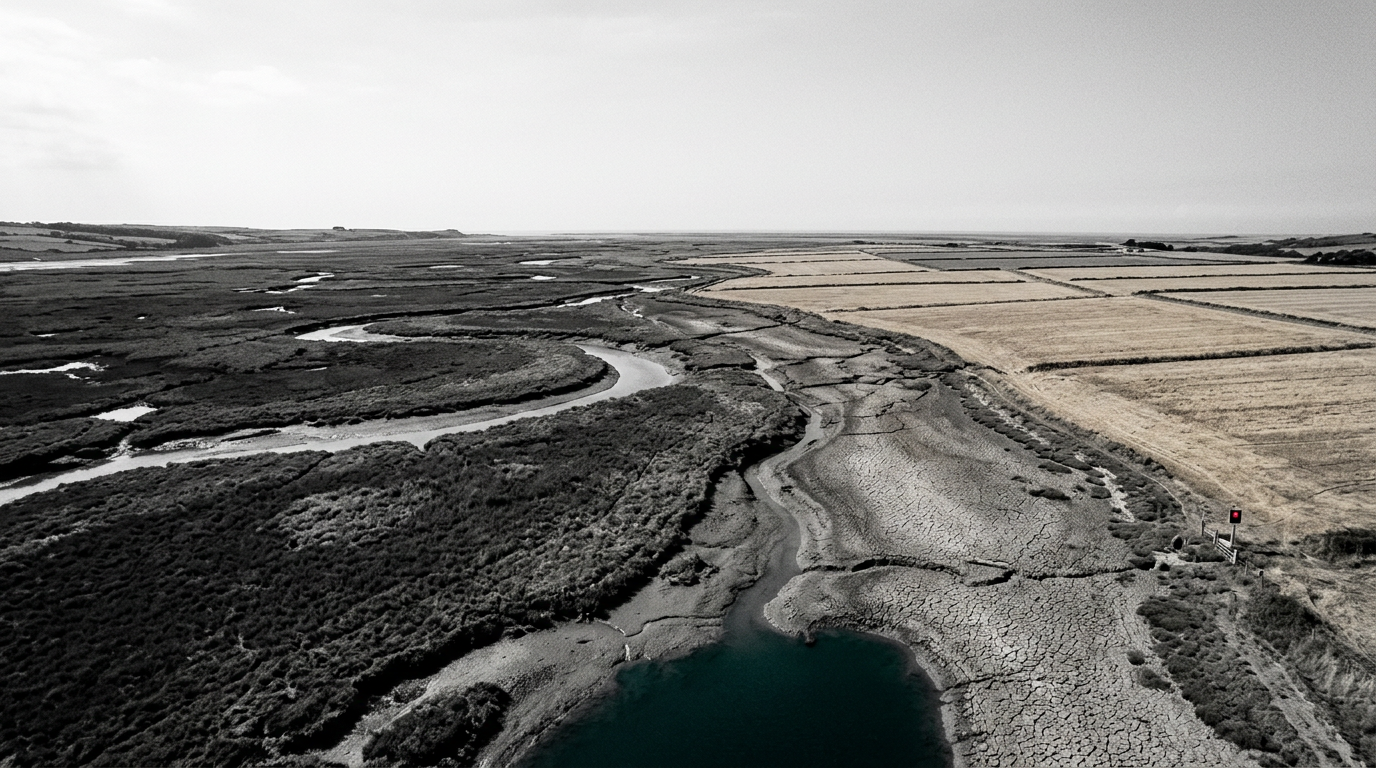
Rewilded land within the Holnicote estate in Somerset maintained robust vegetation during the severe summer heatwaves of 2022, according to an analysis of aerial imagery. This finding stands in stark contrast to the surrounding areas, which experienced significant desiccation, highlighting the inherent resilience of restored natural ecosystems to climatic stressors.
The estate's successful mitigation of prolonged dry conditions is primarily attributed to its restored wetlands and reconnected river systems. These natural features functioned as effective water reservoirs, demonstrating a significant improvement over traditionally managed landscapes. The project involved reversing historical land management practices, such as river straightening and wetland drainage, which typically accelerate water runoff from the land.
Restored Water Systems
By actively recreating natural floodplains, the Holnicote estate established what are described as "landscape-scale sponges." These systems are designed to retain moisture more efficiently during periods of drought, while also reducing the velocity of water flow during incidents of extreme precipitation. This multifaceted approach provides a functional buffer against various climate-induced volatilities, including elevated wildfire risks and the potential for downstream flooding in vulnerable areas.
The successful outcomes at Holnicote underscore the potential of nature-based solutions in adapting to a changing climate. As meteorological patterns continue to shift towards more frequent and intense extreme weather events, the ability of ecosystems to self-regulate and provide essential services becomes increasingly critical. The project demonstrates how ecological restoration can directly contribute to regional water security and overall ecological stability.
Broader Implications for UK Wetlands
The importance of projects like Holnicote is further emphasized by broader national trends. Data indicates that the United Kingdom has lost more than 90 percent of its wetland areas over the past century. This extensive loss has diminished the natural capacity of the landscape to manage water, making regions more susceptible to both drought and flooding.
The Trust, responsible for the Holnicote estate, advocates for increased investment in habitat restoration initiatives across the country. They propose that such projects serve as a vital model for integrating nature-based infrastructure into national climate adaptation strategies. The demonstrated success at Holnicote in buffering against severe weather impacts provides a compelling case for expanded ecological restoration efforts as a proactive measure against climate change.
The rewilding approach at Holnicote not only preserves biodiversity but also offers tangible benefits for human communities by enhancing flood protection and securing water resources. It represents a practical example of how ecological principles can be applied to create more resilient landscapes capable of withstanding future environmental challenges.