Trump Reaffirms Iran Military Degradation, Nuclear Warning
President Trump reiterated on August 21, 2026, that U.S. strikes diminished Iran's military and warned against nuclear weapon acquisition.
Mateo Fernandez ·
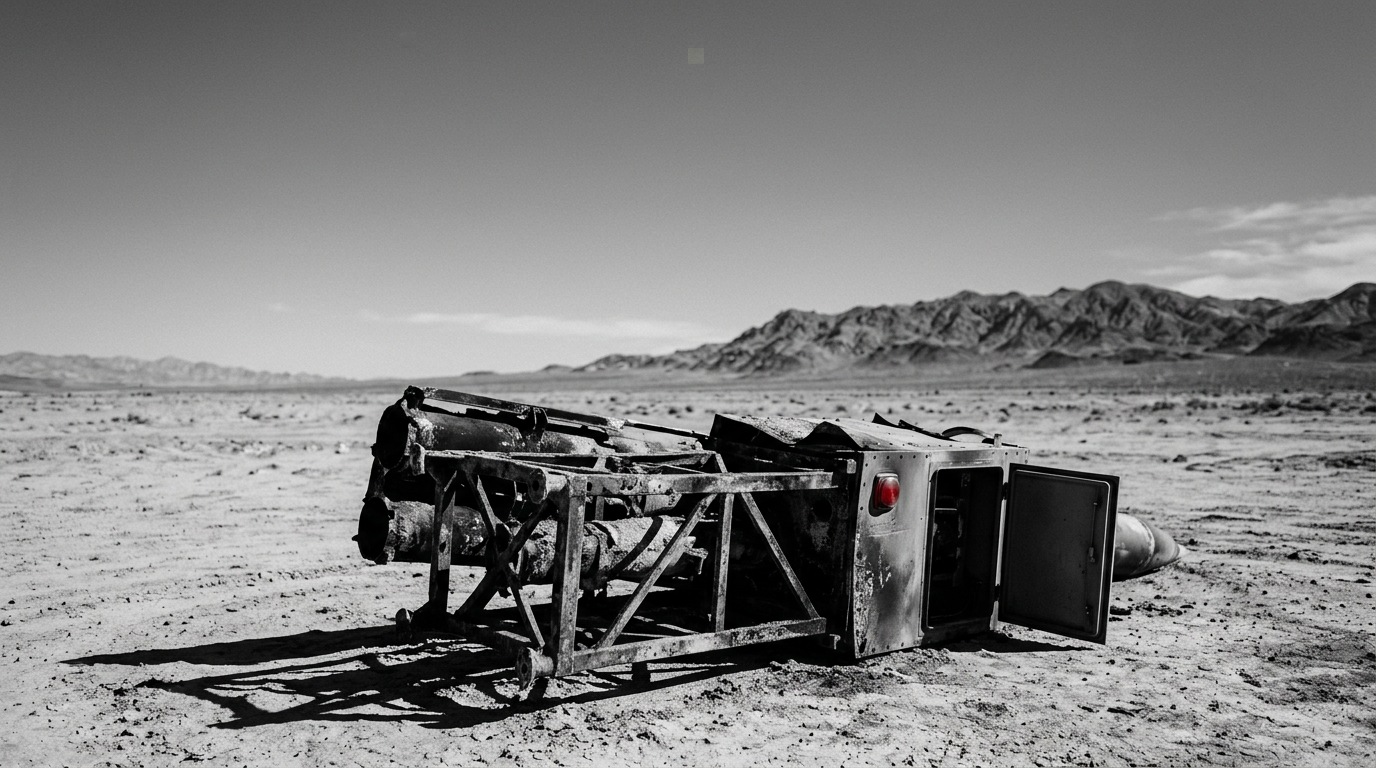
President Trump stated on August 21, 2026, that past U.S. military actions have significantly reduced Iran's military strength. The President also issued a firm warning, emphasizing that the United States would take decisive measures to prevent Tehran from developing nuclear weapons. This declaration follows a period of heightened tensions between Washington and Tehran, marked by economic sanctions and military posturing.
During his remarks, President Trump asserted that the U.S. strategic position allows it to "essentially control the straits," referring to the Strait of Hormuz. He framed the ongoing pressure on Iran as a necessary step to curb nuclear proliferation in the Middle East. The President specifically mentioned that both economic measures and sustained military readiness had collectively decreased Iran’s ability to project power throughout the region, characterizing this approach as a critical deterrent against weapons development.
Economic Pressure and Regional Dynamics
President Trump further highlighted the internal economic challenges facing Iran, pointing to high inflation rates and a depreciating currency as factors complicating Tehran's overall stance. These economic conditions, according to the President, underscore the effectiveness of the U.S. strategy to limit Iran's regional influence and nuclear ambitions. This perspective suggests that the U.S. views economic strain as an integral component of its broader strategy.
In response to the U.S. statements, Iran's Foreign Minister criticized what was termed the U.S. "Economic D-Day" announcement, calling the initiative objectionable. Despite the strong rhetoric from both sides, no new operational military deployments by the U.S. were officially announced following President Trump's remarks. The situation remains fluid, with international observers closely monitoring diplomatic and military developments.
Anticipating Further Responses
The international community is now anticipating potential follow-up actions or statements from both the U.S. and Iran. Key indicators for any policy shifts or additional measures are expected to emerge from statements made by the White House or Iran’s foreign ministry through August 22, 2026. This period is crucial for discerning whether the current rhetoric translates into concrete policy changes or further escalations.
Historically, the relationship between the United States and Iran has been fraught with periods of tension, particularly concerning Iran's nuclear program and its activities in the Strait of Hormuz. The Strait, a critical maritime chokepoint for global oil shipments, has often been a flashpoint for military maneuvers and diplomatic disputes. The U.S. has maintained a significant naval presence in the region for decades, often citing the need to ensure freedom of navigation and deter hostile actions.
Broader Context of Nuclear Ambitions
Concerns over Iran's nuclear capabilities have long been a central issue in international diplomacy. Efforts to prevent Iran from acquiring nuclear weapons have involved various international agreements, sanctions regimes, and diplomatic engagements. President Trump's latest remarks underscore the continued U.S. commitment to this policy objective, reiterating a consistent stance on nuclear non-proliferation in the region.
The interplay of military deterrence, economic sanctions, and diplomatic pressure forms the core of the U.S. strategy towards Iran. Future developments will depend on how Tehran chooses to respond to these pressures and whether international mediation efforts can de-escalate tensions. The global community remains vigilant, as any significant shift could have wide-ranging implications for regional stability and energy markets.