Hong Kong Activists Convicted in Tiananmen Vigil Case
Two Hong Kong activists, Lee Cheuk-yan and Chow Hang-tung, were convicted for inciting subversion related to Tiananmen Square vigils, facing up to 10 years.
Lauren Collins ·
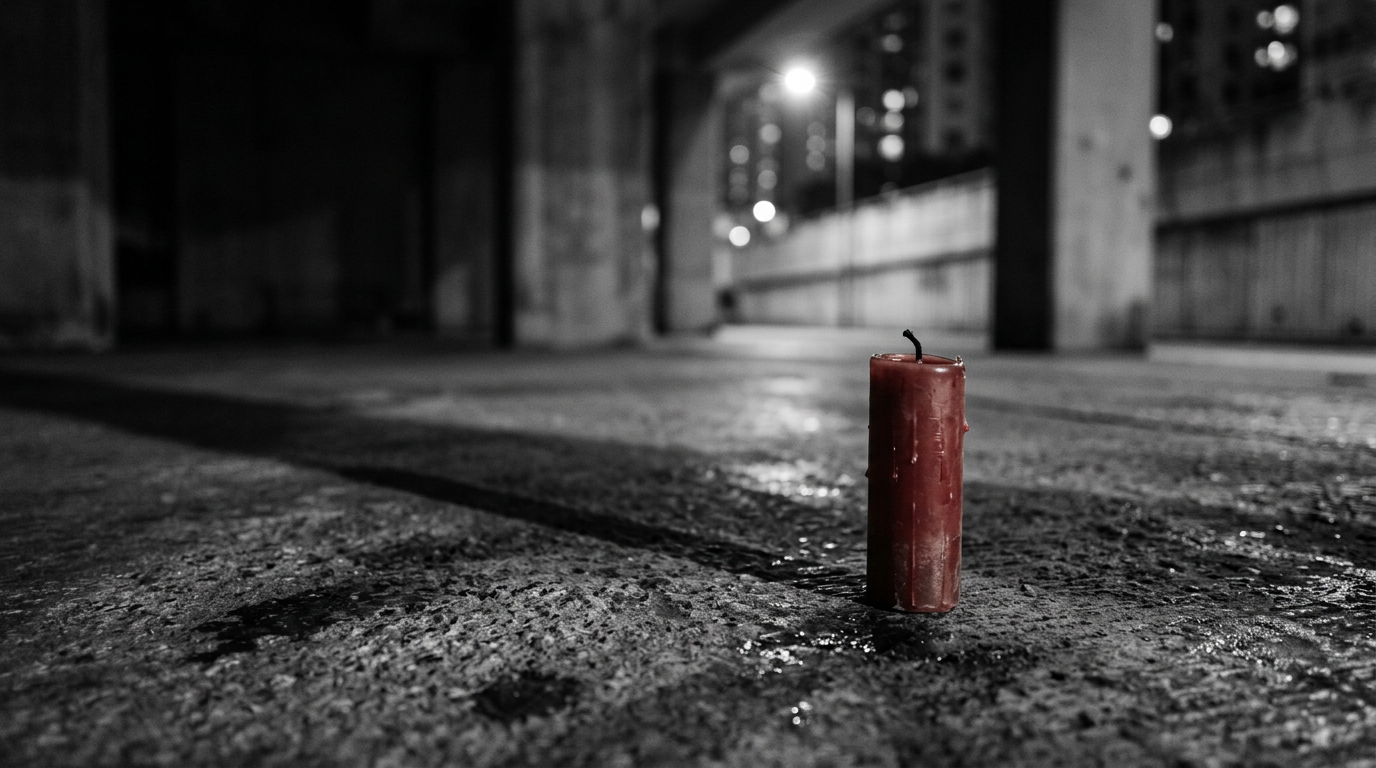
A Hong Kong court has found two prominent pro-democracy activists, Lee Cheuk-yan, 69, and Chow Hang-tung, 41, guilty of inciting subversion. The verdict, delivered after a 24-day trial, stems from their alleged roles in organizing annual vigils commemorating the 1989 Tiananmen Square crackdown.
Prosecutors argued that both individuals incited others to plan and participate in acts aimed at subverting state power through unlawful means. This ruling highlights the increasing legal challenges faced by pro-democracy figures within the territory. The Hong Kong Alliance, an organization previously led by Lee and Chow, traditionally arranged these yearly commemorations in Victoria Park.
Security Law's Impact on Public Assembly
For decades, Hong Kong was one of the few locations on Chinese soil where such commemorations were openly permitted. However, public vigils have been effectively prohibited since the imposition of new security legislation in 2020. The current conviction carries a potential maximum sentence of 10 years in prison, with specific sentencing details for the two activists expected at a later date.
A third defendant in the case, Albert Ho, had previously entered a guilty plea in January. This judgment is part of a broader series of legal actions targeting pro-democracy advocates in Hong Kong, further limiting public expression and political dissent within the city.
Diminishing Freedoms in the Territory
Since the implementation of Security Law in 2020, Hong Kong has experienced a tightening of governmental control across various aspects of civic life. International observers widely view the legislation as a mechanism to suppress opposition and dismantle the city's once-vibrant civil society. The latest ruling underscores the diminishing space for independent activism and critical public discourse.
This decision reinforces the central government's increasing authority over Hong Kong's freedoms, initially guaranteed under the "one country, two systems" framework. The erosion of the city's autonomy, particularly since the 2020 security law took effect, has impacted a wide range of activities, from public protests to political organizing. Previously robust civil liberties, including freedom of assembly and speech, have come under significant pressure.
Observers suggest that the outcome of this case is likely to further deter public acts of dissent and any forms of commemoration related to politically sensitive historical events. The sustained legal actions against prominent activists signal a continued shift in Hong Kong's political landscape, moving away from its former status as a relatively open society within China. The international community continues to monitor these developments closely.
Historical Context of Tiananmen Vigils
The annual Tiananmen Square vigil in Victoria Park had been a symbolic cornerstone of Hong Kong's distinct political identity and its commitment to civil liberties. For over three decades, the vigil served as a public space for remembrance and expression, contrasting sharply with the mainland's strict censorship regarding the 1989 events. Its prohibition and the subsequent legal actions against its organizers represent a significant departure from Hong Kong's historical freedoms.
Legal Framework and International Scrutiny
Security Law, imposed by Beijing, criminalizes acts of secession, subversion, terrorism, and collusion with foreign forces, with penalties up to life imprisonment. Critics argue that the law's broad definitions have been used to stifle legitimate political opposition and suppress human rights. Governments and international human rights organizations have voiced concerns over the law's impact on judicial independence and the rule of law in Hong Kong, emphasizing the erosion of fundamental freedoms previously enjoyed by its residents.