Panama Canal Limits Daily Ship Transits Amid El Niño Drought
The Panama Canal Authority will reduce daily ship transits to 32 from September 15 due to El Niño-induced drought and low water levels.
Lauren Collins ·
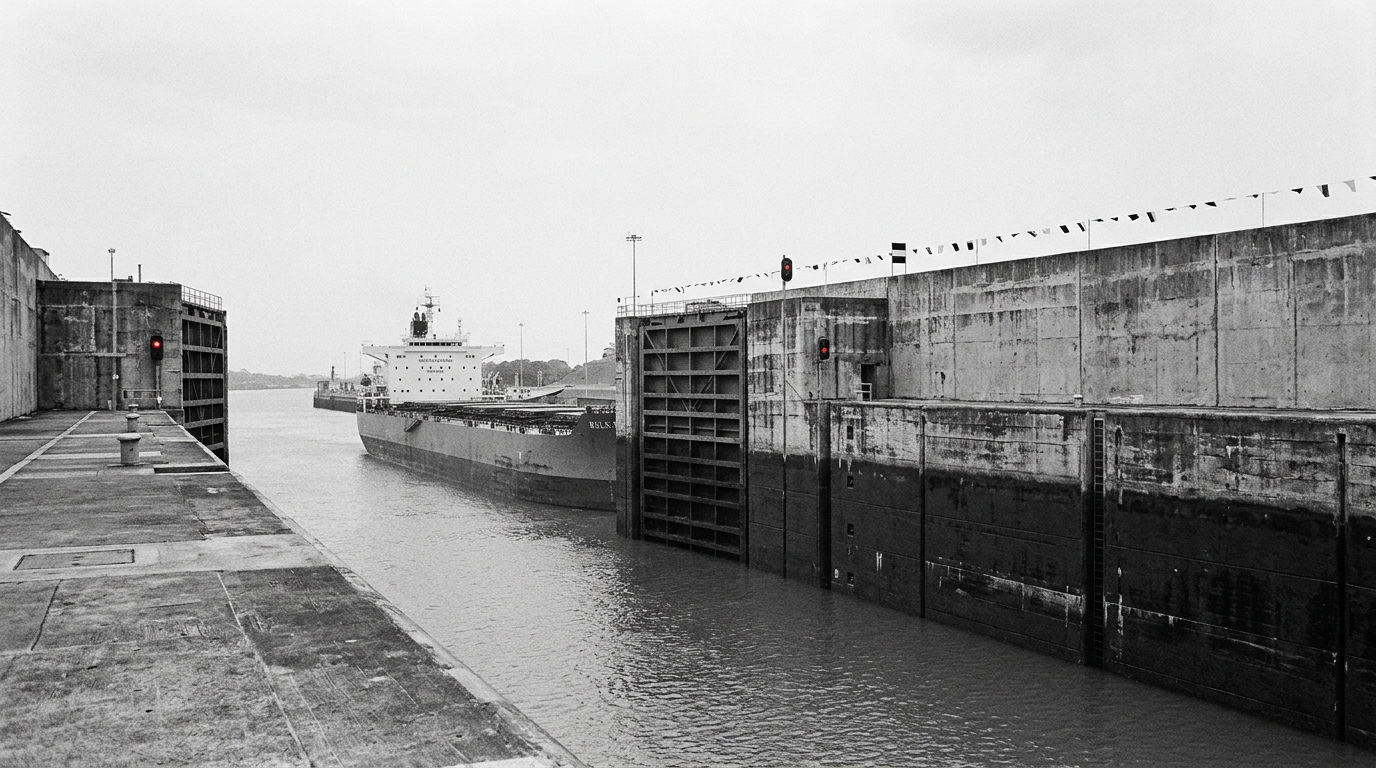
The Panama Canal Authority has announced a reduction in daily vessel transits, effective September 15. The daily limit will be set at 32 ships, a decrease from the current 36 transits per day. This operational adjustment is a direct response to persistently low rainfall, which officials attribute to the prevailing El Niño climate pattern. The lack of precipitation has severely constrained the water resources essential for the canal's lock operations.
This measure aims to address a critical water deficit within the Gatun Lake watershed, prompting the implementation of stringent conservation efforts. The authority's objective is to maintain both the reliability of transit services and ensure adequate water supply for local human consumption. Reservoir levels recorded significant lows during the 2023 dry season, underscoring the severity of the water shortage.
Operational Adjustments and Impact
The phased implementation of these new restrictions began on September 3, reflecting a strategic approach to secure the long-term operational sustainability of the vital waterway. The Panama Canal serves as a crucial global trade artery, facilitating approximately 14,000 transits annually and contributing an estimated $3 billion in yearly revenue to Panama.
This canal significantly shortens transit times for vessels traveling between the Atlantic and Pacific oceans. The new cap of 32 daily transits represents an 11% reduction compared to its typical capacity of 36. This marks a recurrence of such measures, as the authority also limited vessel numbers during the 2023 El Niño period after Panama experienced its driest October since 1950.
Consequences for Global Shipping
The shipping industry is currently navigating various logistical challenges across other maritime routes, including reported disruptions in the Strait of Hormuz. The reduced capacity of the Panama Canal is anticipated to result in increased transit wait times for vessels. Industry experts project that these delays could influence global freight costs throughout the remainder of the year.
Further reductions in transit numbers remain a possibility if rainfall levels do not improve, which could exacerbate existing delays and elevate freight expenses. Conversely, a return to average rainfall patterns has the potential to alleviate the necessity for such strict limitations. The recovery of Gatun Lake levels to support higher transit volumes largely depends on the intensity and duration of the current El Niño event, posing an open question for future operations.