U.S. Modernizes Nuclear Missile Fleet
The U.S. Air Force is replacing its Minuteman III ICBMs with the new Sentinel system to modernize its nuclear deterrent.
Cuneyd Erdogan ·
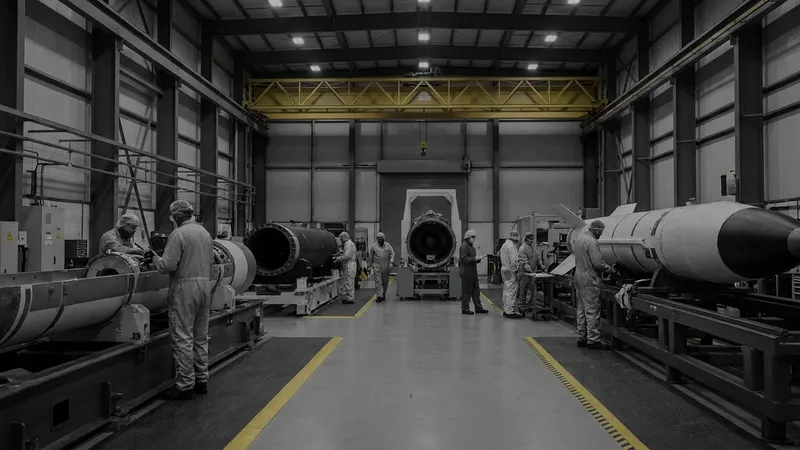
U.S. Modernizes Nuclear Missile Fleet The United States Air Force is replacing its aging Minuteman III intercontinental ballistic missiles (ICBMs) with the new Sentinel system, a modernization effort underway at F. E. Warren Air Force Base in Cheyenne, Wyoming. This transition addresses the Minuteman III's operational lifespan, which has extended significantly beyond its original design, with some components dating back over 60 years. The Sentinel program aims to enhance the safety, security, reliability, and range of the U.S. ground-based nuclear deterrent.
The Sentinel program involves constructing over 450 new launch silos and between 50 to 75 launch centers and other support facilities. While the program is currently estimated to be 80% over budget, with a projected cost of approximately $141 billion, officials anticipate lower operational and maintenance costs once the system is fully deployed. The Air Force maintains approximately 400 ICBMs on alert at any given moment, and the transition is managed to ensure continuous nuclear deterrence capabilities.
Despite being approximately a decade behind its initial schedule, the modernization is deemed critical by U.S. Strategic Command and Air Force Global Strike Command. The new Sentinel missiles are designed to be larger, faster, and possess a longer range with increased payload capacity compared to the Minuteman III. This upgrade is part of a broader modernization of the U.S. nuclear triad, which also includes replacing B-2 bombers with B-21s and Ohio-class submarines with Columbia-class vessels, in response to similar advancements by other nuclear powers.