Parents Doubt UK's Special Needs School Reforms
UK SEND reforms face parent doubts as a 6,000+ survey shows low confidence in mainstream support, alongside debate over EHCP cuts by 2035.
Cuneyd Erdogan ·
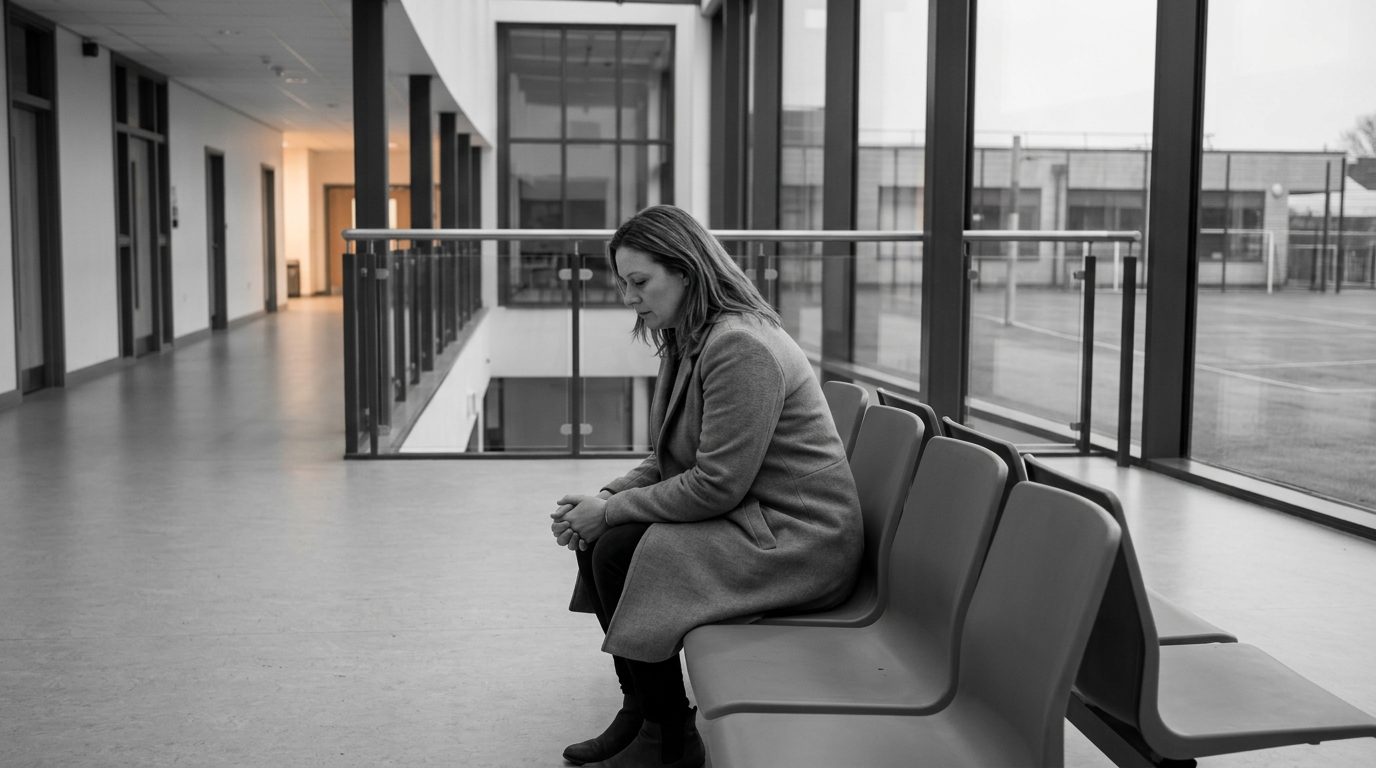
Parents of children with special educational needs and disabilities (SEND) in England are signaling low confidence that mainstream schools can meet their children’s needs, particularly when pupils do not have an Education, Health and Care Plan (EHCP).
The concerns come as the UK government, led on education policy by Education Secretary Bridget Phillipson, is advancing new proposals for SEND provision that are expected to reduce the number of pupils receiving EHCPs by hundreds of thousands by 2035.
Survey signals a gap in confidence
A survey of more than 6,000 parents by the Parent Voice Project found that only 38% of parents of SEND children without an EHCP felt mainstream teachers had the tools needed to support special needs.
That compares with 52% across all parents surveyed who said teachers were equipped, and with higher satisfaction among parents of children without SEND.
Perceived quality differs sharply by pupil group
When asked about overall education quality, 71% of parents of non-SEND children rated their child’s school experience as “high” or “very high.”
For SEND children without an EHCP, the equivalent figure was 57%, pointing to a persistent perception gap between families depending on whether a child has additional needs and whether formal support plans are in place.
Inclusion support is conditional on resources
The survey findings land amid a policy push toward greater inclusion of SEND pupils in mainstream settings. Parents expressed broad backing for inclusion in principle, but stressed that it depends on schools having sufficient resources to deliver support effectively.
From a policy and markets perspective, the resource question matters because it links directly to public spending choices, local authority capacity, and workforce requirements in education and related services.
Attendance priorities do not match government emphasis
The survey also pointed to a mismatch between parental priorities and the government’s focus on improving attendance. Persistent absenteeism was cited at 18%, described as nearly twice the pre-pandemic level.
Yet only 8% of parents said poor attendance was among their top concerns, placing it behind issues including school underfunding, poor behavior, and youth mental health.
Regional differences add complexity
Parents’ views varied by region on flexibility to remove children from school. Nearly 60% of parents in the North-East supported having that option, compared with 37% in London.
What remains unclear from the survey summary is how the proposed reforms would be implemented in practice at school and local authority level, including what additional funding, staffing, or training would accompany a shift away from EHCP coverage. That uncertainty is central to whether families’ confidence improves as policy changes roll out.