UK Police Reopen Stolen Government iPhone Case
UK police reopened the stolen government iPhone case after a location-logging error misdirected early CCTV checks in London.
Cuneyd Erdogan ·
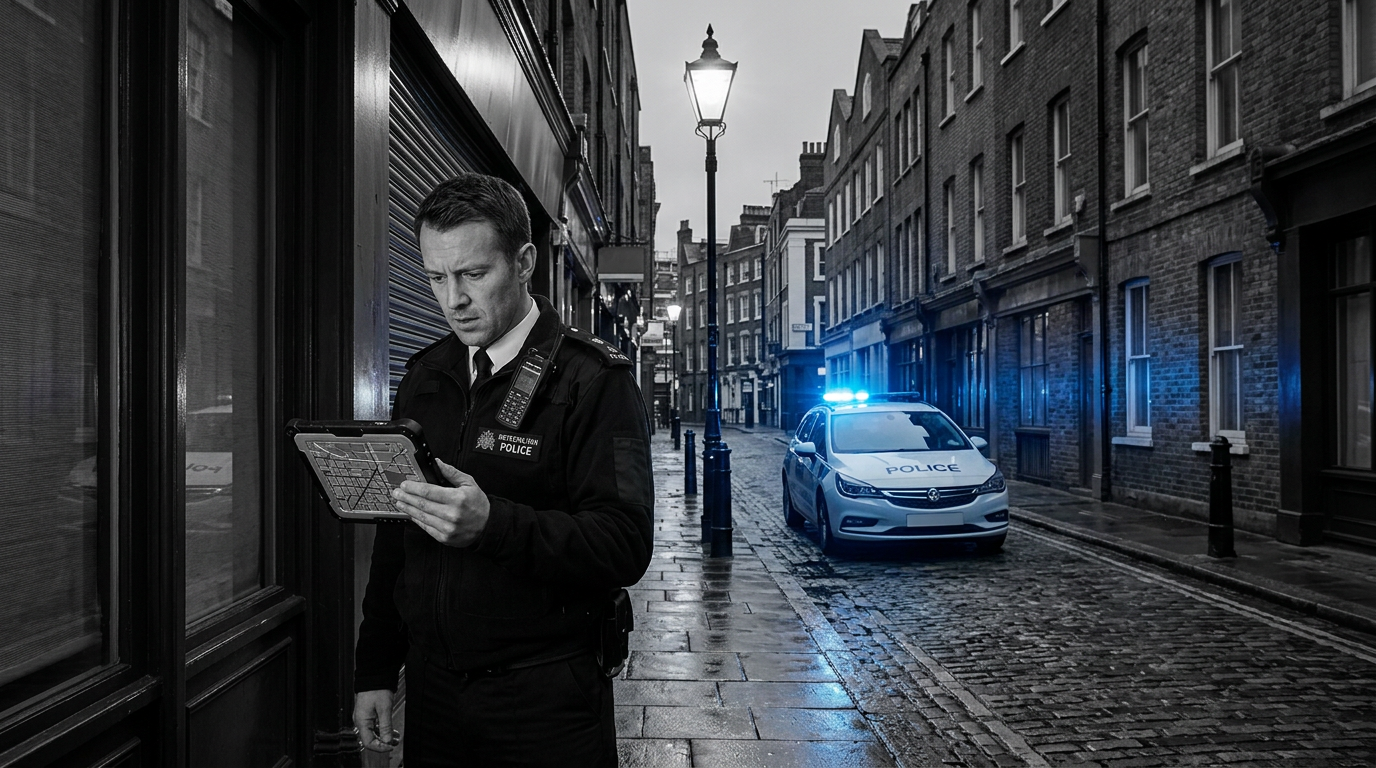
London’s Metropolitan Police have restarted an investigation into the theft of a government-issued iPhone used by Morgan McSweeney after the force said a logging mistake sent early inquiries to the wrong location.
The phone was taken in central London on October 20. The Met said the case was previously closed before being revived once the error was identified.
What changed in the case
The Met said the incident address was entered incorrectly, with Belgrave Street in Tower Hamlets recorded instead of Belgrave Road in Westminster. Because of that, officers reviewed CCTV from an unrelated area, reducing the value of time-sensitive evidence collection.
After the mistake was acknowledged, the force said it reopened the inquiry. Police have not disclosed whether any suspect has been identified, and they have not described any new investigative leads.
Emergency call and follow-up attempts
McSweeney reported the theft via a 999 call, describing the handset as a “government phone” and saying it had a tracker. The Met said he contacted police within minutes and attempted to pursue the person who took the device.
In a move the Met itself treated as notable, it published the full transcript of the emergency call. In that call, McSweeney did not say he was the Prime Minister’s Chief of Staff.
The Met also said it tried twice to follow up with McSweeney but could not reach him because he did not answer during office hours. Police did not provide dates for those attempted contacts.
Device status and political context
Police said the phone was switched off immediately after it was taken. McSweeney received a replacement handset the next day, based on the account provided.
The incident has attracted additional attention because McSweeney’s phone records are under public scrutiny linked to his correspondence with Peter Mandelson, described as a former US ambassador. The Met’s statement did not draw a connection between that scrutiny and the theft investigation.
Why it matters for institutions and markets
The reopening underscores how administrative accuracy can shape outcomes in fast-moving investigations, particularly when CCTV retrieval depends on precise location data. It also highlights the operational sensitivity around official devices, where loss can raise questions about security procedures even if a handset is disabled quickly.
Key uncertainties remain. The Met has not said whether tracker information produced usable location data, whether relevant footage exists from the correct Westminster area, or what steps will follow now that the case is active again.
For global investors and regulated industries that rely on London’s institutional reliability, the episode is a reminder that process failures—rather than policy shifts—can still affect confidence in operational resilience. Internationally, it adds to broader attention on communications security risks faced by governments and organizations operating across borders.