Amazon Boosts Code Controls After Outages
Amazon is enhancing internal code controls and safeguards after multiple e-commerce outages, including one linked to its AI assistant Q.
Jason Kwon ·
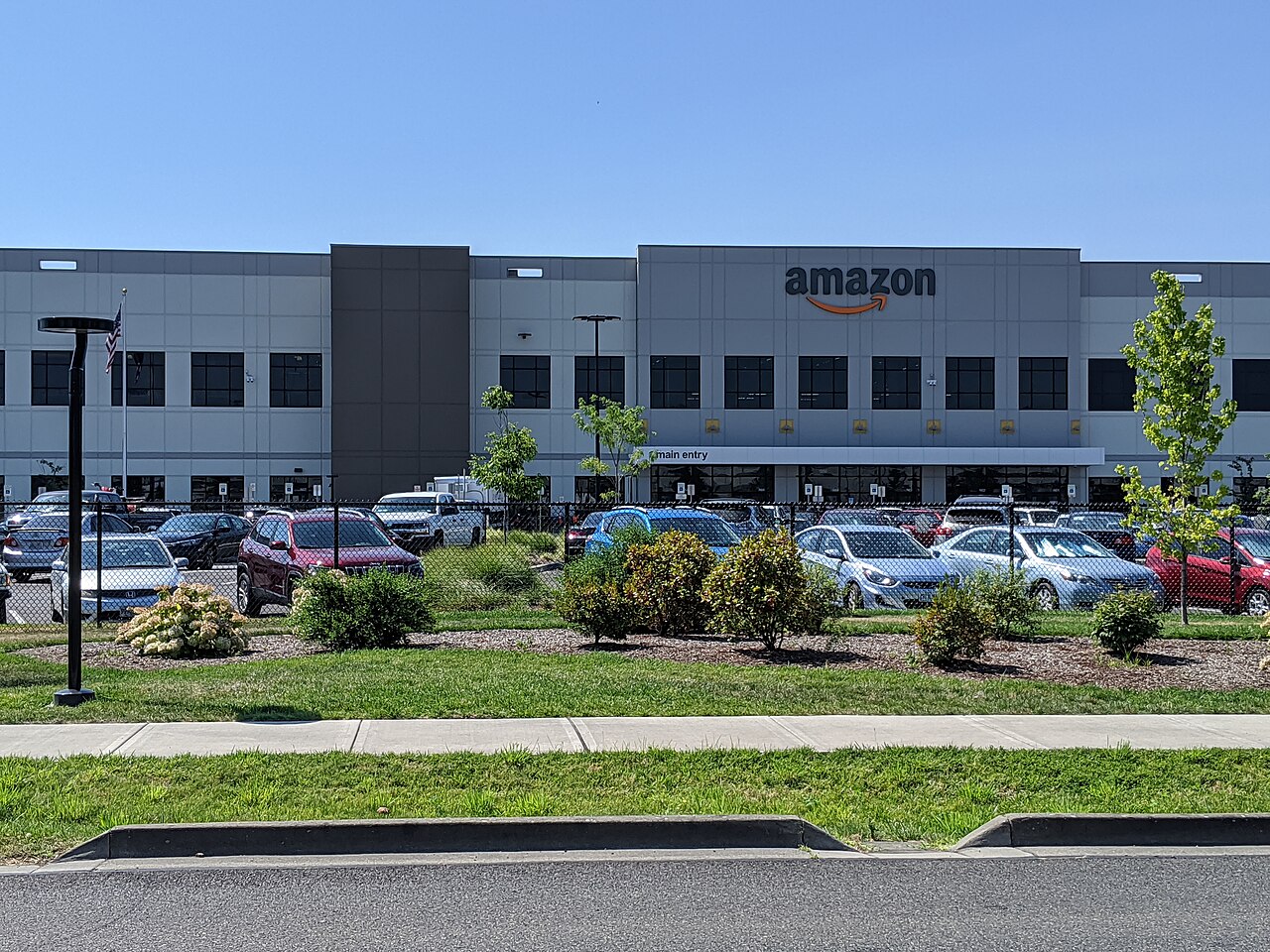
Amazon is implementing enhanced internal code management protocols to mitigate service disruptions, following a series of e-commerce platform outages. The company's Senior Vice President of e-commerce services, Dave Treadwell, communicated these changes to staff on Tuesday, acknowledging a pattern of incidents that began in the third quarter of 2025.
Several significant service interruptions have occurred in recent weeks, with one notable event on March 2. This particular outage was linked to Amazon's AI coding assistant, Q, and resulted in substantial operational issues, including a large volume of lost orders and website errors.
Addressing Systemic Vulnerabilities
The internal review identified that these disruptions stemmed from "high blast radius changes" that lacked adequate safeguards. Data corruption, requiring extensive resolution times, also contributed to the severity of the incidents. Failures were specifically attributed to the bypassing or absence of fundamental mechanisms, such as the requirement for dual authorization for code modifications.
New Safeguards and AI Integration
In response, Amazon is mandating more comprehensive documentation for all code changes and introducing additional approval layers. The company is also developing new protective measures designed to introduce "controlled friction" into the code review and deployment process. This initiative aims to combine AI-driven "agentic" tools with established rules-based "deterministic" systems to improve the reliability and precision of software deployments.
Operational Impact and Future Strategy
The series of outages underscores the critical importance of robust internal controls in large-scale digital operations. The company's proactive steps reflect an effort to prevent future service interruptions that can directly impact customer experience and revenue. By integrating advanced AI tools with stringent human oversight and procedural checks, Amazon seeks to enhance its operational resilience.
This strategic shift highlights a broader industry trend towards leveraging AI for development while simultaneously strengthening governance frameworks. The goal is to harness the efficiency of AI coding assistants without compromising system stability or introducing new vulnerabilities. The implementation of these stricter controls is expected to evolve as Amazon continues to refine its software development lifecycle and incident prevention strategies.
Broader Industry Implications
The challenges faced by Amazon, a leader in cloud infrastructure and e-commerce, resonate across the technology sector. As companies increasingly adopt AI for critical functions, the balance between innovation speed and operational stability becomes paramount. Amazon's experience serves as a case study for other enterprises navigating the complexities of integrating advanced AI into core business processes, emphasizing the need for comprehensive risk management and redundant control mechanisms.
Implications
Country Impact: Enhanced digital infrastructure resilience in the U.S. could set new standards for operational stability, influencing regulatory discussions around AI integration in critical services.
Industry Impact: The technology sector may see increased focus on AI governance and robust code deployment practices, potentially leading to new industry benchmarks for software reliability and risk management.
Market Impact: Investor confidence in Amazon's operational stability could be bolstered by these measures, while the broader market may scrutinize other tech firms' AI integration strategies for similar vulnerabilities.