USS Abraham Lincoln video prompts readiness questions
USS Abraham Lincoln video claims are unverified, but have sharpened readiness scrutiny as CENTCOM confirms Adm. Brad Cooper visited the carrier Saturday.
Omar Farouk ·
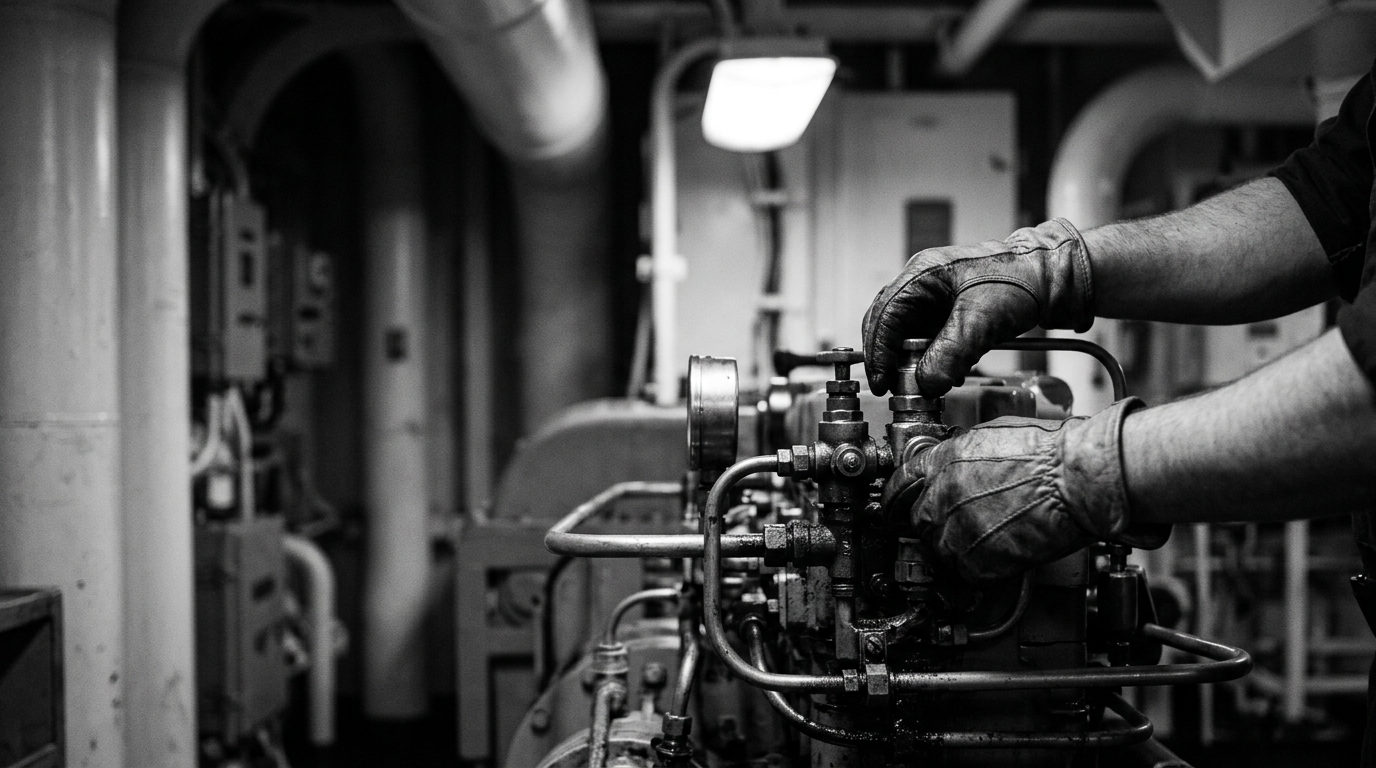
An unverified video circulating online, described as showing poor living conditions on the USS Abraham Lincoln, has renewed scrutiny of US aircraft carrier readiness near Gulf-linked waters and key shipping routes. The material provided does not confirm the footage’s authenticity or when it was recorded, leaving core details unresolved.
The video’s spread has coincided with heightened attention to US military posture in waters tied to Gulf security. In the information provided, no independent verification is offered that the images were filmed aboard the carrier or that they reflect current conditions.
CENTCOM visit coincides with the video’s emergence USS CENTCOM visit coincides with the video’s emergence USS Abraham Lincoln The footage surfaced after US Central Command said its commander, Adm. Brad Cooper, visited the USS Abraham Lincoln in the Arabian Sea on Saturday. CENTCOM’s statement, as referenced in the material, did not address the online claims. The provided material also does not include a verified public response from the US Navy. As a result, basic points remain uncertain, including whether the footage was recorded on the ship and whether it depicts present-day habitability. Why carrier conditions matter in Gulf-adjacent waters The USS Abraham Lincoln is a US aircraft carrier that Washington routinely deploys to project air power and deter adversaries across the Middle East. Under the US command structure described in the material, CENTCOM oversees US military operations in a region that includes the Arabian Sea and areas linked to Gulf security. Officials frequently portray carrier strike group deployments in Officials frequently portray carrier strike group deployments in and around the Gulf, the Arabian Sea, and nearby maritime chokepoints as visible signals of deterrence. They are also presented as a rapid-response option during crises involving threats to US forces and commercial shipping. Readiness, morale, and the risk of a messaging gap The material suggests that if the footage is authenticated and reflects systemic problems rather than isolated conditions, it could create operational and political complications for Washington. Sustained carrier operations depend not only on equipment performance but also on habitability and morale during long deployments, factors that can influence readiness over time. It also notes that even if combat capability It also notes that even if combat capability is unchanged, a public narrative that a high-profile carrier is under strain can be used by regional adversaries to question US staying power. In the security environment described, symbolism and perception may shape regional messaging alongside hardware and deployments.
Shipping lanes and potential next statements
US carriers operate near energy export routes and critical sea lanes, including the Strait of Hormuz and the Bab al-Mandab, according to the material. It adds that disruptions in these corridors can ripple into oil markets and global shipping costs.
The text highlights 2024-08-30 as a date to watch for any US Navy or CENTCOM statement that directly addresses the footage, as well as for potential announcements of inspections or corrective actions. It also emphasizes that corroborated reporting on when and where the video was recorded is central to assessing what, if anything, it indicates about current operations.
Within the scenario outlined, the case for broader concern would strengthen if the Navy acknowledges issues tied to habitability, maintenance, or deployment strain and describes remedies. It would weaken if the footage is credibly debunked, shown to be unrelated to current operations, or if no additional verifiable details emerge.