

South Korea Permits Personal Import of Foreign-Prescribed Obesity Medications
South Korea has legalized the personal carry-on import of foreign-prescribed obesity drugs, a move expected to impact domestic market demand due to…
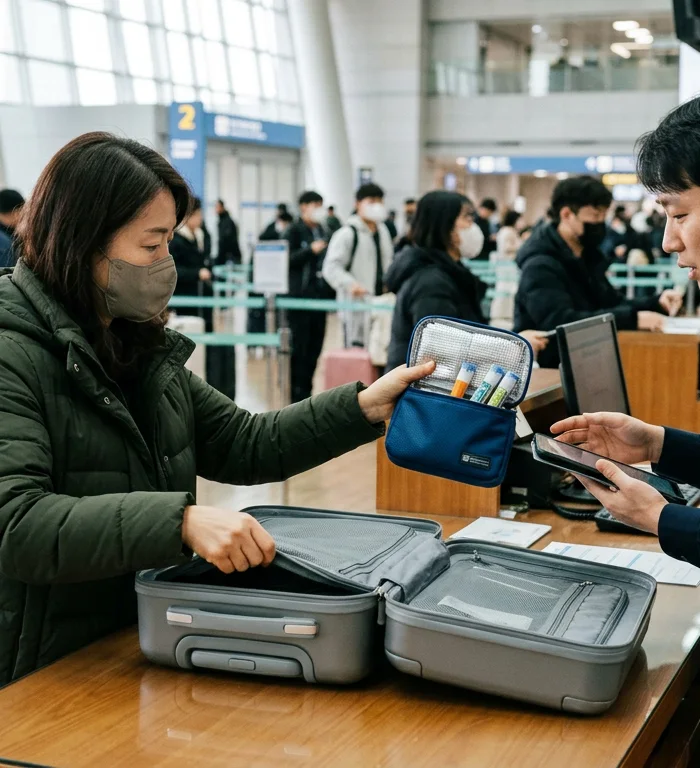
Effective November 12, South Korean authorities have authorized the personal carry-on import of obesity medications, including Wegovy and Mounjaro, provided they are legally prescribed and purchased abroad. This policy shift reverses previous restrictions that classified these drugs as hazardous, which had led to widespread customs seizures of medications brought in by travelers. Under the new guidelines, individuals may bring up to six vials of these medications into the country, with provisions for larger quantities up to a three-month supply if medically justified.
The regulatory change follows a significant increase in unauthorized attempts to import these drugs, particularly from Japan. Customs data indicates that the number of intercepted obesity medication shipments rose from one case in 2024 to over 1,000 cases in the first eight months of 2026. A substantial majority of these seizures originated from Japan, highlighting a growing trend of medical tourism driven by significant price disparities between the two markets.
Market analysis reveals that the cost of Mounjaro in Japan is approximately one-third of the price in South Korea. In Japan, Mounjaro is covered by health insurance system, allowing the government to regulate pricing, which was recently reduced by 25% to ensure sustainability. Conversely, in South Korea, the drug is not currently covered by national health insurance, and manufacturers maintain autonomy over pricing. Negotiations between the manufacturer and health insurance provider regarding reimbursement status remain ongoing following a previous breakdown in talks.
While the new policy facilitates personal carry-on imports, the government maintains a strict prohibition on direct online purchases of these medications from overseas. Authorities emphasize that customs officials will verify the authenticity of the products at the border. This regulatory adjustment aims to balance the needs of patients seeking affordable treatment with the necessity of preventing the influx of counterfeit pharmaceuticals and the potential for medication misuse. Policymakers should monitor whether this policy leads to a further surge in medical tourism to Japan and its subsequent impact on the domestic pharmaceutical market and local pricing strategies.
More stories
- Dietitians advise small swaps for plant-based eating
- TikTok dementia videos mislead in 66.4% of sample, researchers say
- Aberdeen Royal Infirmary faces police inquiry call over 19 deaths
- Bariatric surgery group loses 28.2% after GLP-1 use
- TOFA boosts mouse energy use 18% while preserving muscle
- ICO probes NHS therapy notes accessible to up to 140,000 staff
- PFOS levels track 93% higher aggressive breast cancer rate
- Fructose may weaken ovarian cancer cell bonds after chemotherapy
- Low-UPF diet links to lower depression scores in 20-person study
- Personalized gait retraining cuts osteoarthritis knee pain by 2.5 points
Latest news
- David Parr House to honor Victorian art-workman with blue plaque
- Iran's attacks hit 25 tankers near Strait of Hormuz
- FCC approves prison cellphone jamming despite 2.5-mile warning
- Russia strikes Ukraine as Odesa faces electricity strain
- Bahrain reports two injuries after Iranian aerial attacks
- Congress tests Black Democrats' growing policy influence
- Baltic responders fight Sparta II fire after drone strike
- Europe faces attribution gap after 16 cyber, physical incidents