

South Africa Faces Critical Shortages of Essential Medicines
South Africa is experiencing a critical shortage of 50 essential medicines due to domestic regulatory backlogs and global supply chain disruptions…
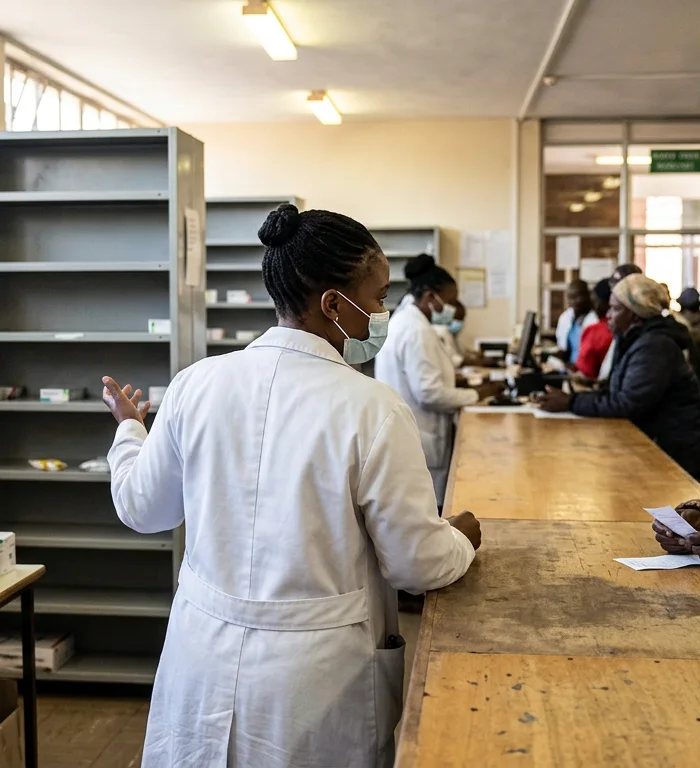
Public healthcare facilities across South Africa are experiencing a systemic shortage of approximately 50 critical medicines, severely disrupting treatment for chronic and acute conditions. The supply deficit spans a broad spectrum of medical needs, including oncology, neurology, psychiatry, respiratory health, and infectious disease management. Patients are currently facing significant delays in accessing essential treatments for conditions such as epilepsy, schizophrenia, bipolar disorder, and tuberculosis.
Department of Health is attempting to mitigate the crisis by sourcing therapeutic alternatives and issuing special authorizations for the emergency importation of restricted drugs. Despite these efforts, internal reports indicate that the rate of new shortages is outpacing the resolution of existing supply gaps. This instability is placing extreme pressure on already overstretched public clinics and hospitals, which serve as the primary point of care for the country's most vulnerable populations.
These internal issues are compounded by global supply
Regional health authorities have identified a combination of domestic and international factors driving the crisis. Domestic challenges include manufacturing bottlenecks, regulatory delays, and significant backlogs in customs and medicine testing. These internal issues are compounded by global supply chain instability, particularly the ongoing conflict in the Middle East, which has disrupted critical shipping and air-cargo routes.
These logistical disruptions have specifically impacted the distribution of generic medicines and pharmaceutical ingredients from major suppliers in Asia. The resulting increase in freight costs and extended delivery timelines has left countries with limited stock reserves, such as South Africa, highly susceptible to prolonged supply failures. Policymakers are now facing increased pressure to implement structural interventions to stabilize the pharmaceutical supply chain and prevent further degradation of public health outcomes.
More stories
- Dietitians advise small swaps for plant-based eating
- TikTok dementia videos mislead in 66.4% of sample, researchers say
- Aberdeen Royal Infirmary faces police inquiry call over 19 deaths
- Bariatric surgery group loses 28.2% after GLP-1 use
- TOFA boosts mouse energy use 18% while preserving muscle
- ICO probes NHS therapy notes accessible to up to 140,000 staff
Latest news
- David Parr House to honor Victorian art-workman with blue plaque
- Iran's attacks hit 25 tankers near Strait of Hormuz
- FCC approves prison cellphone jamming despite 2.5-mile warning
- Russia strikes Ukraine as Odesa faces electricity strain
- Bahrain reports two injuries after Iranian aerial attacks
- Congress tests Black Democrats' growing policy influence
- Baltic responders fight Sparta II fire after drone strike
- Europe faces attribution gap after 16 cyber, physical incidents